

Last Updated on June 28, 2026 by Eric B. Steele
Struggling with a backpack that feels uncomfortable or leaves your shoulders sore? You’re not alone.
How you fit your backpack can make all the difference between a smooth, pain-free day and constant discomfort. Imagine carrying your gear with ease, feeling balanced and supported every step of the way. In this guide, you’ll discover simple, practical tips to adjust your backpack perfectly for your body.
Keep reading, and you’ll learn how to make your backpack work for you—not against you.
Credit: pangolinswithpacks.com
Choosing The Right Backpack
Picking the right backpack is key for comfort and convenience. Your backpack should fit your body and hold all your gear.
Learn how to choose the proper size and consider weight and capacity for a good fit.
Selecting The Proper Size
A backpack that fits well feels comfortable and supports your back. The size depends on your torso length and hip size.
- Measure your torso from the base of your neck to your waist.
- Check the hip belt size to match your hips, not your waist.
- Choose a backpack with adjustable straps for a custom fit.
- Try the backpack on with weight to see how it feels.
Considering Weight And Capacity
Think about how much weight you will carry. Too much weight can hurt your back and shoulders.
| Backpack Size | Capacity (Liters) | Use Case |
| Small | 20-35 L | Day trips, light loads |
| Medium | 35-50 L | Weekend trips, moderate loads |
| Large | 50-70 L | Long trips, heavy loads |
Keep the total weight under 20% of your body weight. Pack only what you need to avoid strain.
Adjusting Shoulder Straps
Adjusting shoulder straps is key to a comfortable backpack fit. It helps distribute weight evenly.
Proper adjustments prevent strain and enhance your hiking or travel experience.
Positioning For Even Weight Distribution
When adjusting straps, aim for even weight across your shoulders. This reduces fatigue and discomfort.
- Loosen all straps before putting on the backpack.
- Position the backpack so it sits comfortably on your back.
- Tighten the shoulder straps until the pack is snug but not too tight.
- Ensure the backpack is high on your back, with the bottom resting just above your hips.
Avoiding Shoulder Strain
Prevent shoulder strain by adjusting your backpack correctly. This step is crucial for long walks or hikes.
This angle helps pull the backpack closer to your body, reducing the stress on your shoulders.
| Strap | Purpose |
| Shoulder Straps | Support and distribute weight |
| Load Lifters | Adjust pack position |
| Chest Strap | Stabilize pack |
Securing The Hip Belt
The hip belt is a key part of fitting a backpack. It helps carry the weight on your hips.
Securing it correctly makes your hike more comfortable. It reduces strain on your shoulders.
Aligning With Hip Bones
Place the hip belt so it rests on your hip bones. This is just above your pelvis.
Make sure the belt wraps around the widest part of your hips. This helps support the pack’s weight.
- Find the top of your hip bones by feeling your sides
- Place the center of the hip belt over these bones
- Adjust the belt so it sits evenly on both sides
Transferring Weight Effectively
Tighten the hip belt snugly but not too tight. It should hold the pack’s weight from your hips.
This shifts the load from your shoulders to your hips. It helps you carry the backpack longer.
- Pull the straps forward to tighten the belt
- Check that the pack feels balanced and stable
- Adjust the belt if you feel pressure on your lower back

Credit: us.alpkit.com
Fine-tuning Fit And Comfort
Adjusting your backpack correctly helps you carry weight easily. A good fit keeps you comfortable on long walks.
Small changes can make a big difference in how the backpack feels. Focus on straps and balance for the best fit.
Using Load Lifters And Sternum Straps
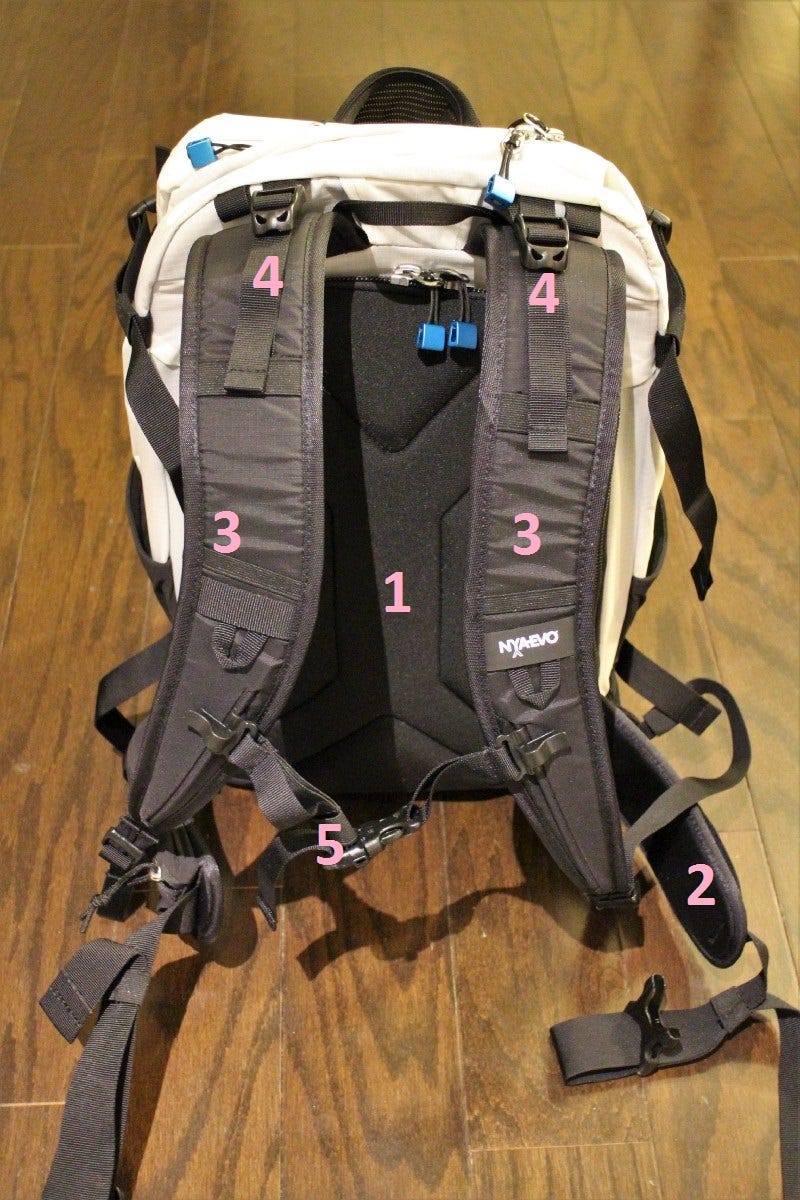
Load lifters are straps near your shoulders. They pull the backpack closer to your body to reduce strain.
The sternum strap connects shoulder straps across your chest. It keeps straps from slipping and improves stability.
- Tighten load lifters until the pack feels snug on your back.
- Adjust the sternum strap so it rests comfortably across your chest.
- Check that both straps do not restrict breathing or arm movement.
Checking Mobility And Balance
After adjusting straps, move your arms and bend your body. This tests if the pack moves well with you.
Good balance means the pack weight stays centered. This prevents you from leaning forward or sideways.
- Walk around and swing your arms to check freedom of movement.
- Feel if the backpack stays steady on your back without shifting.
- Make small strap adjustments to improve balance and comfort.
Credit: pangolinswithpacks.com
Frequently Asked Questions
How Do I Adjust Backpack Straps For Comfort?
Loosen all straps first. Tighten shoulder straps until the pack feels snug but not tight.
Where Should The Backpack Sit On My Back?
The bottom of the backpack should rest at your hip level for balance and comfort.
How Tight Should The Hip Belt Be On A Backpack?
Buckle the hip belt and tighten it so it feels firm but not painful around your hips.
Why Is Backpack Weight Distribution Important?
Even weight reduces strain on your back and shoulders, making carrying easier and safer.
How Can I Check If My Backpack Fits Correctly?
Walk around with the pack. It should not sway or pull on your shoulders.
What Is The Best Way To Pack For A Balanced Backpack?
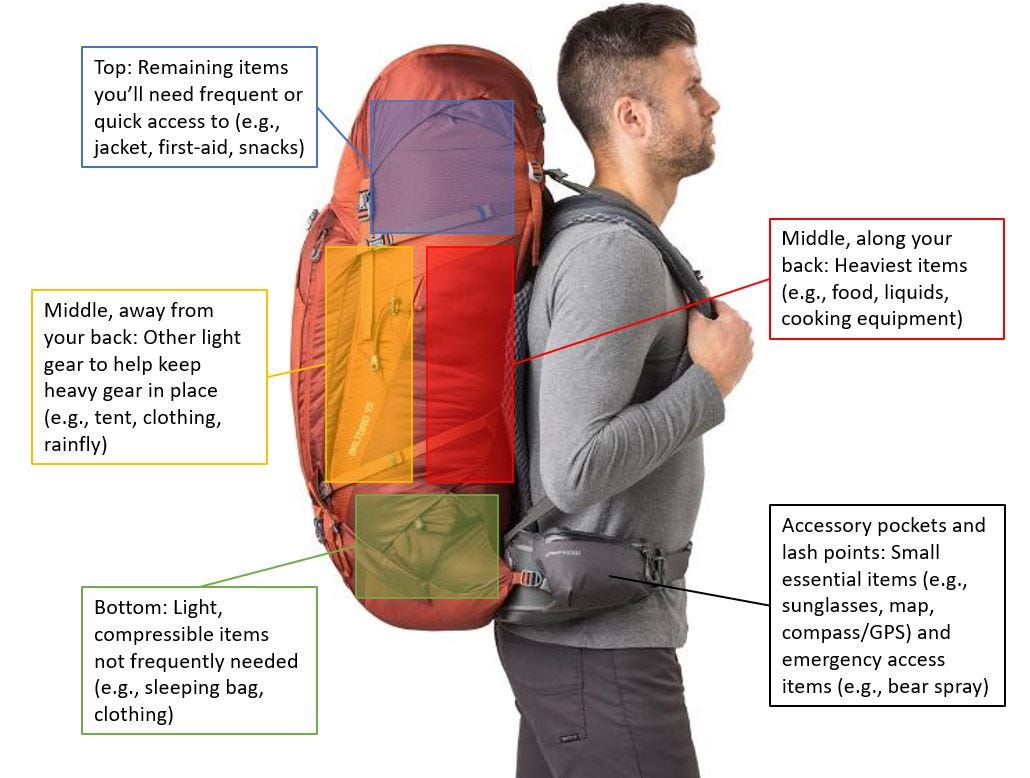
Place heavy items close to your back and in the middle to keep weight centered.
Conclusion
Fitting a backpack well makes your journey easier and more comfortable. Adjust straps step by step to spread the weight evenly. Keep the pack close to your back to avoid strain. Check the fit often, especially on long walks. A good fit helps prevent pain and keeps you balanced.
Take your time to find the right settings. Your body will thank you on every trip. Simple steps can make a big difference in comfort. Happy hiking with a properly fitted backpack!