

Last Updated on June 28, 2026 by Eric B. Steele
Are your backpack straps loose and sliding off your shoulders? It’s frustrating when your bag doesn’t fit right, making every step uncomfortable.
You might think tightening them is tricky, but it’s easier than you expect. In this guide, you’ll discover simple, quick ways to adjust your backpack straps so your bag feels secure and comfortable all day long. Keep reading to learn the exact steps that will make your backpack fit perfectly every time.
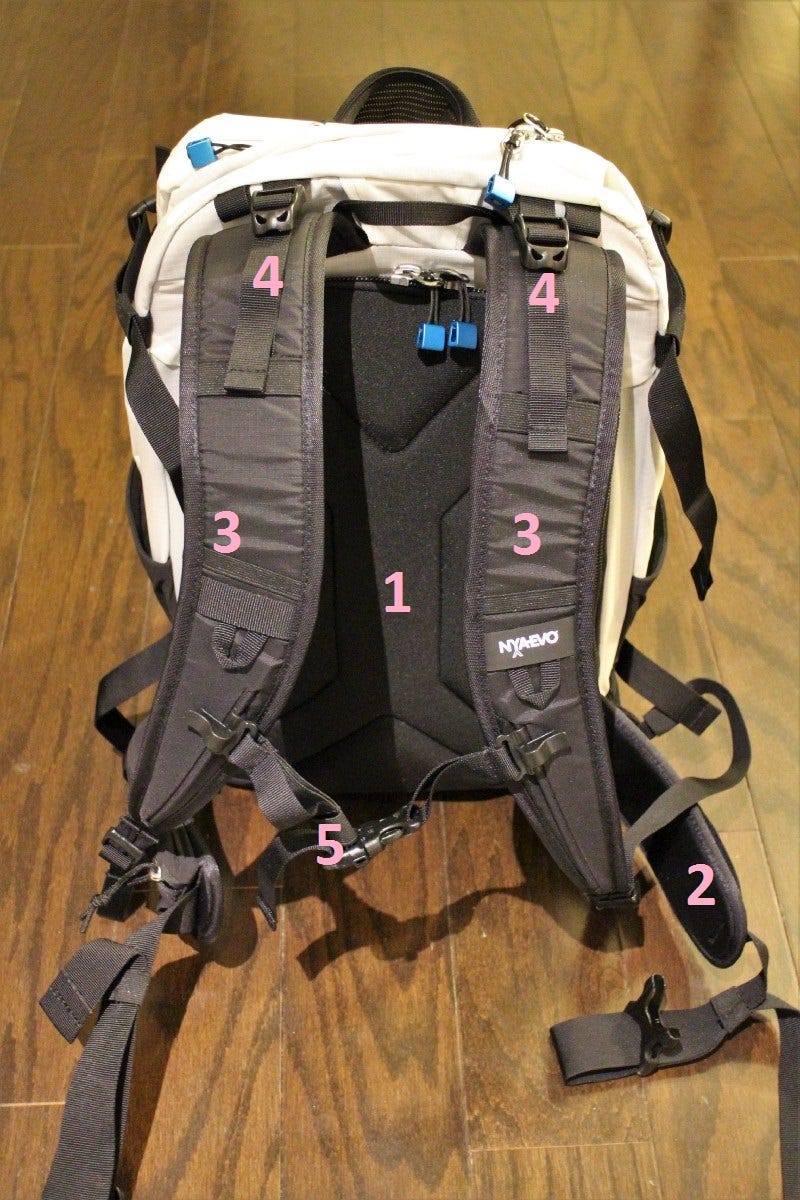
Credit: pangolinswithpacks.com
Choosing The Right Backpack
Selecting the right backpack helps you carry your things comfortably. The right fit makes tightening straps easier.
A well-chosen backpack supports your back and balances weight. This reduces strain during use.
Pick The Correct Size
Choose a backpack size that fits your body frame. A bag that is too big or small is hard to adjust.
Look for backpacks that match your torso length. This helps keep the weight close to your body.
- Small backpacks suit children and short adults
- Medium backpacks fit most teenagers and adults
- Large backpacks work for tall people or heavy loads
Choose Adjustable Straps
Check that the backpack has adjustable shoulder straps. These allow you to tighten or loosen the fit.
Look for padded straps for extra comfort. Thick straps reduce pressure on your shoulders.
- Wide straps spread weight evenly
- Straps with loops help secure loose ends
- Adjustable buckles should move smoothly
Consider Support Features
Backpacks with chest and waist straps give extra support. These straps help keep the backpack stable.
Look for backpacks with padded back panels. They add comfort and help keep the bag close to your body.
- Chest straps prevent shoulder straps from slipping
- Waist straps shift weight from shoulders to hips
- Padded backs reduce pressure points on your spine
Adjusting Shoulder Straps
Properly adjusting your backpack straps is important for comfort. It helps distribute weight evenly across your shoulders.
Let’s focus on tightening the shoulder straps for a better fit. This will make carrying your backpack easier.
Locating Adjustment Points
Find the adjustment points on your backpack. These are usually near the top of the shoulder straps.
Look for plastic buckles or sliders. They allow you to change the length of the straps.
- Check both straps for sliders.
- Make sure they move easily.
- Ensure they are not twisted.
Pulling Straps Evenly
Pull both straps at the same time. This keeps the backpack centered on your back.
Use gentle, steady force. This ensures an even adjustment and prevents discomfort.
- Hold the bottom of each strap.
- Pull downwards evenly.
- Check the fit and adjust if needed.
Securing Chest And Waist Straps
Tightening the chest and waist straps helps keep the backpack stable. It reduces strain on your shoulders and back. Proper strap adjustment improves comfort during long walks or hikes.
Follow simple steps to position and tighten these straps correctly. This guide covers how to adjust both chest and waist straps for a snug fit.
Positioning The Chest Strap
The chest strap should sit across your chest, not your neck. It helps keep the shoulder straps close and prevents them from slipping off. Adjust the height and tightness for comfort and support.
- Buckle the chest strap at mid-chest level.
- Slide the strap up or down to find the most comfortable spot.
- Tighten the strap until it feels snug but does not restrict breathing.
- Make sure the strap lies flat against your chest without twisting.
Tightening The Waist Belt
The waist belt supports most of the backpack’s weight. Place it just above your hips and pull the straps firmly to tighten. This reduces pressure on your shoulders and balances the load.
| Step | Action | Tip |
|---|---|---|
| 1 | Fasten the waist belt buckle around your hips. | Make sure it sits on your hip bones, not your waist. |
| 2 | Pull both ends of the strap forward to tighten. | Adjust until the belt feels firm but comfortable. |
| 3 | Check that the backpack feels balanced and stable. | Re-tighten if it shifts or feels loose during movement. |

Credit: pangolinswithpacks.com
Tips For Maintaining Strap Tightness
Keeping backpack straps tight helps you carry weight comfortably. Loose straps can cause pain and make your backpack unstable.
Check your straps often and use simple tricks to stop them from slipping. These tips will help your backpack stay secure all day.
Regular Checks During Use
Look at your straps during your walk or hike. Make sure they feel snug but not too tight. Adjust if they start to loosen.
- Stop and pull the straps to tighten them.
- Check the buckles for any damage or wear.
- Make sure the straps are flat and not twisted.
- Test the fit by moving your arms and shoulders.
- Readjust if you feel any slipping or discomfort.
Preventing Strap Slippage
Strap slippage happens when the webbing or buckles do not hold well. Use these tips to keep straps from sliding loose.
| Method | Description |
| Secure the Buckles | Push the buckle firmly to lock the strap in place. |
| Use Friction Pads | Add rubber or silicone pads under straps to increase grip. |
| Double Back Straps | Loop the strap back through the buckle to tighten hold. |
| Replace Worn Parts | Change old straps or buckles that lose grip over time. |
| Keep Straps Clean | Remove dirt and dust that reduce friction on straps. |

Credit: www.wikihow.com
Frequently Asked Questions
How Do I Tighten Backpack Straps Properly?
Pull the strap ends down and away from the backpack to make them snug.
Why Are My Backpack Straps Loose After Tightening?
Straps may slip if buckles are worn or straps are overloaded.
Can Tight Backpack Straps Cause Discomfort?
Yes, too tight straps can hurt your shoulders and back.
How Often Should I Adjust My Backpack Straps?
Adjust straps each time you put on your backpack for comfort.
What Tools Help Tighten Backpack Straps Better?
No tools needed—hand tightening works best for most backpacks.
How To Fix Backpack Straps That Won’t Stay Tight?
Check for damage or dirt in buckles and clean or replace them.
Conclusion
Tightening backpack straps makes carrying loads easier and more comfortable. Start by adjusting the shoulder straps evenly on both sides. Pull the straps firmly but avoid over-tightening to prevent discomfort. Check the fit often during use and adjust as needed.
Remember, a well-fitted backpack helps protect your back and shoulders. Simple steps can improve your hiking or daily travel experience. Practice these tips for a better, safer carry every time.