

Last Updated on June 28, 2026 by Eric B. Steele
Packing a backpack for hiking might seem simple, but doing it the right way can make your trip much easier and more enjoyable. Imagine reaching your destination feeling light, organized, and ready for anything.
You want to avoid digging through a mess of gear or struggling with a heavy load that slows you down. In this guide, you’ll learn exactly how to pack your backpack so every item has its place, your weight is balanced, and your hike feels smooth from start to finish.
Keep reading, and discover the simple steps that will change how you hike forever.

Credit: www.sport-conrad.com
Choosing The Right Backpack
Picking the right backpack makes hiking safer and more fun. A good backpack fits your needs and body well.
Learn about sizes, features, and how to fit your backpack properly to prepare for your hike.
Backpack Sizes And Types
Backpacks come in many sizes and types for different hiking needs. Choose one based on your trip length and gear.
| Backpack Size | Capacity (Liters) | Use |
| Daypack | 15-30 | Short hikes, light gear |
| Weekend | 30-50 | 1-3 day trips |
| Multi-day | 50-70 | Long hikes, more gear |
| Expedition | 70+ | Extended trips, heavy loads |
Features To Look For
A good backpack has features that help carry gear comfortably and keep it safe. Look for these important features.
- Padded shoulder straps for comfort
- Adjustable hip belt to balance weight
- Multiple compartments for organization
- Water-resistant material or rain cover
- Ventilation system to reduce sweat
- Attachment points for gear like trekking poles
Fitting Your Backpack Properly
A well-fitted backpack reduces strain and pain during hikes. Adjust your pack to match your body size and shape.
- Put on the backpack and fasten the hip belt on your hips
- Tighten the shoulder straps until snug but not tight
- Adjust the load lifters at the top of the straps
- Use the sternum strap to stabilize the pack
- Walk around and make small adjustments for comfort
Credit: pangolinswithpacks.com
Essential Gear And Supplies
Packing your backpack for hiking is an important task. It ensures you have everything needed for a safe and enjoyable trip.
Let’s explore what essential gear and supplies you need to include. This will help you prepare for your adventure.
Clothing And Footwear
Wear comfortable clothing that suits the weather. Layering is key for warmth and flexibility.
Choose sturdy hiking boots for better support. They protect your feet on rough trails.
- Lightweight jacket for rain
- Moisture-wicking shirts
- Convertible pants
- Wool socks
Food And Hydration
Pack enough food to keep your energy up. Snacks are important for quick energy boosts.
Hydration is crucial. Carry a water bottle and a filter if needed.
- Trail mix and energy bars
- Sandwiches for lunch
- Reusable water bottle
- Portable water filter
Navigation And Safety Tools
Carrying navigation tools keeps you on the right path. Safety gear is necessary for emergencies.
Maps and compasses are reliable even when electronics fail.
- Map of the area
- Compass
- First aid kit
- Whistle for emergencies
Packing Strategies
Packing a backpack for hiking needs careful planning. The right method makes your trip easier and safer.
Good packing saves space and balances weight. This helps you walk longer without strain.
Weight Distribution Techniques
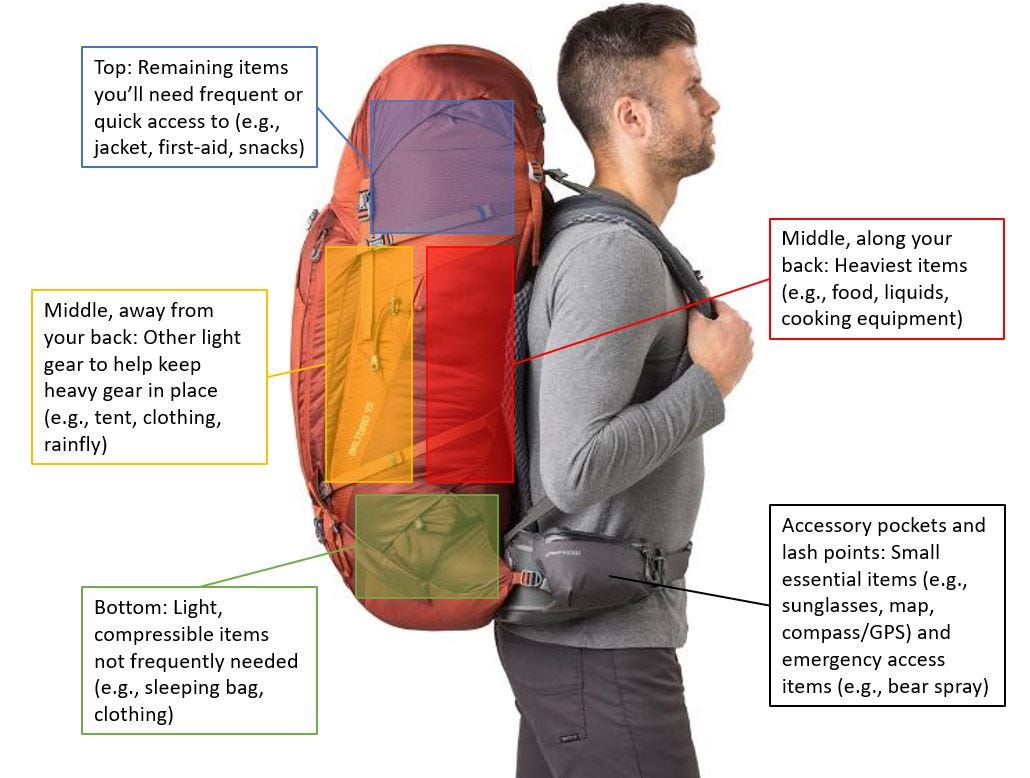
Keep the heaviest items close to your back and near the middle of the pack. This keeps your center of gravity stable.
Place medium-weight items around the heavy core. Light items go at the top and outer pockets.
- Pack heavy gear like food and water near your spine.
- Put medium items such as clothes around the heavy load.
- Keep light items like rain gear on top or outside pockets.
- Distribute weight evenly on both sides to avoid imbalance.
Organizing Gear Efficiently
Group items by use and size to find them quickly. Keep daily use items at the top or in side pockets.
| Gear Type | Where to Pack | Reason |
| Cooking tools | Bottom or outside | Heavy and bulky |
| Clothing | Middle or top | Medium weight, easy access |
| First aid kit | Top or side pocket | Quick access |
| Food and water | Close to back | Balance and weight |
Using Compression And Packing Cubes
Compression bags reduce the size of bulky clothes and sleeping bags. Packing cubes keep small items tidy and easy to find.
- Use compression bags for bulky items to save space.
- Sort clothes and gear by type in packing cubes.
- Label cubes or use color coding for quick identification.
- Keep frequently used cubes near the top of the pack.
Final Checks And Tips
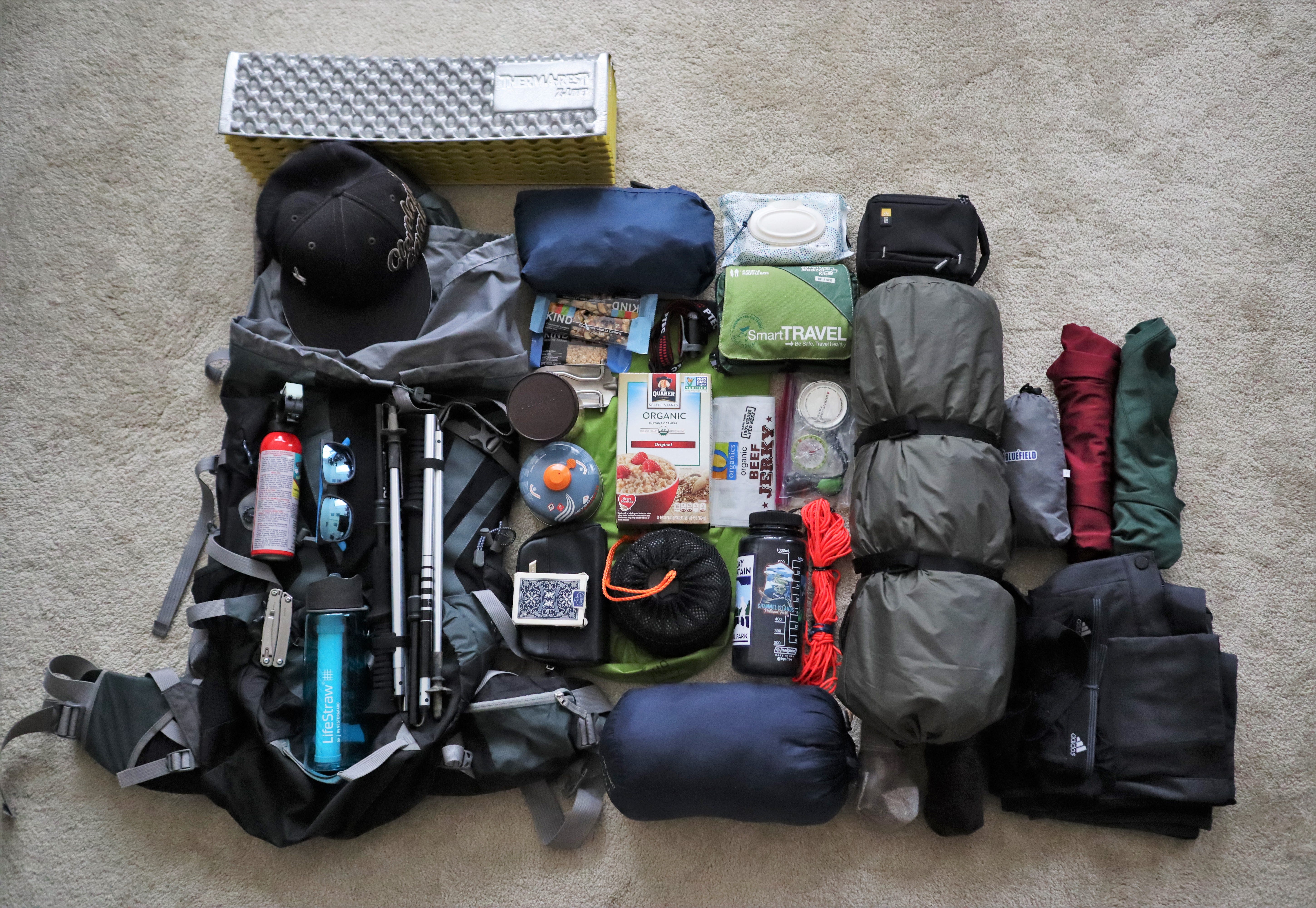
Packing your backpack for hiking takes more than just stuffing items inside. Final checks help you stay comfortable and safe on the trail.
These tips focus on how to balance weight, adjust straps, and prepare for weather changes.
Balancing Comfort And Accessibility
Put heavy items close to your back and near the middle of the pack. This helps keep your balance and reduces strain.
- Place your sleeping bag at the bottom of the pack.
- Keep frequently used items like snacks and maps near the top or side pockets.
- Distribute weight evenly to avoid pulling to one side.
- Use smaller bags inside your backpack to organize gear.
Adjusting Straps And Load
Adjust your backpack straps before starting your hike. Proper fit helps prevent discomfort and injury.
| Strap | How to Adjust |
| Shoulder Straps | Snug but not tight, hold the pack close to your body |
| Hip Belt | Fasten around hips, carry most of the weight here |
| Load Lifters | Tighten to pull pack weight forward and up |
| Chest Strap | Secure to stabilize shoulder straps and improve balance |
Preparing For Different Weather Conditions
Pack for the weather you expect but be ready for surprises. Layering helps you adapt to changes.
- Carry a waterproof jacket in case of rain.
- Bring extra warm clothing for cold nights.
- Use breathable fabrics to stay dry in hot weather.
- Store electronics and important items in waterproof bags.
Credit: pangolinswithpacks.com
Frequently Asked Questions
What Is The Best Way To Organize Hiking Gear In A Backpack?
Pack heavy items close to your back and center for balance and comfort.
How Should I Pack Clothes In My Hiking Backpack?
Roll clothes tightly to save space and place them in dry bags to keep dry.
Where Do I Put Food And Water In My Backpack?
Store food in easy-to-reach pockets and keep water bottles on the sides.
How Much Weight Should I Carry In My Hiking Backpack?
Limit your pack to 20-25% of your body weight to avoid strain.
What Essential Items Must Be Packed For A Hiking Trip?
Include first aid, navigation tools, weather gear, food, water, and a flashlight.
How Can I Keep My Backpack Balanced While Hiking?
Distribute weight evenly and adjust straps to keep the pack snug and stable.
Conclusion
Packing a backpack for hiking takes some planning and care. Keep heavy items close to your back for balance. Use compartments to organize gear and find things fast. Don’t overload your pack; carry only what you really need. Test your pack before the hike to ensure comfort.
A well-packed backpack makes your hike safer and more fun. Enjoy the trail with less stress and more energy. Happy hiking!