

Last Updated on August 2, 2026 by Eric B. Steele
Are you ready to hit the trails but unsure how to pack your hiking backpack the right way? Packing your backpack properly can make the difference between a comfortable hike and a painful one.
Imagine feeling balanced, light, and prepared every step of the way—without struggling under a heavy, awkward load. In this guide, you’ll discover simple tips and smart tricks to organize your gear efficiently, so your backpack works with you, not against you.
Keep reading to learn how to pack like a pro and make your next hike more enjoyable from start to finish.
Credit: www.myogtutorials.com
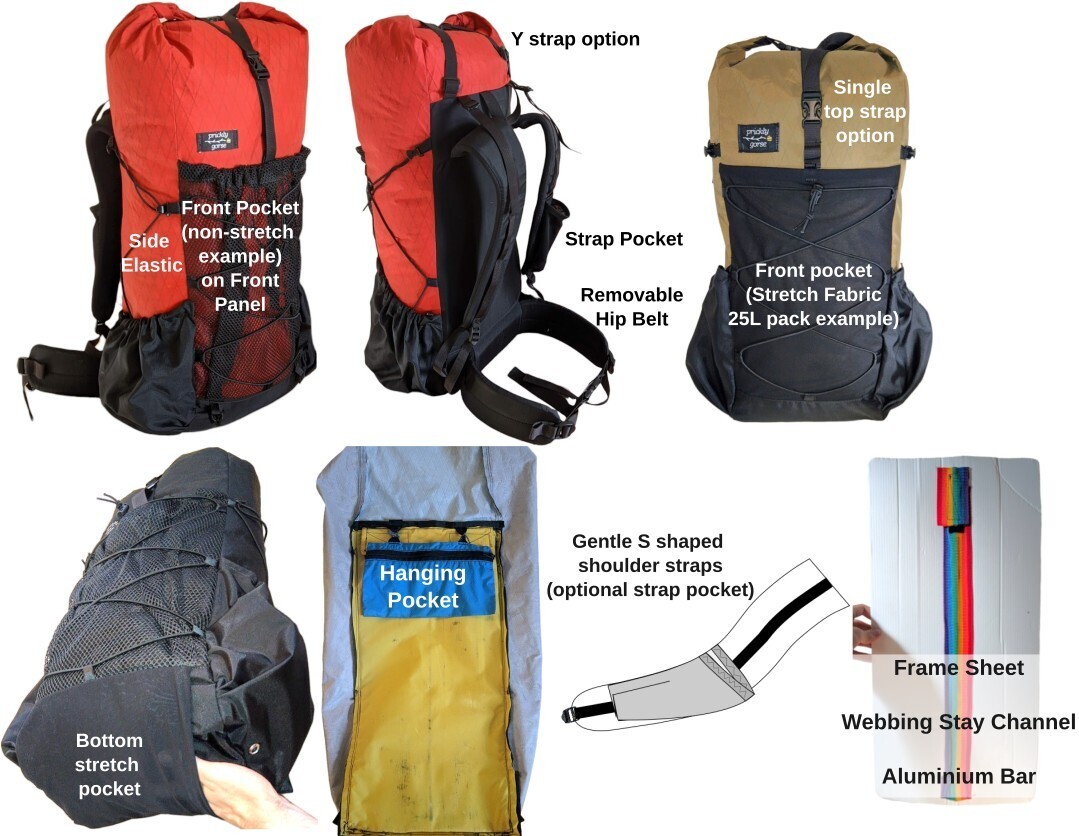
Choosing The Right Backpack
Picking the right backpack is key for a good hiking trip. The right pack holds your gear and fits your body well.
Think about size, comfort, and features before buying. A good backpack makes carrying easier.
Backpack Sizes And Capacities
Backpacks come in many sizes. Choose one that fits your trip length and gear.
Small packs hold 20-35 liters. They work for day hikes. Medium packs hold 40-60 liters. Use them for overnight trips. Large packs hold 65+ liters for long hikes with more gear.
- 20-35L: Day hikes and light loads
- 40-60L: Overnight or weekend trips
- 65L+: Multi-day trips or heavy gear
Features To Look For
Look for features that help you stay organized and comfortable. Pockets and compartments keep things tidy.
Waterproof material protects your gear. Padded straps reduce shoulder pain. A hip belt carries weight from your shoulders to hips.
- Multiple pockets and compartments
- Water-resistant or waterproof fabric
- Padded shoulder straps and back panel
- Hip and chest belts for weight distribution
- Attachment points for gear
Adjusting For Fit And Comfort
Fit is important for comfort. Adjust straps so the pack sits snugly on your back.
Hip belts should rest on your hips, not your waist. Shoulder straps should hold the pack close but not dig in.
- Tighten hip belt to carry most weight
- Adjust shoulder straps for a close fit
- Use chest strap to keep shoulder straps stable
- Check for even weight distribution
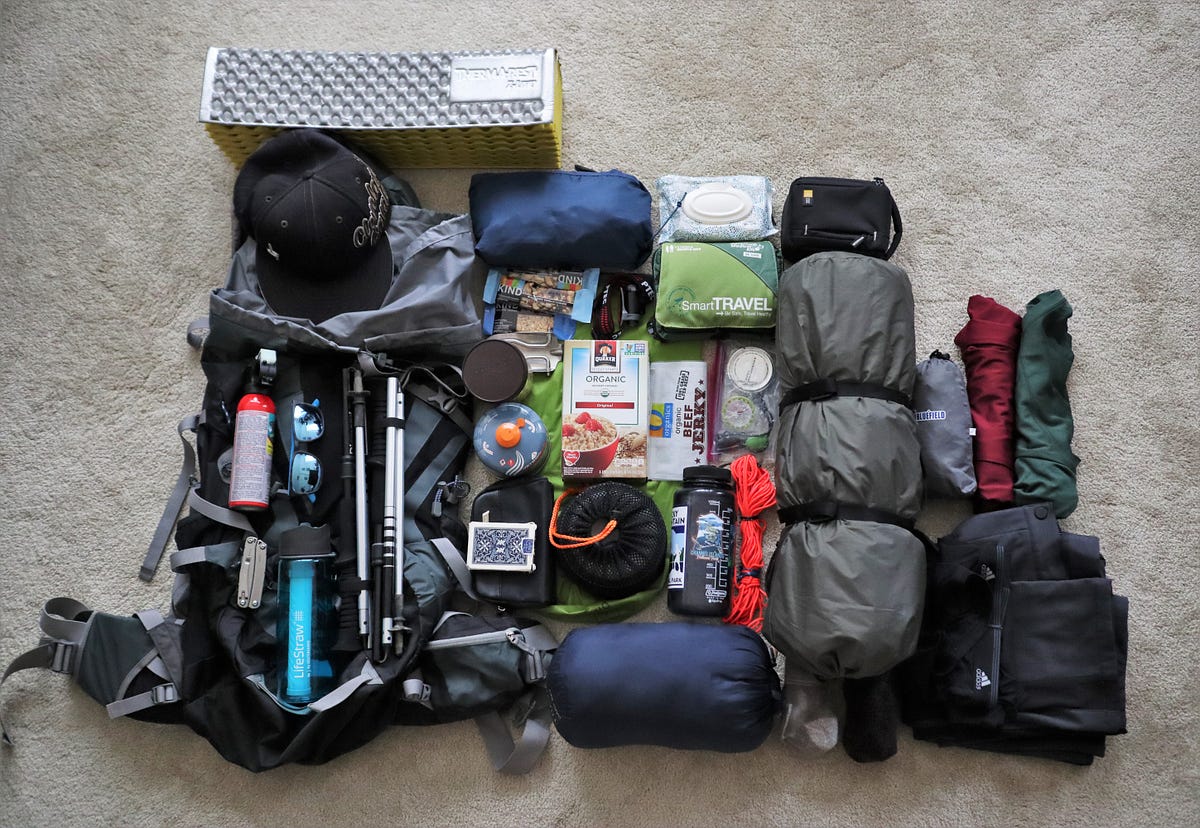
Essential Gear And Packing List
Packing a hiking backpack is a skill every adventurer should know. A well-packed backpack makes your journey comfortable and enjoyable. Let’s explore the essentials you need to carry.
Understanding how to distribute weight and pack for different seasons is important. This guide will help you prepare for your next hike.
Must-have Items
Some items are essential for every hike. These ensure safety and comfort while you explore the great outdoors.
- Backpack with a capacity suitable for your trip
- First aid kit for emergencies
- Map and compass for navigation
- Multi-tool for various needs
- Water bottle or hydration system
- High-energy snacks for fuel
- Weather-appropriate clothing
Weight Distribution Tips
Proper weight distribution helps in maintaining balance. It also prevents back strain during long hikes.
- Place heavier items close to your back
- Keep lighter items at the top
- Distribute weight evenly on both sides
- Use compression straps to stabilize load
Seasonal Considerations
Seasons affect what you need to pack. Adjust your gear for different weather conditions.
- Winter: Add extra layers and insulated gear
- Summer: Pack sunscreen and a hat
- Rainy season: Include a rain cover for your backpack
- Spring and Fall: Layer clothing for changing temperatures
Packing Techniques For Balance
Packing a hiking backpack well helps you walk comfortably. Balanced weight stops you from getting tired fast. Proper packing also keeps your gear safe and easy to reach.
This guide shows simple ways to pack your backpack to keep balance and comfort on your hike.
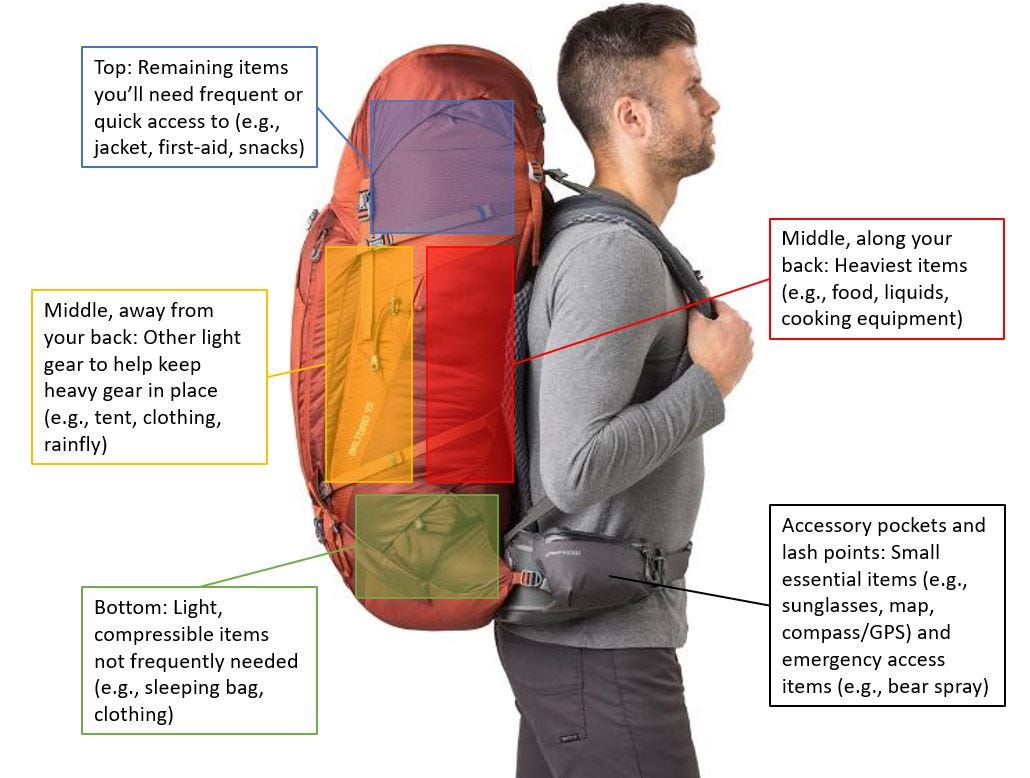
Layering Heavy Items
Put heavy items close to your back and near the middle of the pack. This keeps your center of gravity steady. Put lighter items at the top and outside parts of the backpack.
- Place water and food containers near your spine.
- Keep sleeping bags and clothes at the bottom.
- Store small, light gear in outer pockets.
Using Compression Sacks
Compression sacks reduce space and keep items tight. They help keep your pack balanced by holding gear together.
| Item | Compression Tips |
| Sleeping Bag | Use a small compression sack to save space |
| Clothes | Roll tightly and compress to avoid bulk |
| Food | Seal in sacks to keep fresh and compact |
Securing Loose Gear
Loose gear can shift and unbalance your backpack. Use straps and pockets to keep all items in place.
- Attach trekking poles to side loops.
- Use gear loops for hanging tools like a hatchet.
- Place small items in zipped pockets to stop movement.
- Keep important items like maps easy to access.
Credit: pangolinswithpacks.com
Tips To Enhance Comfort On The Trail
Carrying a hiking backpack can be tough if it is not packed well. Comfort on the trail depends a lot on how you manage your load and adjust your gear.
These tips will help you keep your backpack comfortable and prevent pain during your hike.
Load Management Strategies
Distribute the weight inside your backpack to avoid strain on any part of your body. Keep heavy items close to your back and near your center of gravity.
- Place heavy gear like water and food near the middle of your back.
- Pack lighter items at the bottom and outer edges.
- Use compression straps to keep items tight and prevent shifting.
- Balance weight evenly on both sides of the pack.
- Keep frequently used items in easy-to-reach pockets.
Adjusting Straps On The Go
Straps should be checked and adjusted as you hike. This keeps your pack stable and reduces pressure points.
- Tighten the hip belt so it carries most of the weight.
- Adjust shoulder straps to pull the pack close to your body.
- Use the load lifters to pull the top of the pack toward your shoulders.
- Check sternum strap position to prevent the shoulder straps from sliding.
- Loosen straps if you feel pinching or discomfort.
Preventing Common Discomforts
Wear proper clothing and use padding to avoid chafing and soreness. Keep your skin dry and take breaks to relieve pressure.
| Discomfort | Cause | Prevention |
| Shoulder Pain | Tight shoulder straps or heavy load | Adjust straps, use padded straps |
| Lower Back Pain | Poor hip belt fit | Wear hip belt low on hips, tighten properly |
| Chafing | Rubbing skin and clothing | Wear moisture-wicking clothes, use anti-chafe balm |
| Numbness | Straps pressing nerves | Loosen straps, adjust pack position |
Credit: pangolinswithpacks.com
Frequently Asked Questions
How Do I Organize Items In A Hiking Backpack?
Place heavy items near your back and center for balance. Keep essentials on top for easy reach.
What Is The Best Way To Pack A Sleeping Bag?
Compress and place your sleeping bag at the bottom to support other gear.
How Can I Pack Food Safely For Hiking?
Use airtight containers and keep food in separate bags to avoid spills and smells.
Where Should I Keep Water Bottles In My Backpack?
Store water bottles on side pockets or near the top for quick access.
How Do I Pack Clothes For Different Weather Conditions?
Layer clothes in waterproof bags, keeping dry items separate from wet or dirty gear.
What Items Should Be Packed Last In A Hiking Backpack?
Pack items you need often, like maps and snacks, last for quick access.
Conclusion
Packing a hiking backpack well makes your trip easier and safer. Keep heavy items close to your back for balance. Use compartments to organize gear and find things fast. Remember to pack only what you need to avoid extra weight.
Check your backpack before you leave to make sure nothing is missing. A good pack means more comfort and less trouble on the trail. Take your time packing, and enjoy your hike!