

Last Updated on August 2, 2026 by Eric B. Steele
Have you ever wondered how heavy your hiking backpack should be? Carrying too much can tire you out quickly, while carrying too little might leave you unprepared.
Finding the right balance is key to enjoying your hike without pain or stress. You’ll discover simple tips to pack smart and carry just the right weight. Keep reading, and you’ll learn how to make your backpack work for you, not against you.
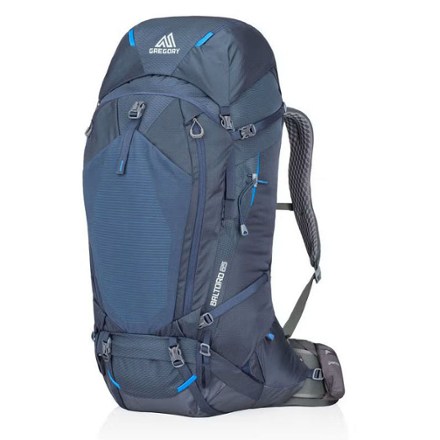
Credit: www.rei.com
Ideal Backpack Weight
Choosing the right backpack weight is key for a safe and fun hike. Carrying too much can cause pain and fatigue. Carrying too little might mean missing important gear.
Finding the ideal weight depends on many things. These include your body strength, the hike type, and the gear you need.
Factors Influencing Weight Limits
Several factors affect how heavy your backpack should be. These include your physical fitness and the trail conditions. Weather and trip duration also matter.
- Physical Strength:Stronger hikers can carry more weight comfortably.
- Trail Type:Rocky or steep trails require lighter loads for balance.
- Weather Conditions:Cold weather needs extra clothing and gear.
- Trip Duration:Longer trips need more supplies, increasing weight.
- Personal Comfort:Everyone feels weight differently; know your limits.
Weight Recommendations By Trip Length
The ideal backpack weight changes depending on how long your trip is. Use these guidelines to pack wisely for each hike length.
| Trip Length | Recommended Backpack Weight (% of Body Weight) | Notes |
|---|---|---|
| Day Hike | 5% – 10% | Light load with snacks, water, and basic gear |
| Overnight | 10% – 15% | Includes sleeping bag, clothes, and food for one night |
| Multi-Day | 15% – 25% | Extra food, camping gear, and supplies for several days |
| Extended Trips (1 week+) | 20% – 30% | More supplies and possibly heavier gear; pack carefully |
Body Weight And Backpack Load
Knowing how heavy your hiking backpack should be is important. It helps avoid back pain and makes hiking fun.
The weight of your backpack should depend on your body weight. It also depends on your fitness level.
Percentage Of Body Weight To Carry
Experts suggest carrying 20% of your body weight. This percentage is safe for most hikers.
For example, if you weigh 150 pounds, your backpack should be around 30 pounds. This helps maintain balance and comfort.
- Weigh 100 pounds: Carry up to 20 pounds
- Weigh 150 pounds: Carry up to 30 pounds
- Weigh 200 pounds: Carry up to 40 pounds
Adjusting Load For Fitness Levels
Fitness level is important when deciding backpack weight. Stronger hikers can carry more weight comfortably.
New hikers should carry less weight. This helps them build strength without injury.
| Fitness Level | Recommended Load |
| Beginner | 10-15% of body weight |
| Intermediate | 15-20% of body weight |
| Advanced | 20-25% of body weight |
Packing Strategies For Weight Management
Knowing how heavy your hiking backpack should be helps you carry it comfortably. Carrying less weight reduces tiredness and injury risk.
Smart packing choices keep your backpack light while bringing what you need. Focus on what matters most for your trip.
Essential Vs Non-essential Items
Separate your items into essentials and non-essentials. Essentials are things you must have for safety and comfort.
Non-essential items can add extra weight and may not be needed. Leave them behind to save weight.
- Essentials: water, food, first aid kit, map, weather gear
- Non-essentials: extra clothes, heavy books, unnecessary gadgets
Using Lightweight Gear
Choosing lightweight gear lowers your backpack’s total weight. Look for items made from light materials.
Lightweight gear still protects you and works well but weighs less. This helps you hike longer and with less effort.
- Use a lightweight tent or tarp instead of a heavy tent
- Choose a sleeping bag with light insulation suitable for conditions
- Pick a small, light stove and cookware
- Wear lightweight clothing that dries fast
Health Risks Of Overpacking
Carrying a heavy backpack on hikes can cause serious health problems. Overpacking adds stress to your muscles and joints.
It is important to know how heavy your hiking backpack should be to avoid injuries and discomfort.
Common Injuries From Heavy Loads
Heavy backpacks can cause many injuries. These often affect your back, shoulders, and knees.
- Lower back pain from poor weight distribution
- Shoulder strain due to tight or heavy straps
- Knee pain from added pressure on joints
- Neck pain caused by pulling on the spine
- Blisters or chafing from rubbing straps
Tips To Avoid Strain And Fatigue
Lighten your load to reduce strain. Pack only what you really need for your hike.
Use these tips to help avoid fatigue and pain while hiking with a backpack.
- Keep your backpack weight under 20% of your body weight
- Distribute weight evenly between shoulders and hips
- Use padded straps and hip belts for better support
- Adjust straps to fit your body snugly but comfortably
- Take regular breaks to rest and stretch
- Choose lightweight gear and pack smartly
Frequently Asked Questions
How Much Weight Can A Beginner Carry In A Hiking Backpack?
Beginners should carry no more than 10-15% of their body weight for comfort and safety.
What Is The Ideal Backpack Weight For A Day Hike?
A day hike backpack should weigh between 10-20 pounds, including water, food, and gear.
How To Calculate The Right Backpack Weight For A Multi-day Trip?
Aim for 20-25% of your body weight, balancing essentials and comfort on longer hikes.
Why Is Backpack Weight Important For Hiking Performance?
Heavy backpacks cause fatigue, slow you down, and increase injury risk during hikes.
Can Carrying Too Much Weight Affect Hiking Endurance?
Yes, extra weight reduces stamina and makes hiking more tiring and less enjoyable.
What Gear Is Essential To Keep Backpack Weight Low?
Prioritize lightweight gear like compact tents, minimal clothes, and multipurpose tools to reduce weight.
Conclusion
Choosing the right backpack weight keeps your hike safe and fun. Carry only what you truly need. Too heavy a pack tires you quickly. Too light might leave you unprepared. Balance comfort with essentials for best results. Remember, your body knows its limit.
Stay mindful and adjust as you go. Enjoy every step without pain or strain. Happy hiking!