

Last Updated on July 4, 2026 by Eric B. Steele
Packing your backpack might seem simple, but doing it the right way can make all the difference in your comfort and convenience. Imagine reaching your destination without digging through a messy bag or feeling weighed down by poorly packed gear.
You want to carry everything you need without the extra hassle. In this guide, you’ll discover easy and effective tips to pack your backpack smartly, so every item has its place and every step feels lighter. Ready to transform how you pack?
Let’s dive in.
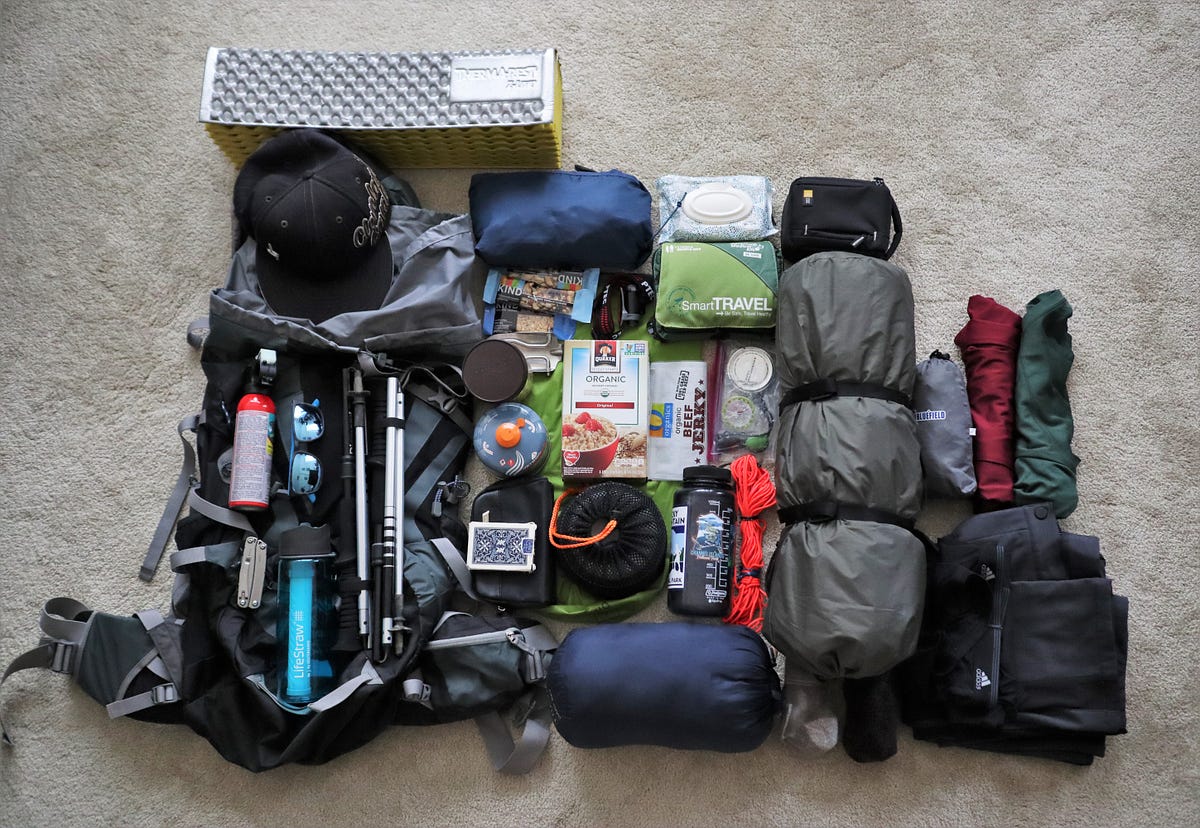
Credit: pangolinswithpacks.com
Choosing The Right Backpack
Packing a backpack starts with picking the right bag. Your backpack affects how much you can carry.
The right backpack makes your trip easier and more comfortable. Think about your needs first.
Size And Capacity
Pick a backpack size that fits your trip length. Small bags work for day trips.
Bigger backpacks hold more for longer trips. Avoid bags that are too large or too small.
- 20-30 liters for day trips
- 30-50 liters for weekend trips
- 50+ liters for long journeys
Comfort And Support
Your backpack should feel good on your back. Look for padded straps and back panels.
A waist belt helps spread weight and reduces shoulder strain. Adjustable straps improve fit.
- Padded shoulder straps
- Breathable back padding
- Adjustable waist and chest straps
Durability And Material
Choose backpacks made from tough materials. They resist tears and water damage.
Nylon and polyester are common durable fabrics. Check for water-resistant coatings if you expect rain.
- Ripstop nylon for strength
- Polyester for water resistance
- Reinforced stitching at stress points
Credit: pangolinswithpacks.com
Organizing Your Gear
Packing a backpack is an important skill for any traveler. Proper organization makes it easy to find items and carry your load.
Good packing helps balance the weight and protect your belongings. Here are some tips on how to organize your gear efficiently.
Packing Cubes And Compartments
Packing cubes help organize clothes and other items. They keep your gear neat and prevent it from shifting.
Use different compartments for specific items. For example, use side pockets for water bottles or snacks.
- Use packing cubes for clothes
- Store small items in zippered pockets
- Keep important items in easy-to-reach spots
Weight Distribution
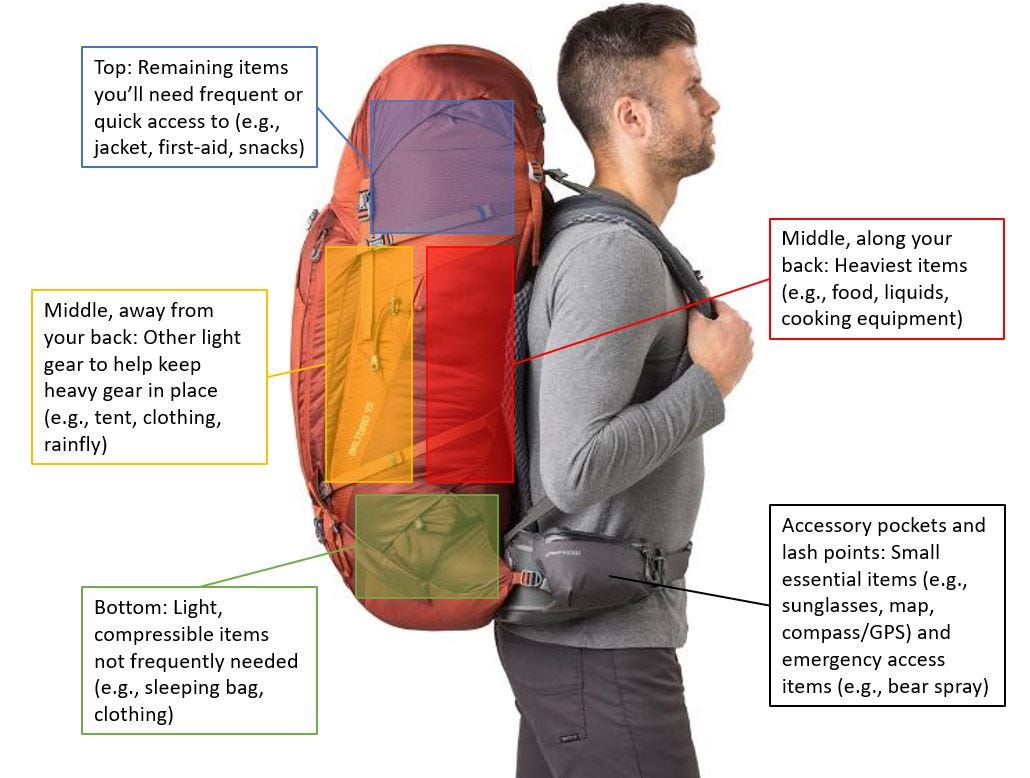
Balance the weight in your backpack for comfort. Heavy items should be close to your back and centered.
Keep lighter items at the top or outer parts of the pack. This helps maintain balance while walking.
- Place heavy items in the middle, near your back
- Keep light items on top
- Distribute weight evenly on both sides
Essential Items To Include
Pack essential items first to ensure you have everything you need. These items are crucial for a successful trip.
Make a list of essentials based on your destination and activities. This helps avoid forgetting important gear.
- First aid kit
- Water bottle
- Map or guidebook
- Snacks and meals
- Weather-appropriate clothing
Maximizing Space
Packing a backpack can be tricky if you want to save space. Using smart methods helps fit more items. It also keeps your gear organized.
We will look at three ways to pack efficiently: rolling or folding clothes, using compression bags, and minimizing bulk.
Rolling Vs. Folding Clothes
Rolling clothes can save more space than folding. It also reduces wrinkles. Folding works better for thick items like sweaters.
- Roll t-shirts, pants, and light shirts tightly.
- Fold bulky clothes flat to avoid extra bulk.
- Use packing cubes to keep rolls and folds neat.
- Place rolled clothes at the bottom or sides of the bag.
Using Compression Bags
Compression bags reduce the size of soft items by squeezing out air. This method saves a lot of space. It works well for clothes and sleeping bags.
| Type | Use | Benefit |
| Manual Compression Bags | Press air out by hand | Easy and quick |
| Vacuum Compression Bags | Use vacuum to remove air | Maximum space saving |
| Reusable Compression Bags | Use zipper and valve system | Good for multiple trips |
Minimizing Bulk
Removing or reducing bulky items frees up space. Choose lightweight and compact gear. Avoid packing duplicates.
Tips to minimize bulk:
- Wear your heaviest shoes and jacket during travel.
- Use travel-size bottles for toiletries.
- Pick multipurpose items like a scarf that can be a blanket.
- Plan outfits to reuse clothes.
Packing Smart For Different Trips
Packing your backpack correctly saves time and stress. Different trips need different items. You should plan based on how long you will be away.
Think about what you really need. Carry only essentials to keep your backpack light and useful.
Day Trips Vs. Long Journeys
For day trips, pack light and simple. Bring snacks, water, and a small first-aid kit. Long journeys require more planning and more items.
- Day Trips: Pack water, food, sunscreen, and a map.
- Long Journeys: Add clothing layers, cooking gear, and extra batteries.
- Check your gear before leaving to avoid missing anything.
Weather Considerations
Weather changes affect what you should carry. Rain, sun, or cold weather each need different gear.
| Weather | Must-Have Items |
| Rainy | Raincoat, waterproof bag covers, quick-dry clothes |
| Sunny | Hat, sunglasses, sunscreen, light clothing |
| Cold | Thermal layers, gloves, warm hat, insulated jacket |
Safety And Accessibility
Keep important items easy to reach. This helps in emergencies and saves time.
- Place your first-aid kit and flashlight in outer pockets.
- Store your phone and map where you can grab them fast.
- Keep heavy items close to your back for balance.

Credit: www.sport-conrad.com
Frequently Asked Questions
How Do I Organize Items In My Backpack Efficiently?
Start with heavy items close to your back and lighter ones toward the outside. Use compartments for small stuff.
What Essentials Should I Always Pack In My Backpack?
Pack water, snacks, a first aid kit, a map, and weather-appropriate clothing.
How Can I Save Space When Packing A Backpack?
Roll clothes tightly and use packing cubes or bags to compress items neatly.
What Is The Best Way To Protect Fragile Items In A Backpack?
Wrap fragile items in soft clothes and place them in the middle, away from edges.
How Should I Pack A Backpack For A Multi-day Trip?
Distribute weight evenly, keep daily use items accessible, and pack clothes for layering.
How Do I Keep My Backpack Balanced While Hiking?
Place heavy gear near your spine and center, and adjust straps for a snug fit.
Conclusion
Packing a backpack does not have to be hard. Plan what you need before you start. Put heavy items close to your back for balance. Use small bags to keep things organized. Roll clothes to save space and avoid wrinkles.
Keep important items easy to reach. Check your backpack weight to stay comfortable. Practice packing a few times to get better. This way, your trips will be easier and more fun. Ready to pack and enjoy your adventure?