

Last Updated on July 4, 2026 by Eric B. Steele
Are you tired of your backpack getting soaked every time it rains? Water damage can ruin your gear, cause discomfort, and spoil your plans.
But what if you could protect your backpack easily and keep everything inside dry no matter the weather? This guide will show you simple, effective ways to waterproof your backpack so you never have to worry about unexpected showers again.
Keep reading to discover tips that will save your gear and give you peace of mind on every adventure.
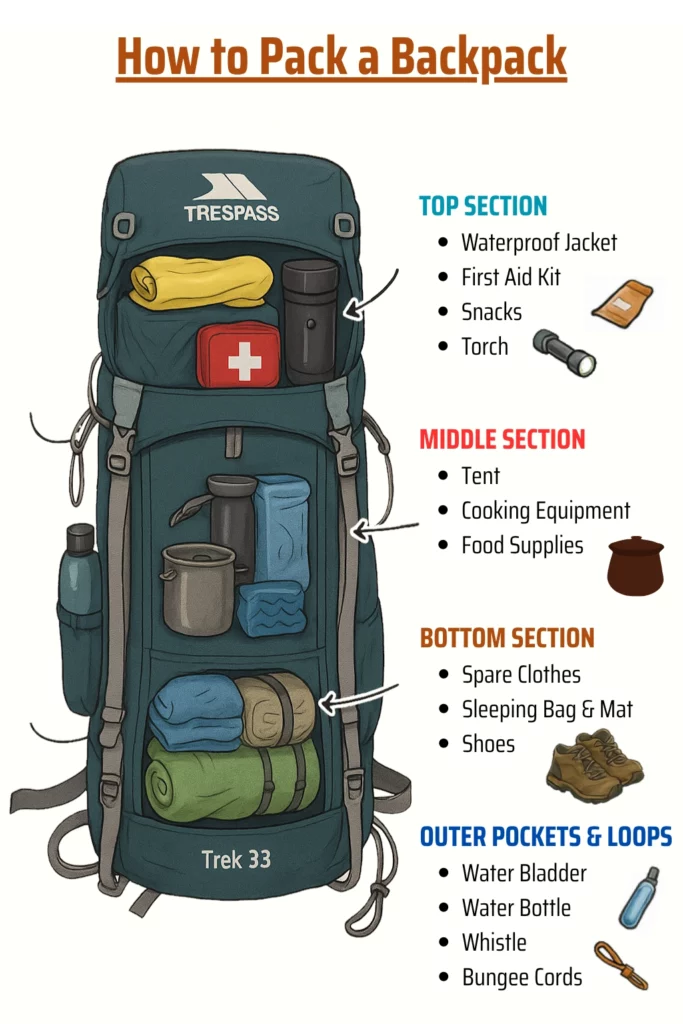
Credit: www.trespass.com
Choosing Waterproof Materials
Waterproofing a backpack keeps your stuff dry in wet weather. Choosing the right materials is key. Some fabrics block water better than others.
Understanding different fabrics and techniques helps you pick the best option. This guide explains common waterproof materials and how to seal seams.
Types Of Waterproof Fabrics
Nylon and polyester are popular for backpacks. They are lightweight and strong. These fabrics often have a waterproof coating.
Canvas is another option. It is thick and durable but needs treatment to be waterproof. Some fabrics have a membrane like Gore-Tex that blocks water.
- Nylon with polyurethane coating
- Polyester with PVC or TPU layer
- Waxed or treated canvas
- Membrane fabrics like Gore-Tex or eVent
Water-resistant Vs Waterproof
Water-resistant fabrics block light rain and splashes. They are not fully waterproof. Water can soak through if exposed long.
Waterproof fabrics stop water completely. They have special coatings or membranes. Waterproof materials keep your backpack dry in heavy rain.
- Water-Resistant:Light rain protection, breathable
- Waterproof:Full rain protection, less breathable
Seam Sealing Techniques
Seams are weak points for water leaks. Sealing seams stops water from entering. You can use tape or glue for sealing.
Heat-sealed seams use heat to bond fabric layers. This creates a strong waterproof seal. Seam tape is common and easy to apply at home.
- Seam taping with waterproof tape
- Liquid seam sealants or glue
- Heat sealing with special machines

Credit: www.leevalley.com
Waterproofing Sprays And Treatments
Waterproofing your backpack is essential for keeping your belongings dry. Using sprays and treatments is an effective way to achieve this. They create a water-resistant barrier on your backpack’s surface.
Choosing the right waterproofing spray can make a big difference. It helps protect your backpack in rainy conditions. Regular application ensures lasting protection.
Best Waterproof Sprays For Backpacks
There are many waterproof sprays available. Picking the best one depends on your backpack material. Some sprays work better on nylon, while others are suited for canvas.
- Nikwax TX.Direct Spray-On
- Scotchgard Heavy Duty Water Shield
- Granger’s Performance Repel Plus
Application Tips For Durable Protection
Applying waterproof spray properly ensures durability. First, clean your backpack. Dirt can prevent the spray from sticking well.
Spray evenly over the entire surface. Hold the spray bottle about six inches away. Let the backpack dry completely before use.
- Clean the backpack thoroughly
- Apply in a well-ventilated area
- Cover all areas evenly
- Allow to dry for 24 hours
Reapplying Treatments Over Time
Waterproof treatments need reapplication over time. Regular use and weather conditions can wear them off. Check your backpack every few months.
If water stops beading on the surface, reapply the spray. This keeps your backpack waterproof. Following these steps ensures long-lasting protection.
Diy Waterproofing Methods
Keeping your backpack dry helps protect your belongings. You can make your backpack water-resistant at home. Simple methods use common materials and tools.
Try these easy DIY waterproofing methods to shield your backpack from rain and moisture. Each method adds a layer of protection in a different way.
Using Wax For Water Repellency
Waxing your backpack fabric creates a water-repellent surface. This method works well on canvas and cotton materials. You only need wax, a cloth, and a heat source.
- Clean the backpack surface before application.
- Rub the wax evenly over the fabric using a cloth.
- Use a hairdryer or heat gun to melt the wax into the fabric.
- Let the backpack cool and harden for a few hours.
- Repeat if needed for stronger protection.
Heat-sealing Seams At Home
Seams are weak points where water can enter. Heat-sealing these seams blocks water from passing through. This method is ideal for synthetic fabrics like nylon and polyester.
Use a household iron or heat sealer tool to apply heat over seam tape. This melts the tape onto the fabric and seals gaps. Make sure to follow safety steps to avoid damage.
| Material Type | Recommended Heat Source | Notes |
| Nylon | Iron on low setting | Use a cloth between iron and fabric |
| Polyester | Heat sealer tool | Apply firm pressure for 10-15 seconds |
| Canvas | Not recommended | Heat can damage fabric |
Covering With Rain Covers
Rain covers add an extra layer outside your backpack. They are waterproof and easy to use. You can buy or make your own rain cover with waterproof fabric.
To make a simple rain cover:
- Measure your backpack’s width, height, and depth.
- Cut waterproof fabric slightly larger than these dimensions.
- Sew or glue edges to form a loose pouch shape.
- Add elastic or drawstrings at the opening for a snug fit.

Credit: www.divebombindustries.com
Maintaining Waterproof Backpacks
Waterproof backpacks keep your belongings dry in rain or snow. To keep them working well, you must maintain their waterproof features.
Proper care helps the backpack last longer and stay water-resistant. Small efforts make a big difference.
Cleaning Without Damaging Coatings
Waterproof coatings can wear off if you clean the backpack wrong. Use gentle cleaning methods to protect these layers.
Use mild soap and cold water. Avoid strong detergents and bleach, which harm the waterproof surface.
- Empty the backpack before cleaning
- Use a soft cloth or sponge
- Gently scrub only dirty areas
- Rinse with clean water
- Air dry in shade, not direct sun
Storage Tips To Preserve Waterproofing
How you store your backpack affects its waterproof ability. Keep it dry and cool to avoid damage.
Do not fold or crush the backpack for a long time. This can cause cracks in the waterproof coating.
- Store in a dry, ventilated place
- Keep away from direct sunlight
- Hang or lay flat, avoid tight folds
- Ensure backpack is clean and dry before storing
Repairing Waterproof Layers
Small tears or worn areas reduce waterproofing. Fix these quickly to keep water out.
Use special waterproof patches or sealants made for fabric. Follow product instructions carefully.
- Clean the area before repair
- Apply patch or sealant smoothly
- Press firmly and let dry fully
- Test the repair with a light spray of water
Frequently Asked Questions
How Can I Make My Backpack Waterproof At Home?
Use waterproof sprays or cover the backpack with a rain cover. Seal seams with tape for extra protection.
What Materials Are Best For Waterproofing Backpacks?
Silicone-based sprays and wax coatings work well. They repel water and keep fabric dry.
How Often Should I Waterproof My Backpack?
Reapply waterproofing every 3 to 6 months, or after heavy rain exposure, to maintain protection.
Can Waterproofing Damage My Backpack Fabric?
No, using the right products designed for fabric keeps your backpack safe and dry.
Is It Better To Use Spray Or Wax For Waterproofing?
Sprays are easy to apply and dry fast. Wax offers stronger, longer-lasting protection but needs more care.
How Do I Dry A Wet Backpack Without Damaging It?
Air dry in shade with zippers open. Avoid direct sunlight or heat to protect fabric.
Conclusion
Waterproofing your backpack protects your items from rain and spills. Use waterproof sprays or covers for easy protection. Seal seams and zippers to keep water out. Regular care helps your backpack last longer. Small steps make a big difference. Stay prepared and keep your gear dry.
Enjoy your adventures without worry.