

Is your pocket knife feeling dull and less effective? A sharp knife makes every task easier, safer, and more satisfying.
You don’t need special tools or a professional to bring your blade back to life. In this guide, you’ll learn simple and effective ways to sharpen your pocket knife right at home. Keep reading, and soon you’ll be slicing with precision and confidence every time you reach for your knife.
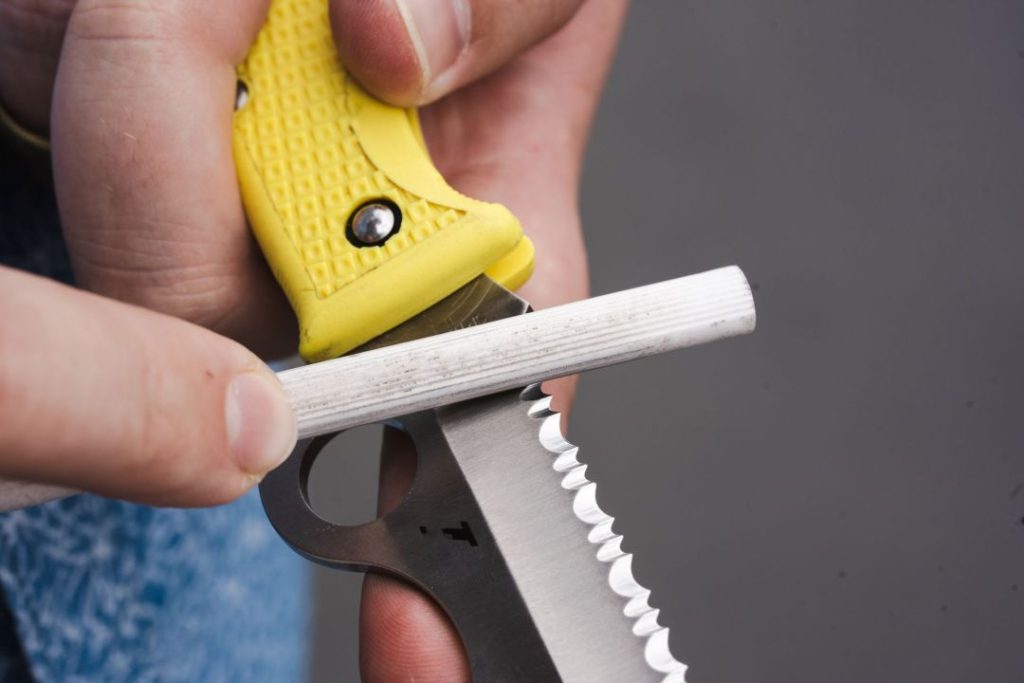
Credit: www.bladehq.com
Tools Needed For Sharpening
Sharpening a pocket knife at home requires some basic tools. These tools help you keep your blade sharp and ready for use.
Understanding the different tools will make the sharpening process easier and more effective.
Types Of Sharpening Stones
Sharpening stones come in several types. Each type suits different sharpening needs.
- Coarse stones:Remove large amounts of metal quickly.
- Medium stones:Used for regular sharpening tasks.
- Fine stones:Polish and refine the blade edge.
- Diamond stones:Very hard and durable, good for tough knives.
- Water stones:Popular for their smooth sharpening action.
Using Honing Rods
Honing rods help maintain the sharpness of your knife between sharpenings. They do not remove much metal but align the blade edge.
- Steel rods:Common and durable, best for regular use.
- Ceramic rods:Harder than steel, good for fine honing.
- Diamond rods:Coated with diamond grit for sharpening and honing.
Optional Accessories
| Accessory | Purpose |
| Sharpening guides | Help keep the knife at the correct angle during sharpening. |
| Lubricants (water or oil) | Reduce friction and clean the stone surface. |
| Strop | Polishes and refines the blade edge after sharpening. |
| Clamp or vice | Holds the knife steady during sharpening. |
Preparing The Knife And Workspace
Sharpening a pocket knife at home requires a clean and organized setup. This ensures safety and effectiveness during the process.
Before you start, make sure to gather all necessary tools and prepare your workspace. Proper preparation leads to better results and prevents accidents.
Cleaning The Blade
Cleaning the blade removes dirt and grime, which can hinder the sharpening process. Use a mild soap solution and a soft cloth to wipe the blade gently.
- Mix a few drops of dish soap in warm water.
- Dip a soft cloth into the solution.
- Wipe the blade carefully, avoiding the sharp edge.
- Rinse with clean water and dry with a towel.
Setting Up A Stable Surface
A stable surface is crucial for safe knife sharpening. Ensure your work area is steady and free from clutter.
Consider using a rubber mat or a towel to prevent slipping.
| Item | Purpose |
| Rubber Mat | Prevents movement |
| Clean Towel | Absorbs excess water |
| Flat Table | Provides stability |
Sharpening Techniques
Sharpening a pocket knife at home is simple with the right tools and steps. Good sharpening keeps your knife safe and useful.
Using the correct technique helps keep the blade strong. Learn how to sharpen your knife properly below.
Choosing The Right Angle
The sharpening angle affects the blade’s sharpness and durability. A smaller angle makes a sharper edge but can dull faster.
Most pocket knives sharpen well at a 20-degree angle. This angle balances sharpness and strength for everyday use.
- 15-20 degrees for a sharp, fine edge
- 20-25 degrees for a strong, durable edge
- Use a guide or marker to keep angle steady
Step-by-step Sharpening Process
Start with a clean sharpening stone or rod. Wet the stone if it needs water or oil for smooth sharpening.
Hold the knife at the chosen angle. Slide the blade across the stone from heel to tip evenly on both sides.
- Place the blade at 20 degrees on the stone
- Push or pull the blade along the stone
- Repeat 5-10 times per side
- Check the blade for a burr (a small raised edge)
- Remove the burr by stroking gently on both sides
Checking The Edge Sharpness
Test the sharpness by cutting paper or shaving a small hair on your arm. The blade should cut easily without force.
Look for a clean, smooth edge with no nicks. If the knife feels dull, repeat the sharpening steps.
- Cut a piece of paper smoothly
- Shave a small patch of hair without pain
- Look closely for any dull spots or chips
- Keep sharpening until the edge is even and sharp

Credit: www.youtube.com
Maintaining Your Pocket Knife
Keeping your pocket knife sharp and in good shape makes it safer and easier to use. Regular care helps the blade last longer and work better.
This guide covers simple ways to maintain your knife at home through honing and proper storage.
Regular Honing Tips
Honing your pocket knife keeps the edge aligned and sharp between full sharpenings. Use a honing rod or stone for best results.
- Hold the honing rod vertically on a stable surface.
- Place the knife edge against the rod at a 20-degree angle.
- Slide the blade down the rod, moving from base to tip.
- Repeat on the other side of the blade.
- Do this 5 to 10 times per side for regular maintenance.
Proper Storage Practices
Storing your pocket knife properly prevents damage to the blade and handle. Avoid damp or cluttered places to keep it in good condition.
| Storage Method | Benefits |
| Knife case or sheath | Protects blade and prevents accidents |
| Dry and cool place | Prevents rust and blade corrosion |
| Separate from other tools | Avoids scratches and dulling |
| Regular cleaning before storage | Keeps knife free from dirt and moisture |
Credit: gearjunkie.com
Frequently Asked Questions
How Often Should I Sharpen My Pocket Knife At Home?
Sharpen your pocket knife after every few uses or when it feels dull. Regular sharpening keeps it effective.
What Tools Do I Need To Sharpen A Pocket Knife?
You need a sharpening stone, honing rod, or a pocket knife sharpener for easy sharpening at home.
Can I Sharpen A Pocket Knife Without Special Equipment?
Yes, use a ceramic mug or sandpaper as a quick alternative for sharpening your pocket knife.
What Is The Best Angle To Sharpen A Pocket Knife?
Sharpen at a 20-degree angle for most pocket knives. This angle keeps the blade sharp and strong.
How Do I Safely Sharpen A Pocket Knife At Home?
Hold the knife firmly, sharpen slowly, and always move the blade away from your body for safety.
Conclusion
Sharpening a pocket knife at home is simple and useful. You only need a few tools and patience. Regular sharpening keeps your knife safe and effective. Remember to follow the steps carefully for best results. Practice helps you improve your skill over time.
A sharp knife makes cutting tasks easier and quicker. Keep your blade clean and dry after sharpening. This small effort extends your knife’s life. Try sharpening today and enjoy the difference.