

Are you ready to create your very own stylish messenger bag? Sewing a messenger bag might sound tricky, but with the right steps, you can make one that fits your style perfectly.
Imagine carrying a bag that you made yourself—unique, practical, and built just for you. In this guide, you’ll discover simple, clear instructions that turn sewing into an easy, enjoyable task. Keep reading, and by the end, you’ll have the skills to craft a bag you’ll be proud to show off every day.
Let’s get started!
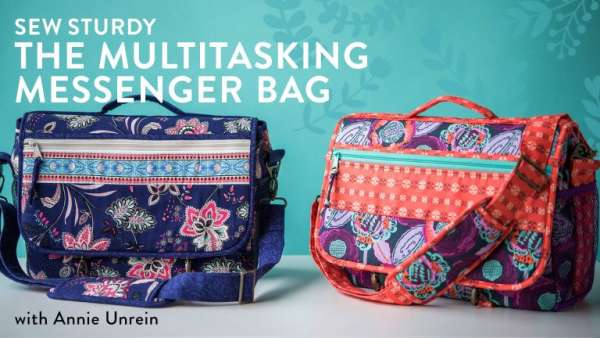
Credit: quilting.craftgossip.com
Materials And Tools
Sewing a messenger bag needs the right materials and tools. This guide helps you pick what you need.
Choosing good fabrics and tools makes your bag strong and stylish. Let’s start with fabric options.
Fabric Choices
Pick fabrics that are durable and easy to sew. Messenger bags need strong material to hold weight.
Here are some good fabric options for your bag project.
- Canvas: Thick and tough, perfect for daily use.
- Denim: Durable and gives a casual look.
- Twill: Strong weave, holds shape well.
- Leather or faux leather: Stylish but harder to sew.
- Waxed cotton: Water-resistant and sturdy.
Essential Sewing Tools
Good tools help you sew faster and neater. Make sure you have these before starting.
- Sewing machine: A strong machine handles thick fabrics.
- Sharp fabric scissors: Cut fabric cleanly without fraying.
- Measuring tape or ruler: Measure fabric and parts correctly.
- Pins or clips: Hold fabric pieces in place while sewing.
- Seam ripper: Fix mistakes by removing stitches easily.
- Iron and ironing board: Press seams flat for neatness.
Additional Supplies
Besides fabric and tools, some extra items make your bag functional and neat.
- Thread: Use strong thread matching your fabric color.
- Interfacing: Adds stiffness and shape to the bag.
- Bag hardware: Buckles, D-rings, and straps for carrying.
- Zippers or Velcro: Close the bag securely.
- Marking tools: Chalk or fabric pens to mark sewing lines.

Credit: www.skillshare.com
Cutting Fabric Pieces
Creating a messenger bag starts with cutting fabric pieces. This step is crucial for a well-made bag.
Careful measuring and cutting ensure your pieces fit perfectly. Let’s explore how to do it right.
Measuring And Marking
Start by measuring the fabric with a ruler or measuring tape. Accurate measurements are key for a good fit.
Mark the measurements with tailor’s chalk or a fabric marker. This helps you see where to cut.
- Measure twice to ensure accuracy
- Use a straight edge for clean lines
- Double-check all marks before cutting
Cutting Techniques
Use sharp fabric scissors or a rotary cutter. This ensures smooth and precise cuts.
Follow the marked lines carefully. Take your time to avoid mistakes.
- Cut on a flat surface for stability
- Apply steady pressure for even cuts
- Keep fingers clear of the blade
Sewing The Bag Body
Sewing the body of a messenger bag involves joining several fabric pieces. This creates the main structure of the bag.
Focus on careful stitching and aligning the panels properly. This ensures a strong and neat bag.
Assembling Main Panels
Start by sewing the front and back panels together. Use a strong stitch along the sides and bottom edges.
Press the seams open with an iron for a flat finish. This helps the bag keep its shape.
- Place front and back panels right sides together
- Sew along the sides and bottom with a straight stitch
- Trim excess fabric from seams
- Press seams open with an iron
Creating Pockets And Flaps
Cut fabric pieces for pockets and flaps to the correct size. Sew edges neatly to avoid fraying.
Attach pockets to the main panels by sewing along three sides. Add the flap by sewing it to the top edge of the back panel.
- Sew pocket edges with a small seam allowance
- Attach pockets to bag panels by sewing three sides
- Sew flap to the top edge of the back panel
- Topstitch edges for extra strength

Credit: m.youtube.com
Finishing Touches
After sewing the main parts of your messenger bag, it is time to add the finishing touches. These steps make your bag sturdy and easy to use. Focus on attaching straps, adding closures, and final stitching.
Each of these parts helps your bag look complete and work well every day. Follow the instructions carefully for the best results.
Attaching Straps
Straps are important for carrying your messenger bag comfortably. Use strong stitches to attach the straps securely to the bag. Make sure to measure the strap length before sewing.
- Pin the strap ends to the bag’s sides
- Sew the straps using a box stitch for strength
- Double-stitch the ends to prevent fraying
- Check that the straps are even in length
Adding Closures
Closures keep your bag contents safe. You can use buttons, snaps, or Velcro to close the flap. Choose a closure that matches your bag’s style and use.
| Closure Type | Pros | Cons |
| Button | Classic look, easy to sew | Slower to open and close |
| Snap | Quick to use, secure | Needs special tools to attach |
| Velcro | Fast, adjustable | Can wear out over time |
Final Stitching
Final stitching gives your bag a neat finish and extra strength. Sew around edges and stress points to keep everything tight. Use matching thread for a clean look.
Tips for final stitching:
- Use a backstitch at the start and end
- Sew slowly to keep stitches even
- Trim loose threads for a tidy finish
Frequently Asked Questions
What Materials Are Needed To Sew A Messenger Bag?
You need fabric, lining, thread, a zipper, buckles, and a sewing machine to start.
How Long Does It Take To Sew A Messenger Bag?
It usually takes about 2 to 4 hours, depending on your sewing skill.
Can Beginners Sew A Messenger Bag Easily?
Yes, with basic sewing skills and clear instructions, beginners can make a simple bag.
What Type Of Fabric Is Best For Messenger Bags?
Canvas or denim works well because they are strong and hold shape.
How Do I Add A Strap To The Messenger Bag?
Sew sturdy fabric or webbing straps onto the bag’s sides securely.
Conclusion
Sewing a messenger bag can be fun and simple. Start with clear steps and good materials. Take your time and follow each part carefully. Practice makes your sewing better every time. Soon, you will have a bag made by your own hands.
Carry it proudly or give it as a gift. Sewing teaches patience and creativity too. Enjoy the process and keep trying new designs. Your skills will grow with each project. Keep sewing and making useful, stylish bags.
Last Updated on January 8, 2026 by Eric B. Steele