

Last Updated on July 4, 2026 by Eric B. Steele
Are you ready to catch more fish with less effort? Setting up a spinner bait the right way can make all the difference between a slow day on the water and a fishing trip full of bites.
You might have the gear, but if your spinner bait isn’t set up properly, you could be missing out on some serious action. You’ll discover simple, step-by-step tips to get your spinner bait ready for success. Keep reading, and you’ll soon know how to make your spinner bait work harder for you—turning every cast into a chance for a big catch.

Credit: www.youtube.com
Choosing The Right Spinner Bait
Spinner baits are popular fishing lures that attract fish with flash and vibration. Picking the right spinner bait helps you catch more fish.
To set up a spinner bait well, consider its blade type, weight, and color. These factors affect how it moves in the water.
Blade Types And Their Effects
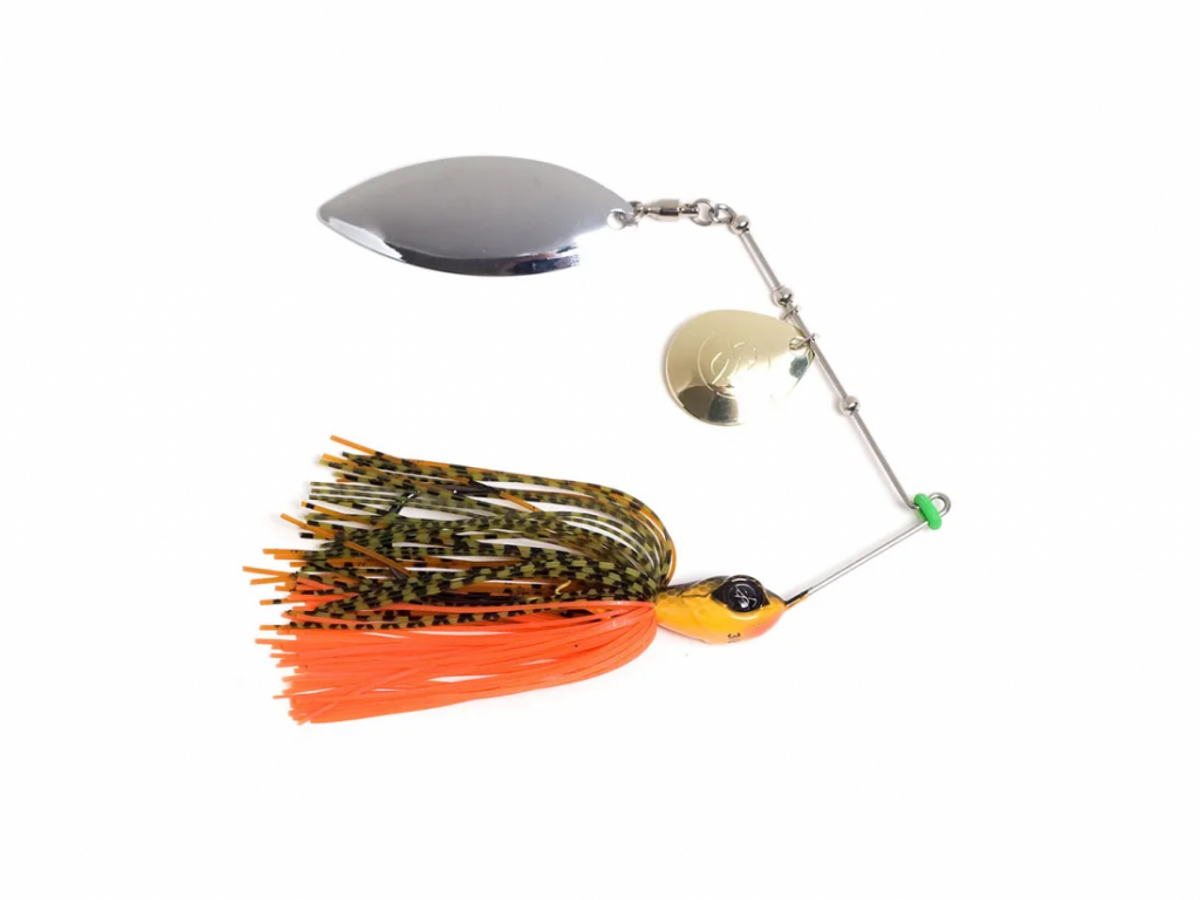
Spinner baits have different blade shapes. Each shape makes the bait spin and flash in a unique way. This changes how fish see and feel it.
- Willow blades are long and thin. They spin fast and create less vibration.
- Colorado blades are round and wide. They spin slowly and produce strong vibration.
- Indiana blades are a mix of willow and Colorado. They balance flash and vibration well.
Choose blade types based on water clarity and fish behavior. Fast blades work well in clear water. Slow blades work in murky water.
Selecting The Proper Weight
The weight of a spinner bait affects how deep it goes and how fast you can cast it. Different weights suit different fishing spots.
- Lighter weights (1/8 to 1/4 ounce) work best in shallow water.
- Medium weights (3/8 to 1/2 ounce) are good for general fishing.
- Heavier weights (3/4 ounce and above) help fish deep or in strong currents.
Use the right weight to keep the bait at the right depth. This helps you catch fish where they are swimming.
Matching Colors To Water Conditions
Color choice is important for spinner baits. Colors should match the water conditions to attract fish better.
- Use bright colors like chartreuse in murky or stained water.
- Natural colors like white or silver work well in clear water.
- Dark colors such as black or blue show better in low light or deep water.
Try different colors if fish are not biting. Changing color can make the bait look more alive.

Credit: www.amazon.ca
Assembling Your Spinner Bait
Setting up a spinner bait correctly helps you catch more fish. It is important to assemble each part carefully.
This guide explains how to attach the blades, add skirts and trailers, and check the hook alignment.
Attaching The Blades Securely
Blades create flash and vibration that attract fish. Attach them tightly to avoid losing them in water.
Use the clevis or swivel to fix the blade to the wire arm. Make sure the blade spins freely but is not loose.
- Slide the blade onto the clevis or swivel
- Tighten the clevis screw to hold the blade firmly
- Check that the blade spins smoothly without wobbling
Adding Skirts And Trailers
Skirts add color and movement to the spinner bait. Trailers add extra attraction and action.
Thread the skirt onto the hook or collar. Attach the trailer to the hook point for better fish appeal.
- Slide the skirt over the hook shank
- Secure the skirt with a collar or rubber band
- Add a trailer to the hook point for extra action
Checking Hook Alignment
Hook alignment affects how well your spinner bait hooks fish. Check that the hook points straight and is not bent.
Hold the spinner bait level and look at the hook from the side. Adjust the hook if it leans or twists.
- Hold the bait horizontally to view the hook
- Make sure the hook point faces upward or slightly outward
- Bend the hook slightly if it is misaligned
Casting And Retrieval Techniques
Setting up a spinner bait is not just about the lure itself. How you cast and retrieve it plays a big role in catching fish. Learning the right techniques helps you fish better.
This guide covers casting methods, retrieval speeds, and using pauses to catch more fish with a spinner bait.
Optimal Casting Methods
To get the best results, aim your cast near structures like rocks or weeds. These spots attract fish. Use a smooth, controlled cast to avoid scaring fish.
Try to cast beyond your target, then reel the spinner bait back through the strike zone. This gives the bait a natural look in the water.
- Use overhand casting for distance and accuracy
- Sidearm casts work well in tight spaces
- Practice smooth releases to reduce splash
Varying Retrieval Speeds
Changing how fast you reel in the spinner bait can attract different fish. Slow retrieval makes the bait look like a wounded prey. Fast retrieval triggers aggressive strikes.
Try mixing slow and fast speeds during your retrieve to see what the fish prefer that day.
- Slow speed for cold water or lazy fish
- Medium speed for active fish in warm water
- Fast speed to provoke reaction strikes
Using Pauses To Trigger Strikes
Pausing your retrieve lets the spinner bait stop and flash. This can fool fish into thinking it is an easy meal. Use pauses after a few cranks of the reel.
Keep pauses short, about one to two seconds. Watch your line for any taps or pulls during the pause.
- Pause after 3 to 5 turns of the reel
- Keep pauses brief to keep fish interested
- Feel your line for subtle bites during pauses
Credit: shopkarls.com
Maintenance And Troubleshooting
Spinner baits are popular fishing tools. They need proper maintenance to work well. Learning how to troubleshoot common issues is key.
Regular checks keep your spinner bait in good shape. This helps you catch more fish and avoid problems.
Inspecting For Damage
Look for any damage on the spinner bait. Check the blades and hooks for rust or cracks. These can stop the bait from spinning properly.
Examine the wire frame. Bent wires affect the bait’s movement. Use pliers to fix small bends.
Replacing Worn Components
Parts wear out over time. Replace worn hooks and blades. Use the right size to match your spinner bait.
Check the swivel. A stuck swivel stops the blade from spinning. Replace it if it is not smooth.
- Use pliers to remove old hooks
- Attach new blades with split rings
- Check for smooth swivel movement
Avoiding Common Rigging Mistakes
Rigging errors can affect performance. Ensure the hook is sharp and properly aligned. This helps in hooking fish efficiently.
Balance the weight. Too much weight can make it sink or spin awkwardly. Use the right weight for your fishing conditions.
- Check hook alignment
- Balance weight for smooth spinning
- Test in water before fishing
Frequently Asked Questions
What Is The Best Way To Rig A Spinner Bait?
Attach the spinner blades to the wire arm, then tie the hook to your fishing line securely.
How Do I Choose The Right Spinner Bait Size?
Match spinner bait size to the fish you want and water conditions for best results.
What Type Of Spinner Blade Works Best For Fishing?
Willow blades spin fast and flash, while Colorado blades vibrate more in water.
How To Properly Attach Spinner Bait To The Fishing Line?
Use a strong knot like the improved clinch knot to tie spinner bait to your line.
Can I Customize Spinner Baits For Different Fishing Spots?
Yes, change blade types or skirt colors to suit water clarity and fish behavior.
Conclusion
Setting up a spinner bait is simple and fun. Choose the right blade and hook size for your fishing spot. Attach the spinner bait securely to your line. Cast it smoothly and vary your retrieval speed. Watch how fish react to different motions.
Practice makes you better at handling the bait. Enjoy the process and stay patient. Catching fish with a spinner bait feels rewarding. Try different setups to find what works best. Keep learning and fishing will become more exciting.