

Last Updated on June 28, 2026 by Eric B. Steele
Are you ready to take control of your indoor gardening and grow healthy plants all year round? Setting up a grow tent might be the perfect solution for you.
It creates the ideal environment your plants need to thrive, no matter the season or weather outside. But if you’re wondering how to start and what steps to follow, this guide will walk you through everything you need to know.
By the end, you’ll feel confident and excited to build your own grow tent setup that fits your space and goals. Let’s dive in and make your indoor garden a success!
Choosing The Right Grow Tent
Setting up a grow tent starts with picking the right one. The right tent helps your plants grow strong and healthy.
Think about your space, materials, and how well the tent controls air and light. These factors affect your plant’s success.
Size And Space Considerations
Measure the space where you want to place the tent. Make sure there is enough room for the tent and your equipment.
- Choose a tent size based on the number of plants.
- Leave space for lights, fans, and pots.
- Think about future plant growth when picking size.
Material And Durability
Look for tents made with strong, thick fabric. Good materials last longer and protect your plants well.
| Material Type | Features | Durability |
| Oxford Cloth | Water-resistant, tear-resistant | High |
| Canvas | Breathable, sturdy | Medium |
| Polyester | Lightweight, reflective inside | Medium |
Ventilation And Lightproof Features
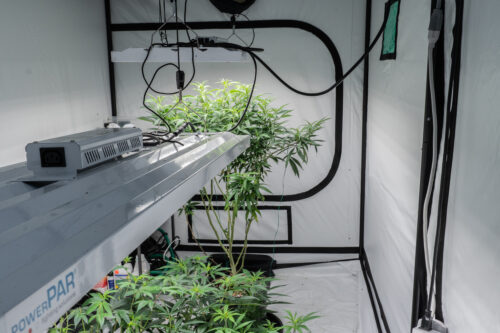
Good ventilation helps air flow and keeps plants healthy. Lightproof tents stop light leaks that can hurt plant growth.
- Mesh windows or vents for air circulation
- Strong zippers to close the tent tightly
- Reflective inner lining to boost light inside
- Double stitching to prevent light leaks
Credit: oaksterdam.com
Setting Up The Tent Frame
Setting up a grow tent is crucial for indoor gardening. The frame is the backbone, supporting the entire structure.
Starting with the frame ensures stability and safety for your plants. Follow these steps for a successful setup.
Assembling Poles And Connectors
Poles and connectors form the skeleton of your grow tent. Each piece must fit snugly to keep the tent upright.
Identify each pole by its label, and connect them using the provided connectors. Ensure no gaps remain.
- Lay out all poles and connectors.
- Match labeled poles with corresponding connectors.
- Firmly push poles into connectors until they click.
Securing The Tent Fabric
The tent fabric provides the enclosure for your grow tent. It must be secured tightly to the frame.
Unfold the fabric and drape it over the frame. Align zippers and corners with the frame’s structure.
- Check that the fabric aligns with each corner.
- Use zippers to close the tent securely.
- Ensure no fabric is sagging or loose.
Creating Access Points
Access points are necessary for ventilation and maintenance. They allow you to reach your plants easily.
Identify areas for vents and doorways. Ensure these are accessible from outside the tent.
- Locate zippers or flaps for doors.
- Ensure vent holes align with fans or filters.
- Secure all access points with provided fasteners.
Installing Lighting And Ventilation
Setting up lighting and ventilation in your grow tent is key for healthy plants. Good light helps plants grow strong. Proper airflow stops heat and humidity problems.
This guide covers choosing grow lights, placing fans and filters, and controlling heat and airflow.
Selecting Suitable Grow Lights
Pick grow lights that fit your plant type and tent size. LED lights save energy and stay cool. High-intensity discharge (HID) lights give strong light but need more heat control.
- Consider the light spectrum needed for your plants
- Match light wattage to your grow tent size
- Use adjustable hangers to set light height
- Choose lights with good heat management
Mounting Fans And Filters
Fans move air inside the tent and help keep temperature steady. Filters clean the air and remove smells. Mount fans near vents to push stale air out.
| Equipment | Placement | Purpose |
| Inline Fan | Top of tent near exhaust | Remove hot air |
| Oscillating Fan | Inside tent at plant level | Circulate air around plants |
| Carbon Filter | Connected to exhaust fan | Remove odors |
Managing Heat And Airflow
Control heat by adjusting fan speed and light height. Keep vents open for fresh air. Use a thermostat to monitor temperature. Good airflow stops mold and pests.
- Set exhaust fan to remove hot air fast
- Use an intake vent for fresh air
- Place fans to avoid dead air spots
- Check temperature daily for changes

Credit: nosoilsolutions.com
Organizing The Interior For Growth
Setting up a grow tent is important for healthy plant growth. Organizing the inside helps plants get light, air, and space.
Good organization also makes it easier to care for your plants and keep the tent clean and safe.
Arranging Plants And Containers
Place plants so each one gets enough light and air. Use containers that fit the size of your plants and the space inside the tent.
Keep taller plants in the back or center. Smaller plants go around the edges. This setup helps light reach all leaves.
- Use trays or shelves to save space
- Keep enough room between containers for air flow
- Choose containers with good drainage
Monitoring Temperature And Humidity
Plants grow best in certain temperature and humidity levels. Use a thermometer and hygrometer to check these inside the tent.
Adjust fans, heaters, or humidifiers to keep the environment stable. Sudden changes can stress plants and slow growth.
- Keep temperature between 65-80°F (18-27°C)
- Maintain humidity levels around 40-60%
- Ventilate to prevent heat build-up
Maintaining Cleanliness And Safety
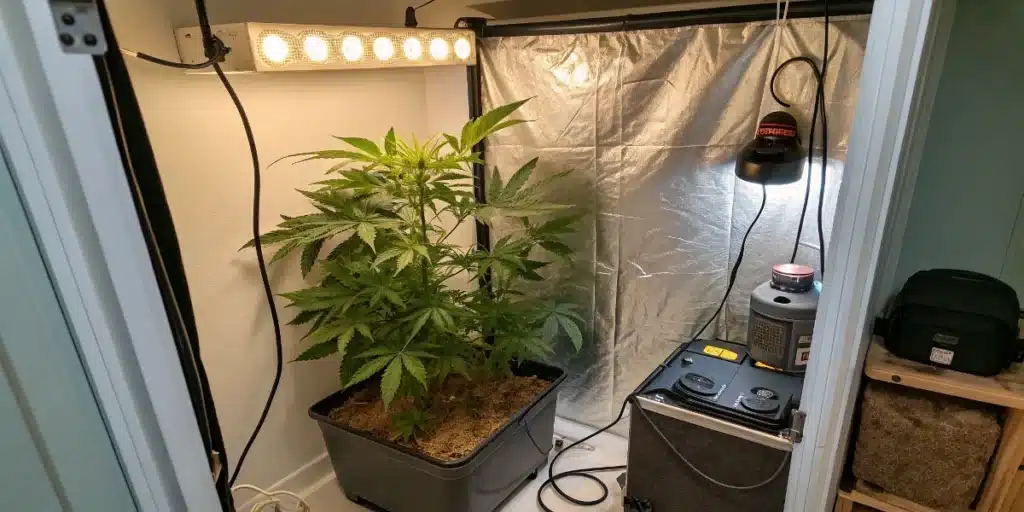
Cleanliness helps prevent pests and diseases inside the grow tent. Remove dead leaves and spilled soil regularly.
Keep electrical cords away from water. Use safe equipment to avoid accidents and fire risks.
- Clean containers and tools before use
- Check for mold or pests often
- Use waterproof mats to protect the floor
Credit: blimburnseeds.com
Frequently Asked Questions
What Size Grow Tent Should I Choose For My Plants?
Choose a grow tent size based on your plant number and space available. Small tents fit few plants, large tents fit many.
How Do I Set Up Lighting Inside A Grow Tent?
Hang grow lights above plants, keeping proper distance to avoid burning or stretching. Use adjustable hangers for height.
What Ventilation System Works Best In A Grow Tent?
Use an exhaust fan and intake vent to keep air fresh. Add a fan inside for air circulation.
How Can I Control Temperature And Humidity In A Grow Tent?
Use a thermometer and hygrometer to monitor. Adjust fans, heaters, or humidifiers to keep ideal levels.
What Type Of Soil Or Growing Medium Is Best For Grow Tents?
Use well-draining soil or coco coir for good root growth. Avoid heavy or waterlogged mediums.
Conclusion
Setting up a grow tent is easier than it seems. Start with a clean, quiet space. Assemble the frame and attach the tent carefully. Install lights, ventilation, and reflective walls. Keep temperature and humidity in check. Regularly check plants for growth and health.
Small steps lead to a successful indoor garden. Enjoy watching your plants thrive indoors. Grow tents offer control and convenience. Your green space awaits—take it one step at a time.