

Last Updated on July 4, 2026 by Eric B. Steele
Are you ready to make your next adventure easier and more enjoyable? How you pack your rucksack can make all the difference between a comfortable trip and a frustrating one.
Imagine reaching your destination without sore shoulders or digging endlessly to find what you need. Sounds good, right? In this guide, you’ll learn simple yet powerful tips to pack your rucksack efficiently. By the end, you’ll feel confident and prepared every time you hit the trail.
Keep reading—you don’t want to miss these game-changing packing secrets!
Choosing The Right Rucksack
Packing a rucksack starts with picking the right one. A good rucksack fits your needs and feels comfortable.
Think about what you will carry and how long your trip will be. This helps you choose the best rucksack size and features.
Size And Capacity
Rucksacks come in many sizes. Choose one that fits your trip length and gear amount.
Small rucksacks hold 20-30 liters. They are good for day trips. Bigger rucksacks hold 40-70 liters or more. Use these for longer trips.
- 20-30 liters: short hikes or daily use
- 40-50 liters: weekend trips
- 60-70+ liters: multi-day or heavy gear
Material And Durability
Choose a rucksack made with strong materials. This keeps your gear safe from tears and rain.
Nylon and polyester are common fabrics. Look for water-resistant or waterproof coatings for wet weather. Check the quality of zippers and stitching.
- Nylon: strong and lightweight
- Polyester: durable and affordable
- Waterproof coating: protects from rain
- Good zippers: last longer and stay closed
Comfort Features
Comfort is important when carrying a rucksack for a long time. Look for padded straps and back support.
Adjustable straps help fit the rucksack to your body. Ventilated back panels reduce sweat. Hip belts carry weight off your shoulders.
- Padded shoulder straps: soften the load
- Adjustable straps: fit your body size
- Ventilated back panel: improves airflow
- Hip belt: supports heavy loads
Credit: www.dofe.org
Organizing Your Gear
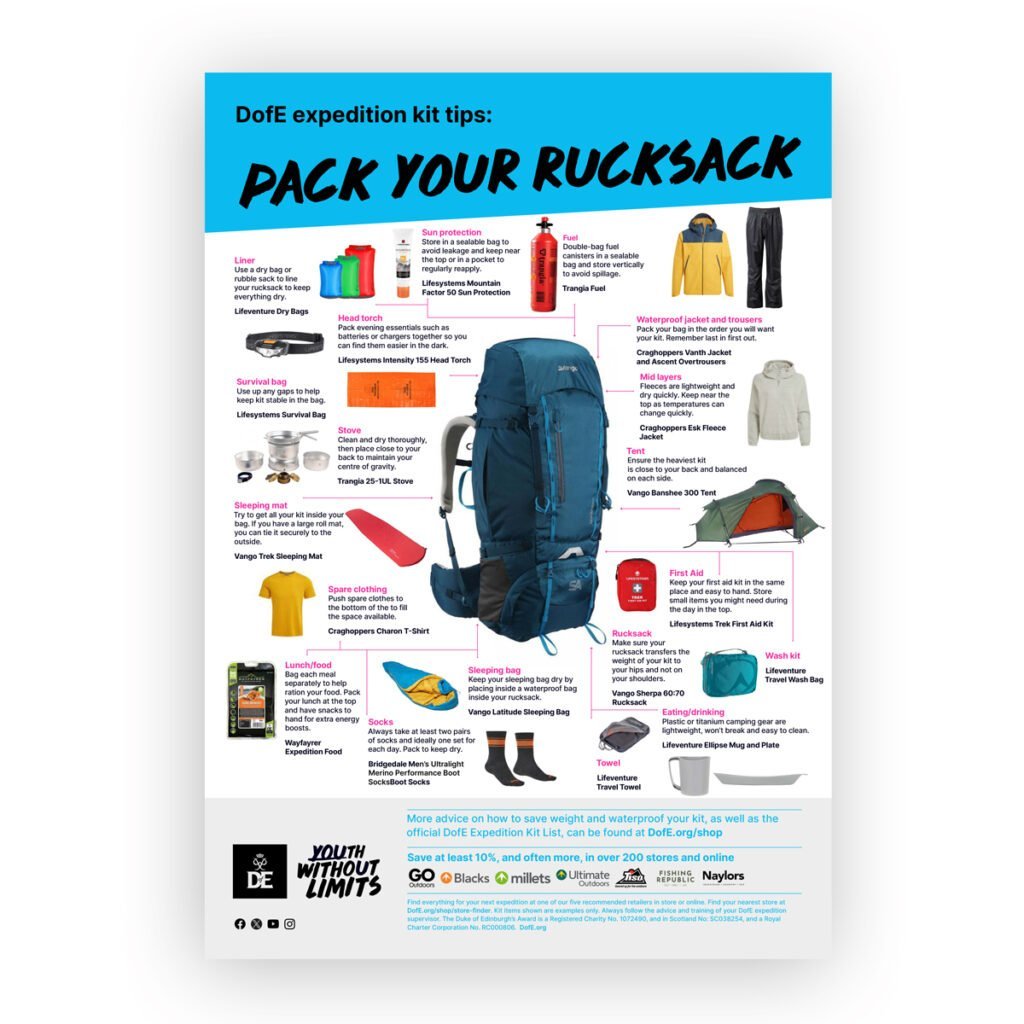
Packing a rucksack efficiently can make your journey more enjoyable. Organizing your gear ensures easy access and balanced weight.
Learn how to pack essential items, use packing cubes, and distribute weight properly.
Essential Items List
Start with a list of essential items. This helps you remember everything you need.
- Clothing
- Food and Snacks
- Water Bottle
- First Aid Kit
- Navigation Tools
Using Packing Cubes
Packing cubes help organize your belongings. They keep items separate and easy to find.
| Cube Size | Best Use |
| Small | Underwear and Socks |
| Medium | T-Shirts and Shorts |
| Large | Jackets and Pants |
Weight Distribution
Proper weight distribution is key to comfort. Pack heavy items close to your back.
Packing Techniques
Packing your rucksack the right way makes your trip easier. Good packing keeps items safe and easy to find.
Using smart techniques helps balance the weight and saves space. This guide covers key ways to pack well.
Layering For Accessibility
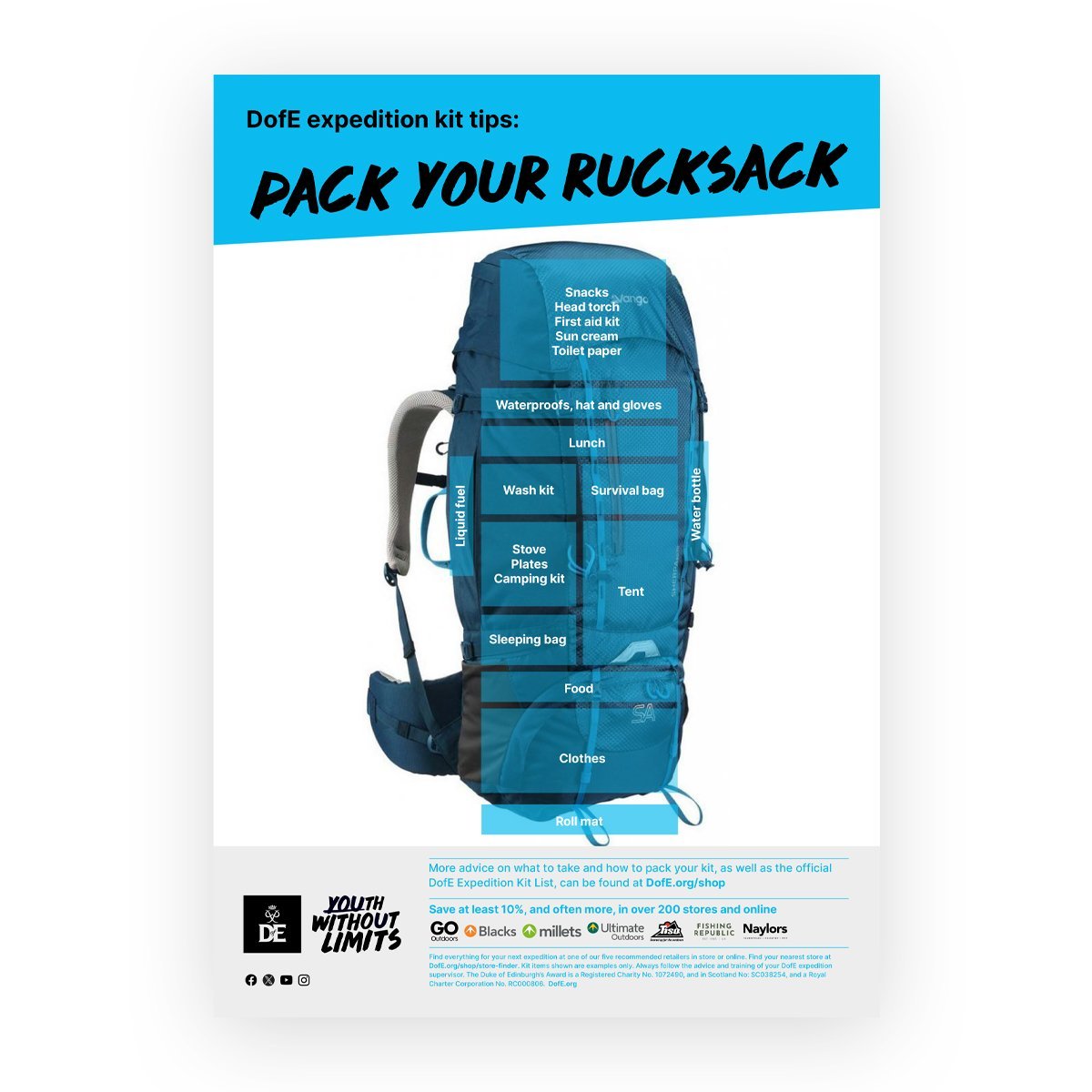
Put items you need often near the top or outside pockets. This saves time and keeps your rucksack organized.
Heavy items go near your back. Light and soft things fit at the top or sides for easy reach.
- Place rain gear and snacks near the top
- Keep first-aid kit in an outer pocket
- Put heavy gear close to your spine
- Pack clothes and sleeping bag at the bottom
Protecting Fragile Items
Wrap fragile items with soft clothes or bubble wrap. This prevents damage during movement.
Place fragile things in the middle of your rucksack. Surround them with soft items for extra cushioning.
- Use padded cases for electronics
- Wrap glass bottles in clothing
- Keep fragile items away from heavy gear
- Fill empty spaces with soft items to avoid shifting
Compressing Clothes
Use compression bags or roll clothes tightly to save space. This makes your rucksack lighter and neater.
Rolling clothes also reduces wrinkles. Pack heavier clothes at the bottom for better balance.
- Roll shirts and pants tightly
- Use compression sacks for bulky items
- Fill gaps with small rolled items
- Place compressed clothes at the base of the pack

Credit: www.sport-conrad.com
Final Checks And Adjustments
After packing your rucksack, take time to check and adjust everything. This helps you carry it comfortably and safely.
Small changes now can prevent problems during your trip. Make sure your load feels balanced and secure.
Balancing The Load
Keep heavy items close to your back and near the center. This helps keep your balance and reduces strain.
Distribute weight evenly on both sides to avoid leaning. Check if the pack feels steady when you move.
- Place heavy gear near your spine
- Put lighter items at the top or outside
- Adjust side pockets to balance weight
Securing Loose Straps
Tie or tuck in all loose straps to stop them from swinging or catching on things. Loose straps can cause accidents.
Use strap keepers or Velcro bands if you have them. Check straps on the sides, bottom, and top of your pack.
- Roll up extra strap length
- Use clips or ties to hold straps tight
- Check straps after walking a short distance
Weatherproofing Tips
Cover your rucksack with a rain cover or waterproof bag. This keeps your gear dry during rain or snow.
Seal zippers and close pockets tightly. Store important items in plastic bags inside your pack for extra protection.
- Use a waterproof rain cover
- Seal all openings and pockets
- Pack sensitive gear in plastic bags
Credit: www.dofe.org
Frequently Asked Questions
How Do I Organize Items Inside A Rucksack?
Place heavy items at the bottom and close to your back for balance and comfort.
What Essentials Should I Pack First In A Rucksack?
Pack important items like water, food, and a first aid kit near the top for easy access.
How Can I Keep My Rucksack Balanced While Hiking?
Distribute weight evenly on both sides and avoid overloading one side to maintain balance.
What Is The Best Way To Protect Fragile Items In A Rucksack?
Wrap fragile items in soft clothes and place them in the middle for extra cushioning.
How Tightly Should I Pack My Rucksack?
Pack items snugly but avoid overstuffing to keep the rucksack comfortable and secure.
Can I Pack Wet Clothes In My Rucksack Safely?
Use waterproof bags or liners to keep wet clothes separate and protect other items inside.
Conclusion
Packing a rucksack well saves space and keeps things organized. Start with heavy items at the bottom for balance. Use small bags to group your gear and clothes. Keep essentials like water and snacks easy to reach. Check your list twice to avoid forgetting anything important.
A smart-packed rucksack makes your trip easier and more fun. Practice packing before your trip to get faster. Simple steps lead to a smoother adventure every time.