

Last Updated on June 28, 2026 by Eric B. Steele
Packing a dress in your suitcase might seem simple, but if you’re not careful, wrinkles and damage can ruin your look before you even arrive. You want your dress to stay fresh and flawless, ready to wear the moment you unpack.
Imagine opening your suitcase and seeing your favorite dress perfectly smooth, just as you packed it. In this guide, you’ll discover easy, smart tips to pack your dress so it stays neat and wrinkle-free. Keep reading, and you’ll never stress about packing your dress again.
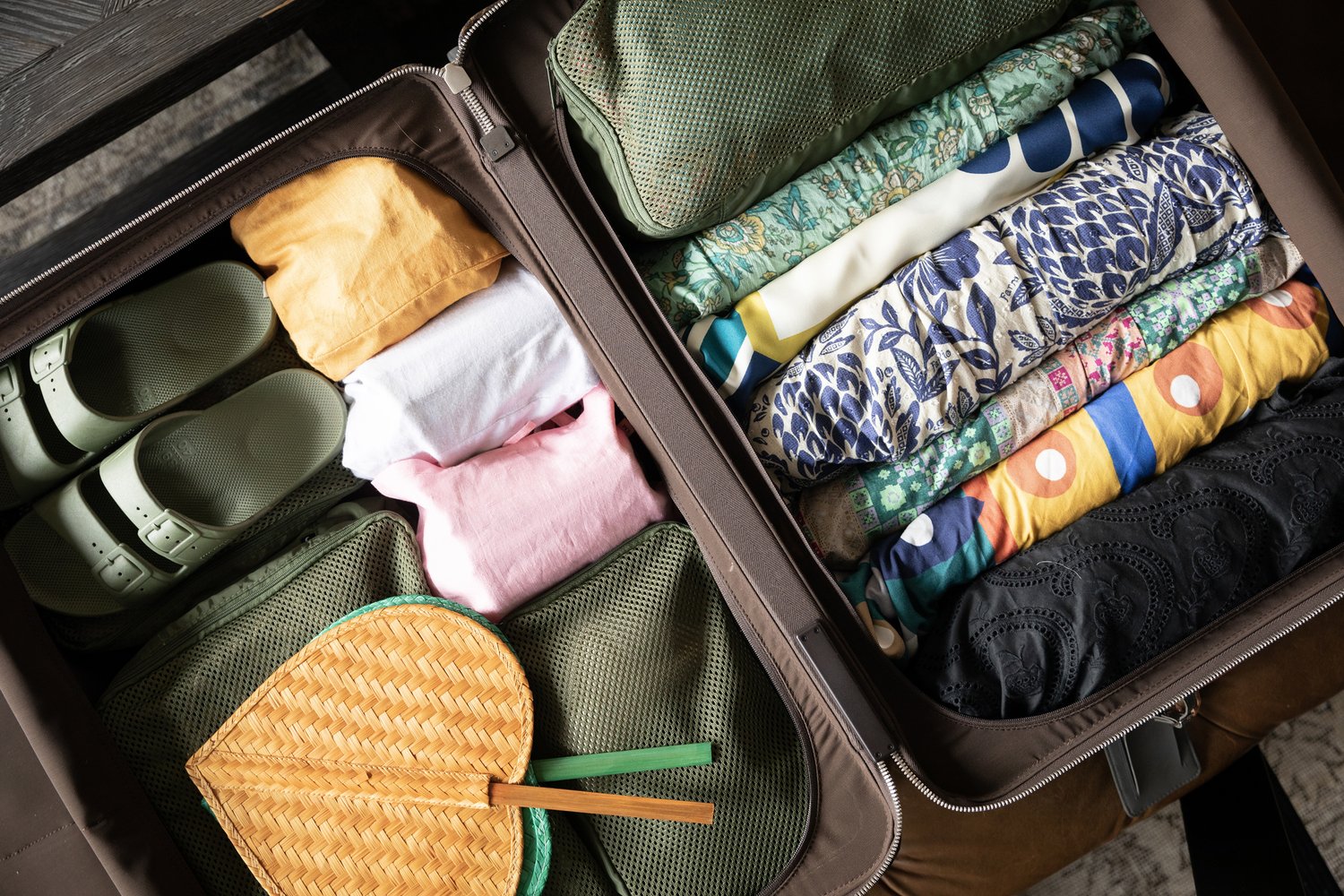
Credit: www.chyka.com
Choose The Right Dress Fabric
Packing a dress in a suitcase needs careful fabric choice. Some fabrics travel better and stay neat.
Picking the right fabric helps keep your dress wrinkle-free and fresh. It also saves space in your bag.
Natural Fabrics
Natural fabrics like cotton and linen are soft and breathable. They feel comfortable but can wrinkle easily.
Synthetic Fabrics
Synthetic fabrics such as polyester and nylon resist wrinkles well. They dry quickly and hold their shape.
Delicate Fabrics
Delicate fabrics like silk and chiffon need extra care. They can crease and stain easily during travel.
- Silk: smooth but wrinkles fast
- Chiffon: light but delicate
- Lace: decorative but fragile
Fabric Care Tips For Packing
| Fabric Type | Packing Tip | Best For |
|---|---|---|
| Cotton | Fold carefully and use tissue paper | Casual and everyday dresses |
| Polyester | Roll to avoid wrinkles | Work and travel dresses |
| Silk | Use a garment bag and avoid heavy folding | Formal and evening dresses |
| Linen | Pack flat to reduce creases | Summer and casual wear |
Prep Your Dress Before Packing
Packing a dress can be tricky. You want it to stay wrinkle-free and clean. Preparing it well before packing helps a lot.
Proper preparation ensures your dress looks its best after travel. Let’s explore how to do this efficiently.
Check For Stains And Repairs
Before packing, examine your dress carefully. Look for any stains or needed repairs.
- Inspect the fabric for any spots or stains
- Check seams and hems for loose threads
- Ensure buttons and zippers work properly
Clean And Press Your Dress
Once checked, clean your dress if necessary. Press it to remove wrinkles and ensure it’s neat.
| Fabric Type | Cleaning Method | Pressing Temperature |
| Cotton | Machine Wash | Medium |
| Silk | Dry Clean | Low |
| Polyester | Hand Wash | Medium |
Use A Garment Bag
Consider using a garment bag for extra protection. It keeps your dress clean and reduces wrinkles.
Best Folding Techniques
Packing a dress in a suitcase can be tricky. Using the right folding method keeps it neat and wrinkle-free.
Here are some easy folding techniques to save space and protect your dress during travel.
Flat Fold
Lay the dress flat on a clean surface. Smooth out all wrinkles with your hands.
Fold the dress in half vertically, matching the edges. Then fold it horizontally into a compact shape.
- Helps reduce wrinkles
- Fits well in small spaces
- Easy to unpack and wear
Roll Folding
Place the dress flat and fold the sleeves inward. Smooth wrinkles before rolling.
Start rolling from the bottom to the top tightly. This method saves suitcase space.
- Reduces creases
- Maximizes suitcase room
- Good for casual dresses
Bundle Wrap
Use a soft cloth or tissue paper. Place the dress flat and wrap the cloth around it.
Fold the dress gently over the wrap to protect delicate fabric from creasing.
- Protects delicate fabrics
- Minimizes wrinkles
- Works well for silk or lace
Hanger Packing
Hang the dress on a sturdy hanger. Cover it with a garment bag or plastic cover.
Place the hanger on top of packed items inside the suitcase to keep the dress straight.
- Prevents wrinkles
- Best for formal dresses
- Needs a suitcase with hanger space
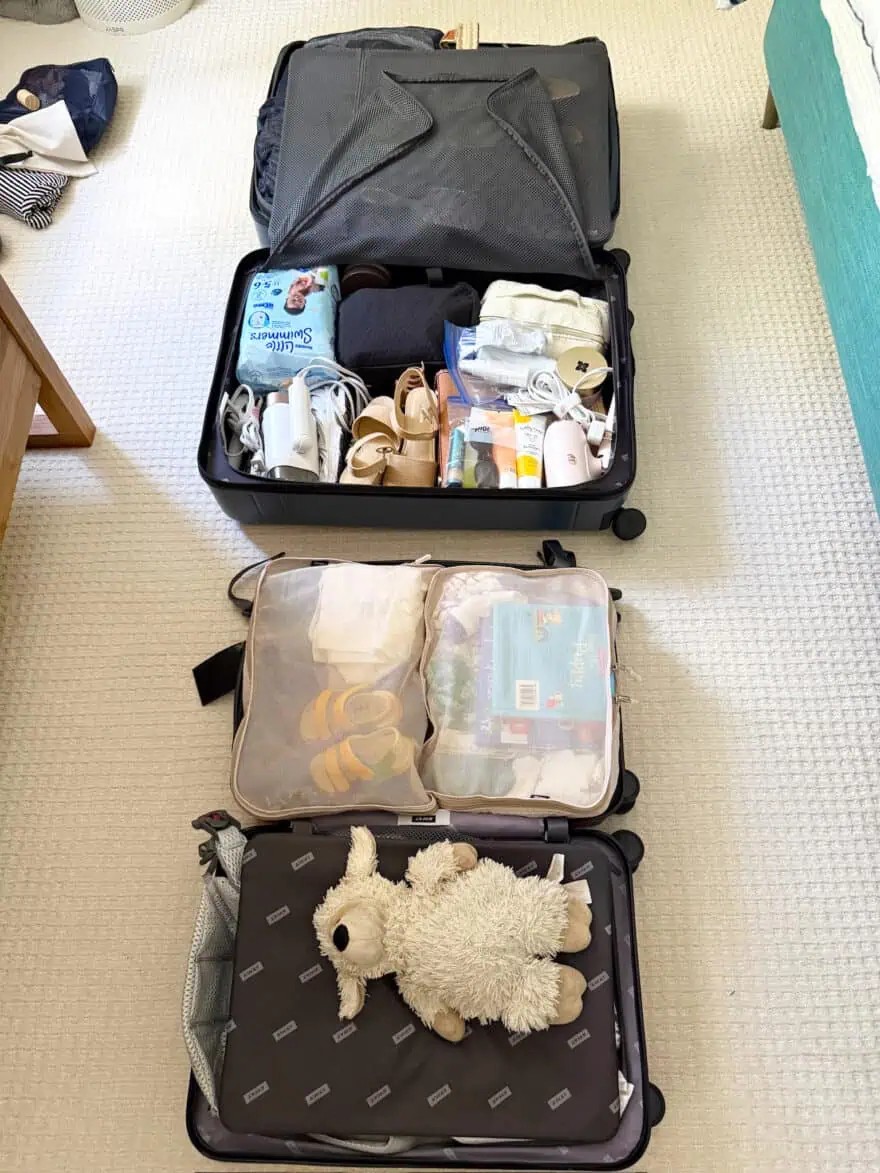
Credit: terilynadams.com
Use Packing Accessories
Packing accessories help keep your dress neat in a suitcase. They save space and stop wrinkles.
Using the right tools makes traveling easier and protects your clothes.
Garment Bags
Garment bags keep dresses flat and clean. Choose a lightweight bag that fits inside your suitcase.
Packing Cubes
Packing cubes organize your clothes and save space. Use one cube just for your dress to avoid crushing it.
- Fold the dress carefully before placing it in the cube
- Use a cube with soft sides to prevent creases
- Label the cube to find your dress quickly
Tissue Paper
Tissue paper reduces wrinkles by cushioning fabric layers. Place sheets between folds of your dress.
| Packing Accessory | Purpose |
|---|---|
| Garment Bag | Keeps dress flat and protected |
| Packing Cube | Organizes clothes and saves space |
| Tissue Paper | Prevents wrinkles between fabric layers |
Plastic Dry Cleaner Bags
Slip your dress inside a dry cleaner bag before folding. The plastic reduces friction and stops wrinkles.

Credit: www.youtube.com
Frequently Asked Questions
How Do I Fold A Dress To Avoid Wrinkles In A Suitcase?
Fold the dress gently along its natural lines. Use tissue paper between folds to reduce wrinkles.
Can I Roll A Dress Instead Of Folding It?
Yes, rolling saves space and limits creases. Roll carefully from the bottom to the top.
What Is The Best Fabric For Easy Packing?
Choose wrinkle-resistant fabrics like polyester or jersey. These fabrics hold up better in suitcases.
Should I Use Packing Cubes For Dresses?
Packing cubes keep dresses organized and compressed. They protect clothes and save suitcase space.
How Can I Protect Delicate Dresses In Luggage?
Place dresses in garment bags or wrap in soft cloth. Keep them away from heavy items.
Can I Pack A Dress With Shoes In The Same Compartment?
Avoid placing shoes directly with dresses. Use separate compartments or shoe bags to prevent dirt transfer.
Conclusion
Packing a dress in a suitcase does not have to be hard. Fold it carefully or roll it to save space. Use tissue paper to avoid wrinkles. Place the dress on top of other items. Keep it away from heavy things that may crush it.
These small steps help your dress stay neat and ready to wear. Travel light but smart. Enjoy your trip without worrying about your clothes. Simple tips make packing easier and stress-free.