

Last Updated on June 28, 2026 by Eric B. Steele
Packing a backpack for travel can feel overwhelming, but it doesn’t have to be. Imagine opening your bag and finding everything you need, perfectly organized and easy to reach.
You’ll save time, avoid stress, and enjoy your trip more. In this guide, you’ll discover simple steps to pack smart, keep your essentials handy, and travel lighter than ever before. Ready to make your next adventure smoother? Let’s dive in and transform how you pack your backpack!

Credit: www.youtube.com
Choosing The Right Backpack
Packing a backpack for travel starts with picking the right one. The right backpack makes your trip easier.
Think about size, material, and comfort to find the best backpack for your needs.
Size And Capacity
Your backpack size should match your trip length and what you carry. A small bag fits short trips.
Larger backpacks hold more but can be heavy and bulky. Choose a size that feels right for you.
- 20-35 liters for day trips or light packing
- 40-60 liters for week-long trips
- 60+ liters for long trips or heavy gear
Material And Durability
Strong materials keep your backpack safe and last longer. Look for water-resistant fabric for rainy trips.
Heavy-duty zippers and reinforced stitching add to durability. These features protect your gear better.
- Nylon and polyester are common durable materials
- Water-resistant coatings help keep things dry
- Check for sturdy zippers and strong seams
Comfort Features
Comfort is key when carrying a backpack for hours. Look for padded straps and back support.
Adjustable straps help fit the backpack to your body. Ventilation reduces sweat on your back.
- Padded shoulder straps reduce pressure
- Hip belts transfer weight to hips
- Mesh back panels improve airflow
- Adjustable chest straps add stability
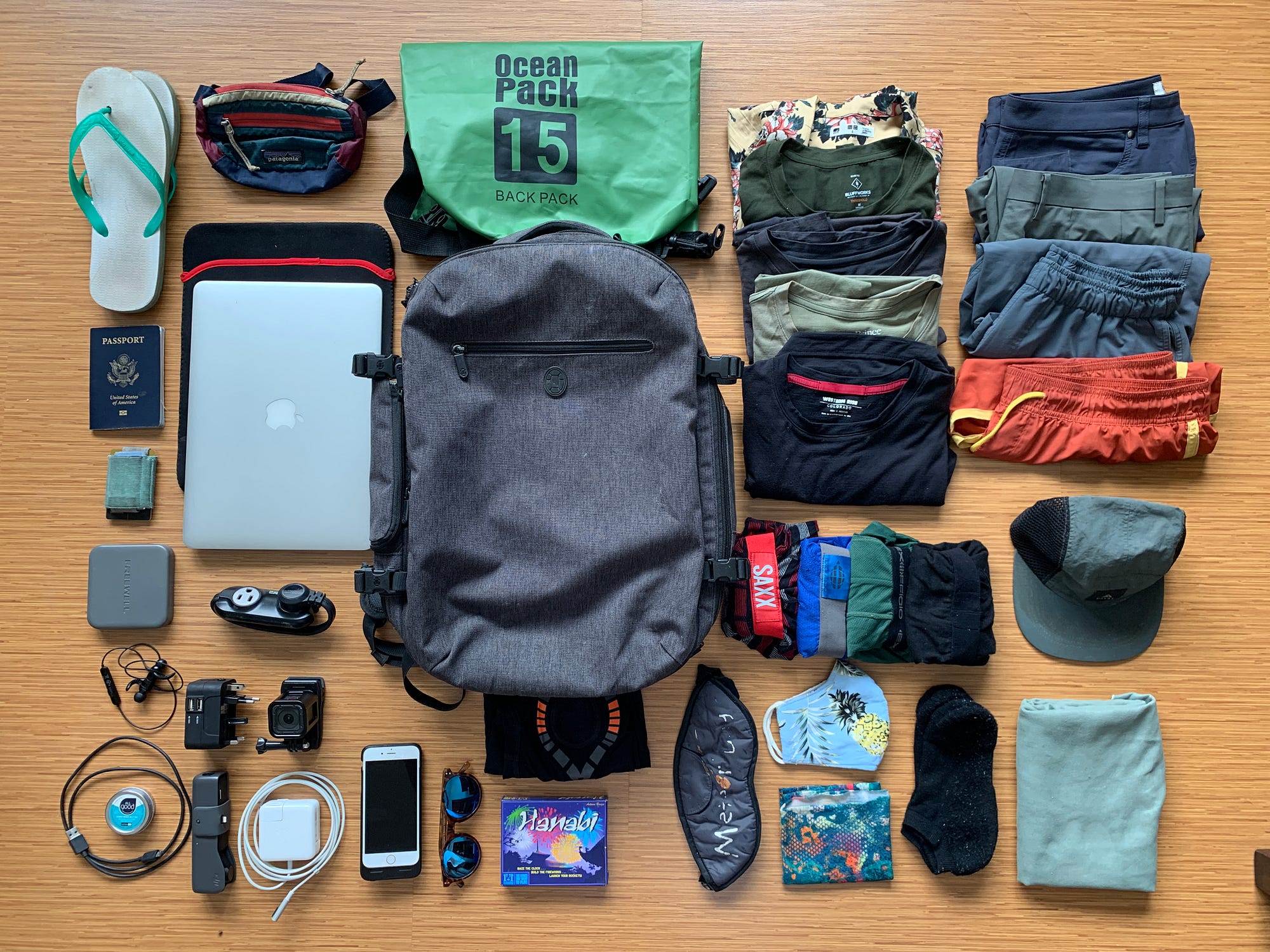
Credit: medium.com
Essential Packing Techniques
Packing a backpack for travel can be challenging. Using the right techniques makes it easier to fit everything you need.
Understanding essential packing techniques helps you travel efficiently. It keeps your belongings organized and accessible.
Rolling Vs. Folding Clothes
Rolling clothes saves space and reduces wrinkles. It’s great for small items like t-shirts and shorts.
Folding clothes works well for larger items. Fold neatly to maximize space in your backpack.
- Roll t-shirts, pajamas, and shorts
- Fold jackets, jeans, and sweaters
- Use a mix of both methods for best results
Using Packing Cubes
Packing cubes help organize your clothes. They separate items and make it easy to find what you need.
Use different cubes for different types of clothing. This keeps your backpack tidy and accessible.
| Cube Type | Best For |
| Small Cube | Underwear and socks |
| Medium Cube | T-shirts and shorts |
| Large Cube | Jackets and pants |
Maximizing Space
Maximizing space in your backpack is crucial for carrying more items. Use compression bags to reduce clothing size.
Place heavier items at the bottom. This balances the backpack and makes it easier to carry.
- Use compression bags for bulkier clothes
- Pack shoes at the bottom
- Fill gaps with small items like socks
Organizing Your Gear
Packing your backpack well can make your travel easier. It helps you find things fast and keeps your items safe.
Organize your gear to keep everything neat. This way, you save time and avoid damage to your belongings.
Separating Essentials
Keep important items separate from the rest. This makes them easy to reach and prevents losing them in the bag.
- Place your passport, tickets, and wallet in a small pouch
- Use a separate bag for your electronics and chargers
- Keep medications in a clear, labeled container
- Store toiletries in a waterproof bag
Easy Access Items
Put items you need often near the top or in outside pockets. This helps you grab them without unpacking everything.
| Item | Recommended Location |
| Water bottle | Side pocket |
| Snacks | Top compartment |
| Maps or guidebooks | Front pocket |
| Rain jacket | Outer compartment |
Protecting Fragile Items
Fragile items need extra care to avoid damage. Use padding and place them in safe spots inside your backpack.
- Wrap electronics in clothes or bubble wrap
- Put fragile items in the center of your pack
- Avoid placing heavy items on top of delicate gear
- Use hard cases for cameras and lenses
Tips For Weight Distribution
Packing a backpack properly helps you carry it comfortably. Weight distribution is key. It prevents pain and keeps you balanced.
Learn how to place heavy items, adjust straps, and keep stability for your travel backpack.
Balancing Heavy Items
Place heavy items close to your back and near the center. This keeps the pack stable and reduces strain on your shoulders.
- Put heavy gear like water, food, or electronics in the middle section.
- Keep lighter items in outer pockets or at the top.
- Distribute weight evenly on both sides to avoid leaning.
Adjusting Straps
Straps help keep the backpack close to your body. Adjust them to fit your shape and load size.
| Strap | Purpose | Adjustment Tip |
| Shoulder Straps | Hold pack on shoulders | Tighten to keep pack close |
| Chest Strap | Stabilizes shoulder straps | Adjust to mid-chest level |
| Hip Belt | Transfers weight to hips | Fasten snugly around hips |
Maintaining Stability
Keep your backpack steady while walking. Stability stops the pack from shifting and causing discomfort.
- Secure all straps tightly but comfortably.
- Place bulky items at the bottom to lower the center of gravity.
- Use compression straps to reduce pack movement.

Credit: www.graveltravel.com
Frequently Asked Questions
How Do I Choose The Right Backpack Size For Travel?
Pick a backpack size based on trip length and what you need to carry daily.
What Are The Best Items To Pack In A Travel Backpack?
Pack essentials like clothes, toiletries, electronics, and travel documents neatly.
How Can I Organize My Backpack To Save Space?
Use packing cubes and roll clothes to fit more and keep things tidy.
Should I Pack Heavy Or Light Items At The Bottom?
Place heavy items at the bottom for better balance and comfort.
How Do I Protect Fragile Items In My Backpack?
Wrap fragile items in clothes or use padded cases to avoid damage.
Can I Carry Liquids In My Travel Backpack Safely?
Use leak-proof bottles and keep liquids in a sealed plastic bag to prevent spills.
Conclusion
Packing a backpack well saves space and avoids stress. Choose light, essential items only. Roll clothes to fit more inside. Use packing cubes to keep things neat. Keep important items easy to reach. Balance the weight for comfort while walking.
Double-check your list before closing the bag. A well-packed backpack makes travel easier and more fun. Try these tips on your next trip. You will feel ready and organized from the start.