

Last Updated on July 4, 2026 by Eric B. Steele
Packing your backpack the right way can make or break your backpacking trip. You might think it’s just about stuffing your gear inside, but how you pack affects your comfort, safety, and even your energy levels on the trail.
Imagine reaching your campsite after hours of hiking, and your backpack feels like a heavy burden. Frustrating, right? This guide will show you simple, effective steps to pack smartly, so your backpack feels lighter and your adventure becomes more enjoyable.
Keep reading, and you’ll learn how to organize your gear like a pro, avoid common mistakes, and stay comfortable no matter where your journey takes you.
Credit: pangolinswithpacks.com
Choosing The Right Backpack
Picking the right backpack is key for a good trip. It helps carry your stuff safely and keeps you comfortable.
Think about how long you will hike and what you need to bring. The right backpack matches your trip and body.
Capacity And Size
Choose a backpack size that fits your trip length. Bigger backpacks hold more gear but are heavier.
For short trips, 20 to 40 liters is enough. For longer trips, pick 50 to 70 liters or more.
- Day trips: 20-40 liters
- Weekend trips: 40-50 liters
- Multi-day trips: 50-70+ liters
Weight Distribution
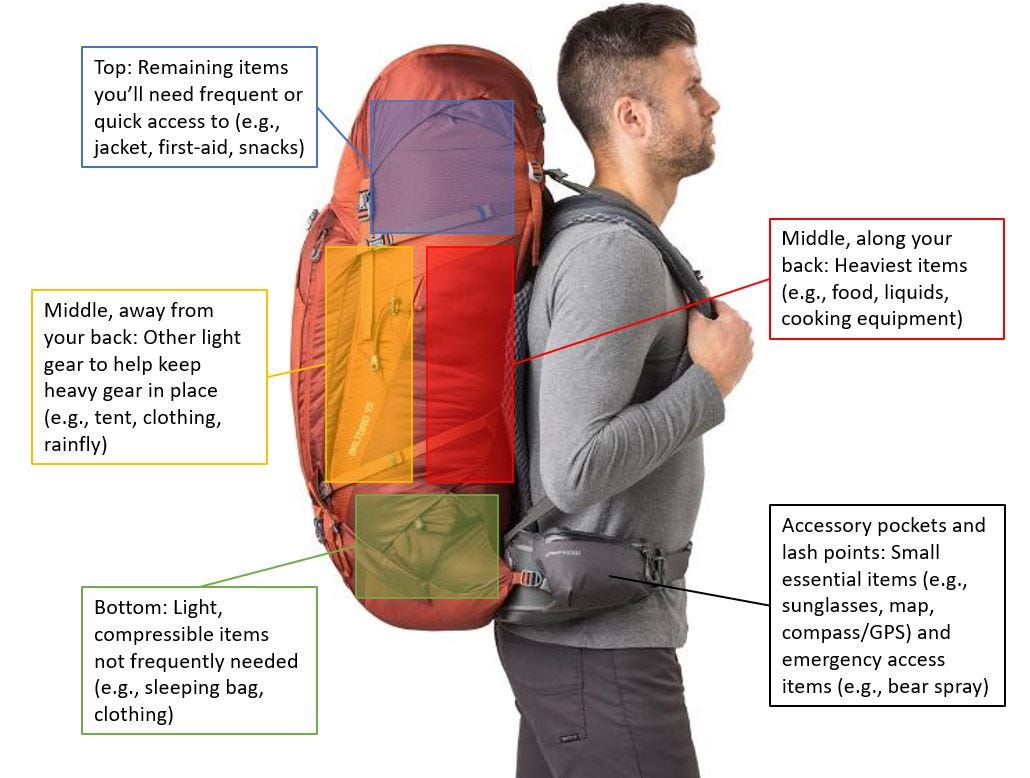
Good weight distribution makes carrying easier. Pack heavy items close to your back and center.
Use pockets and straps to keep weight balanced. This helps reduce strain and keeps you steady.
- Place heavy gear near the middle
- Keep lighter items on top or outside
- Adjust straps to fit your body well
Durability And Comfort
Pick a backpack made from strong materials. It should resist tears and bad weather.
Look for padded straps and back support. These features make long hikes more comfortable.
- Choose water-resistant fabrics
- Check for reinforced stitching
- Find padded shoulder straps and hip belts
- Look for ventilation to reduce sweat
Credit: pangolinswithpacks.com
Essential Gear To Include
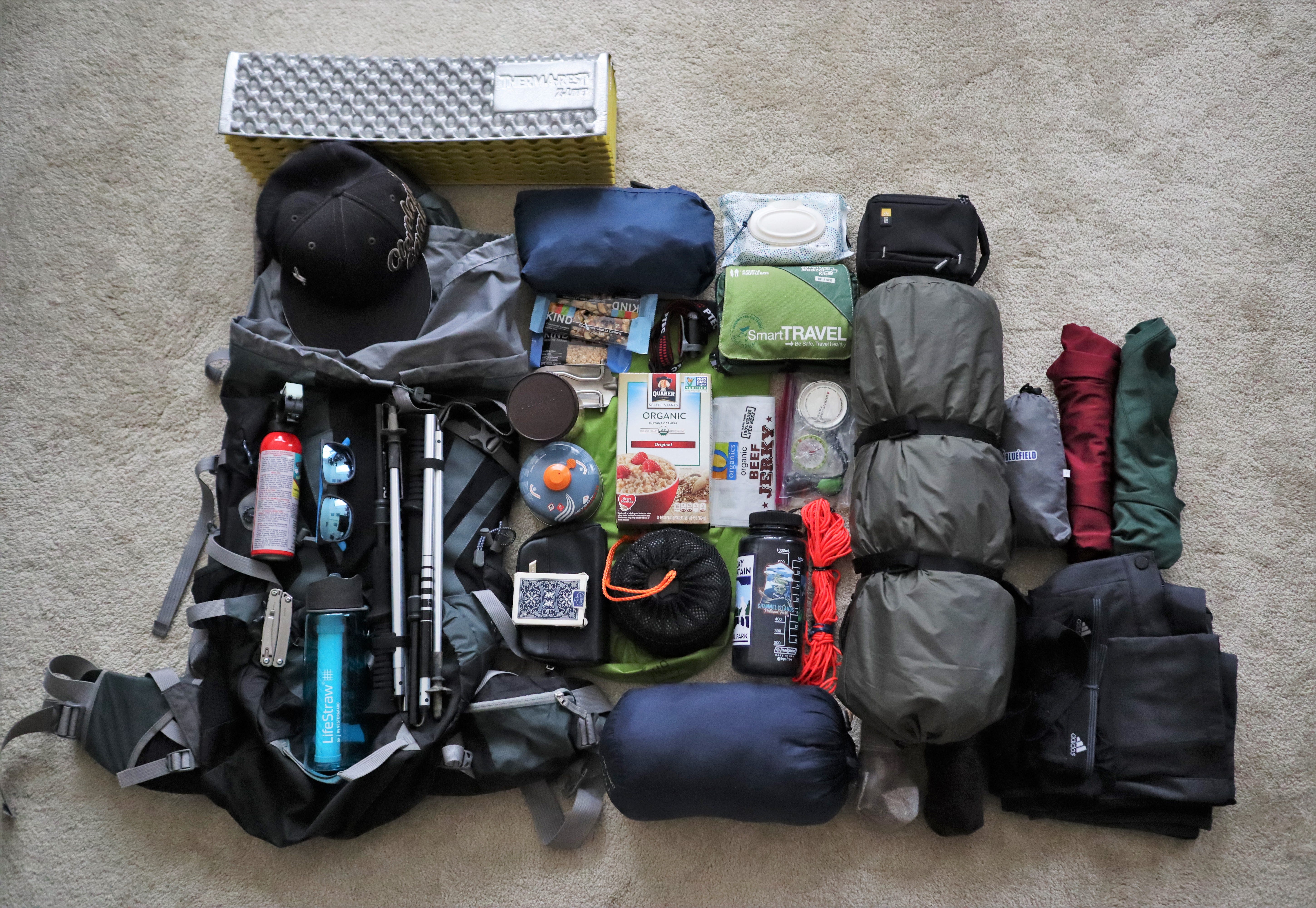
Packing a backpack for backpacking requires careful planning. You need to bring essential gear to ensure safety and comfort.
Organizing your backpack is crucial. Let’s explore what you should pack for your adventure.
Clothing And Footwear
Choose clothing that is suitable for the weather. Layering helps in adjusting to temperature changes.
Footwear is important for comfort and safety. Pack sturdy hiking boots and extra socks.
- Moisture-wicking shirts
- Convertible pants
- Warm jacket
- Sun hat
- Sturdy hiking boots
- Extra socks
Sleeping Equipment
Quality sleeping gear ensures a good night’s rest. Choose lightweight and compact items.
A sleeping bag and mat are essential. Consider weather conditions when choosing them.
- Lightweight sleeping bag
- Sleeping mat or pad
- Compact pillow
- Emergency blanket
Cooking And Food Supplies
Plan meals ahead and pack easy-to-cook food. Cooking gear should be lightweight.
Bring enough food for the trip. Include snacks for energy boosts.
- Portable stove
- Lightweight pots and pans
- Reusable utensils
- Food items like pasta, rice, and dried fruits
- Energy bars and nuts
- Water purification tablets
Packing Techniques For Balance
Packing a backpack correctly helps keep your balance while hiking. It reduces strain on your back and shoulders. Knowing how to place items inside is important.
This guide shows simple ways to pack for better weight distribution. It covers where to put heavy items, using compression bags, and making things easy to reach.
Heavy Items Placement
Put heavy items close to your back and near the middle of the pack. This keeps your center of gravity stable. Avoid placing heavy things too low or far out.
- Place heavy gear like water and food near your spine.
- Keep weight high but not above your shoulders.
- Light items go at the top and sides.
- Distribute weight evenly to avoid leaning.
Using Compression Bags
Compression bags reduce the size of bulky clothes and sleeping bags. They help save space and keep your pack tidy. This makes carrying easier and more balanced.
| Compression Bag Size | Best Use |
| Small | Socks, underwear, small clothes |
| Medium | T-shirts, pants, light jackets |
| Large | Sleeping bags, bulky sweaters |
Accessibility Tips
Keep items you use often easy to reach. This saves time and avoids unpacking the whole bag. Think about what you need on the trail and pack accordingly.
- Place snacks and water in side or front pockets.
- Keep rain gear near the top for quick access.
- Store first aid kit where you can grab it fast.
- Use small pouches for electronics and maps.
Safety And Convenience Tips
Packing a backpack for backpacking needs smart planning. Safety and convenience matter most.
Organize your items to protect them and make your trip easier.
Waterproofing Essentials
Keep your gear dry to stay safe and comfortable. Use waterproof bags or liners inside your backpack.
- Use dry bags for clothes and electronics
- Pack items in zip-lock bags for extra protection
- Cover your backpack with a rain cover during wet weather
- Seal any holes or tears in your backpack before starting
Emergency Gear
Always carry basic emergency tools. These items can save your life in tough situations.
| Item | Purpose |
| First Aid Kit | Treat minor injuries |
| Whistle | Signal for help |
| Flashlight | See in the dark |
| Multi-tool Knife | Fix gear and food prep |
| Emergency Blanket | Stay warm if stranded |
Organizing Small Items
Keep small items easy to find. Use pouches or containers to avoid losing them.
Try this setup for small items:
- Use a small pouch for toiletries
- Keep electronics cables in a separate case
- Store snacks in clear bags for quick access
- Label containers to find things fast

Credit: www.sport-conrad.com
Frequently Asked Questions
What Is The Best Way To Organize A Backpack For Backpacking?
Pack heavy items close to your back and lighter items farther away for balance.
How Do I Choose What To Pack In A Backpack?
Pack only essentials like clothes, food, water, and safety gear to save space.
How Can I Keep My Backpack Comfortable During Long Hikes?
Adjust straps well and distribute weight evenly to avoid strain and discomfort.
What Items Should I Keep Easily Accessible In My Backpack?
Keep maps, snacks, water, and rain gear in outer pockets for quick access.
How Do I Protect My Backpack Contents From Rain?
Use a rain cover or pack items in waterproof bags inside your backpack.
How Much Weight Should A Backpacking Pack Carry?
Keep your pack under 20% of your body weight for easier walking and less fatigue.
Conclusion
Packing a backpack well makes your trip easier and more fun. Keep heavy items close to your back for balance. Use compartments to organize your gear and save space. Carry only what you really need to stay light. Remember to test your pack before the trip.
A well-packed backpack helps you move faster and feel comfortable. Follow these tips to enjoy your backpacking adventure fully. Ready to explore? Your perfect backpack is waiting.