

Last Updated on June 28, 2026 by Eric B. Steele
Are you struggling to find a backpack that fits just right? Knowing how to measure your torso length is the secret to comfort and support on every adventure.
If your backpack is too big or too small, it can cause pain and make your trips less enjoyable. But don’t worry—this guide will show you exactly how to measure your torso length quickly and easily. By the end, you’ll have the confidence to choose the perfect backpack that feels like it was made just for you.
Keep reading to discover the simple steps that will change the way you carry your gear forever.
Credit: eu.gregorypacks.com
Why Torso Length Matters
Measuring your torso length is key to picking the right backpack size. A good fit helps you carry weight comfortably and safely.
If the backpack is too long or too short, it can cause pain and strain on your back and shoulders. Knowing your torso length helps you avoid these problems.
Better Weight Distribution
A backpack that fits your torso length spreads the load evenly. This balance reduces pressure points and prevents fatigue during long hikes.
- Prevents back pain
- Reduces shoulder strain
- Improves posture
- Makes carrying easier
Improved Comfort
Backpacks designed for your torso length fit snugly against your back. This fit stops the pack from moving around and causing discomfort.
Enhanced Safety
A proper fit lowers the risk of injury. It keeps your center of gravity stable, so you can walk on uneven ground without losing balance.
| Problem | Cause | Effect |
| Back Pain | Backpack too long | Pressure on lower back |
| Shoulder Pain | Backpack too short | Weight on shoulders |
| Fatigue | Poor weight distribution | Muscle strain |

Credit: www.furtherfaster.co.nz
Tools You Need
Measuring your torso length is important for a comfortable backpack fit. This guide will help you gather the right tools and get accurate measurements.
Without the right tools, you might end up with a backpack that doesn’t fit well. Here’s what you need to ensure precision.
Flexible Tape Measure
A flexible tape measure is essential for measuring your torso length. It allows you to follow the natural curve of your spine.
- Choose a tape measure that is easy to read.
- Ensure it is long enough to measure your full torso.
- Check that it is not stretched or damaged.
Mirror Or A Friend
A mirror or a friend can help you make sure your measurements are accurate. If you’re alone, a mirror is useful for checking your posture.
Notebook And Pen
It’s useful to have a notebook and pen handy. Write down your measurements to compare them later.
| Tool | Purpose |
| Flexible Tape Measure | Measure torso length |
| Mirror | Check posture and accuracy |
| Notebook and Pen | Record measurements |
Step-by-step Measuring Process
Measuring your torso length helps you find the right backpack size. It ensures comfort and better weight distribution. Follow these simple steps to measure accurately.
You will learn how to locate key body points and measure between them. Use a soft tape measure for best results.
Find The C7 Vertebra
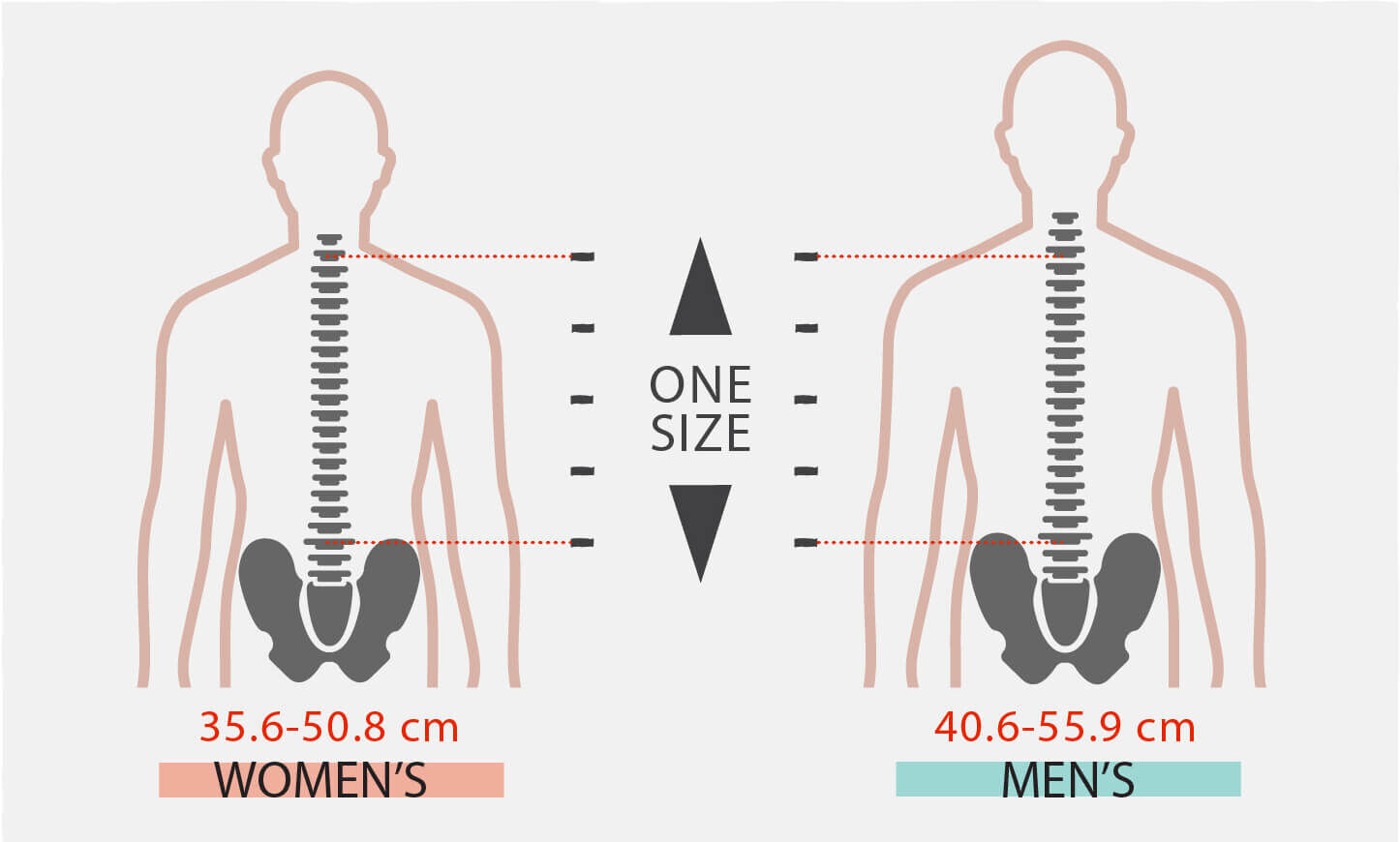
The C7 vertebra is the large bone at the base of your neck. It sticks out more than the others. You can feel it by tilting your head forward and touching the back of your neck.
Locate The Iliac Crest
The iliac crest is the top edge of your hip bones. To find it, place your hands on your waist and feel for the highest point on each side. This is where the iliac crests are located.
- Stand straight with relaxed shoulders.
- Place your hands on your hips.
- Feel for the curved top of the hip bones.
- Mark this point on both sides.
Measure Between Points
Use a tape measure to find the distance from the C7 vertebra to the iliac crest. This length is your torso measurement. Ask someone to help for better accuracy.
| Step | Action |
|---|---|
| 1 | Start at the C7 vertebra at the base of the neck. |
| 2 | Run the tape straight down the spine. |
| 3 | Stop at the top of the iliac crest on the hip. |
| 4 | Note the measurement in inches or centimeters. |
Credit: eu.gregorypacks.com
Using Your Measurement For Backpack Fit
Knowing your torso length helps you find a backpack that fits well. A good fit makes carrying easier and more comfortable.
Using your torso measurement, you can adjust straps and pick the right size backpack. This ensures better support and balance.
Adjusting Backpack Straps
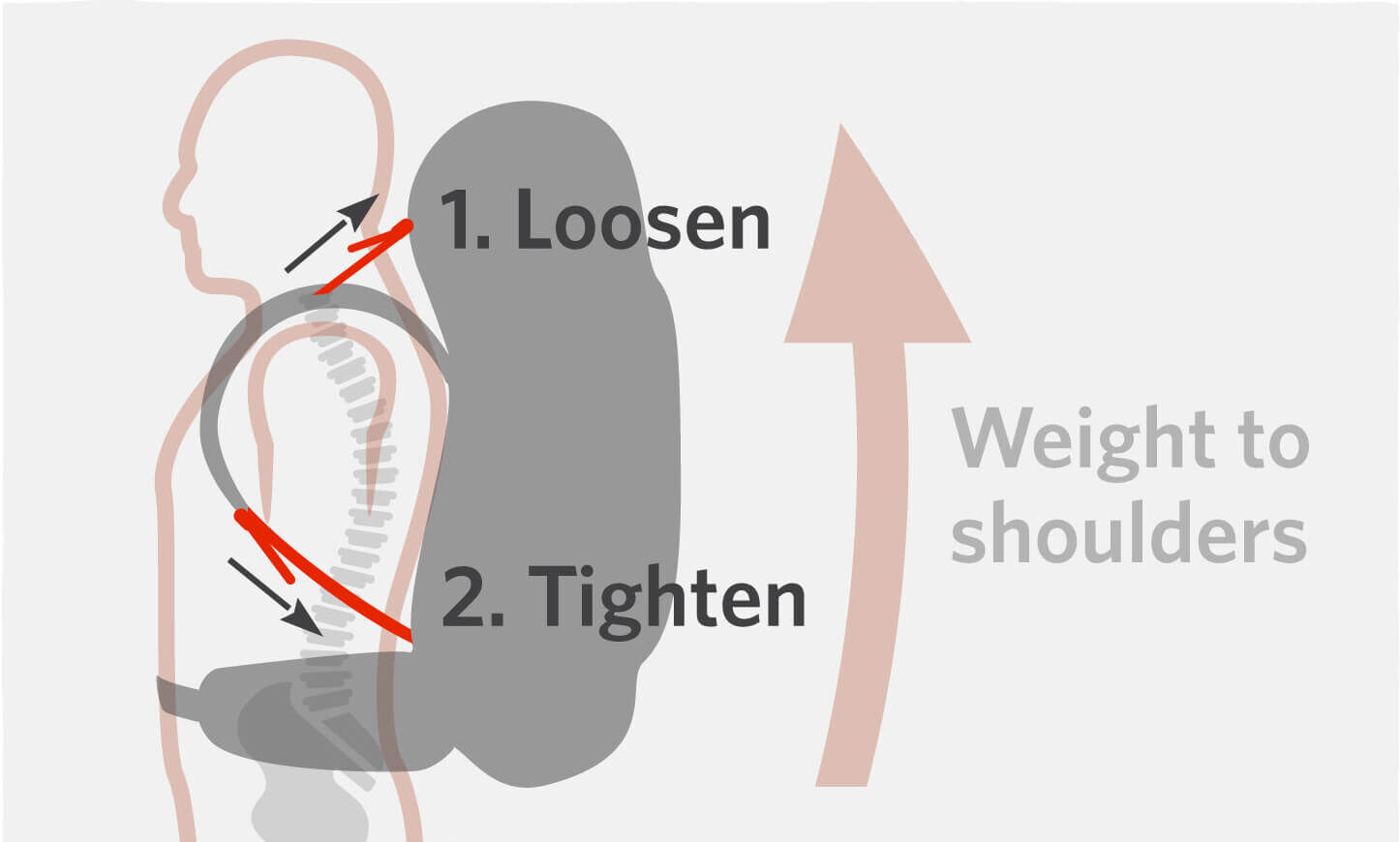
After you know your torso length, adjust the backpack straps for a snug fit. Proper strap adjustment keeps the pack close to your body.
- Start with shoulder straps to center the backpack on your back.
- Tighten the hip belt so it rests on your hips, not your waist.
- Adjust the load lifter straps to bring the pack closer to your body.
- Check the sternum strap for stability across your chest.
- Recheck all straps after walking a few steps for comfort.
Choosing The Right Backpack Size
Backpacks come in different sizes based on torso length. Use your measurement to pick the correct size for your frame.
| Torso Length (inches) | Backpack Size | Fit Description |
|---|---|---|
| 13 – 17 | Small | Best for shorter torsos |
| 17 – 19 | Medium | Fits average torso length |
| 19 – 22 | Large | Good for longer torsos |
| 22+ | Extra Large | For very tall individuals |
Frequently Asked Questions
How Do I Find My Torso Length For A Backpack?
Measure from the C7 vertebra at your neck base down to the top of your hip bones.
Why Is Torso Length Important For Backpack Fitting?
It ensures the backpack fits well, balancing weight and improving comfort during use.
Can I Measure Torso Length Alone At Home?
Yes, use a mirror and tape measure or ask a friend for help.
What Tools Do I Need To Measure Torso Length Accurately?
A flexible tape measure and a mirror or a helper for best results.
How Often Should I Measure My Torso Length For Backpacks?
Measure before buying a new backpack or if your body size changes significantly.
Does Torso Length Vary Between Men And Women?
Yes, women often have shorter torsos; accurate measurement is key for both genders.
Conclusion
Measuring your torso length helps find the right backpack size. Use a tape measure from the base of your neck to your waist. This simple step improves comfort and balance when you carry a load. A well-fitting backpack reduces back pain and strain.
Take your time to measure carefully and check twice. Choose a backpack that matches your torso length for the best fit. Enjoy your outdoor trips with less discomfort and more support. Small effort, big difference.