

Last Updated on June 28, 2026 by Eric B. Steele
Are you tired of uncomfortable backpacks that don’t fit right? The key to a perfect fit starts with knowing how to measure your torso correctly.
When your backpack matches your torso length, you’ll feel more comfortable, carry weight better, and avoid back pain. In this guide, you’ll learn simple steps to measure your torso accurately, so you can choose the right backpack every time. Keep reading to discover how a small measurement can make a big difference in your comfort and adventure.
Why Torso Measurement Matters
Knowing your torso length helps you pick the right backpack size. This makes carrying loads easier and more comfortable.
A backpack that fits well supports your back and reduces strain during long walks or hikes.
Improved Comfort
A backpack that matches your torso length fits snugly on your back. This stops the pack from shifting and causing pain.
Better Weight Distribution
Correct torso measurement lets the backpack sit properly. It spreads the weight evenly across your body.
- Prevents pressure points
- Reduces fatigue
- Improves balance
Prevents Injury
A poorly fitting backpack can strain your spine and muscles. Measuring your torso helps avoid this risk.
Ensures Proper Fit For Different Backpacks
Different backpacks have different frame sizes. Knowing your torso length helps you choose the best one for your body.
| Torso Length | Backpack Frame Size | Fit Type |
| Short (14-17 inches) | Small | Compact fit |
| Medium (17-19 inches) | Medium | Standard fit |
| Long (19-22 inches) | Large | Taller fit |
Credit: eu.gregorypacks.com
Tools Needed For Measuring
Measuring your torso is crucial for a comfortable backpack fit. You need the right tools to get accurate measurements.
Here are some essential tools you will need to measure your torso correctly.
Flexible Measuring Tape
A flexible measuring tape is ideal for measuring body parts. It helps to curve around the back and shoulders easily.
Mirror
Using a mirror can help ensure accuracy. It lets you see the tape position on your back.
Helper
Having a helper makes the process easier. They can hold the tape and read the measurement.
Notebook And Pen
A notebook and pen are useful for recording your measurements. This ensures you don’t forget the numbers.
Steps To Measure
Follow these steps to measure your torso accurately. It helps in getting the right backpack size.
- Stand straight with your feet shoulder-width apart.
- Locate the bony bump at the base of your neck.
- Find the top of your hip bones.
- Measure from the neck bump to the top of your hip bones.
- Record this measurement in your notebook.
Step-by-step Measuring Process
Measuring your torso correctly helps you find a backpack that fits well. A good fit improves comfort and support while carrying weight.
This guide shows you how to measure your torso with simple tools and clear steps. Follow each part carefully to get accurate results.
Locate Key Body Points
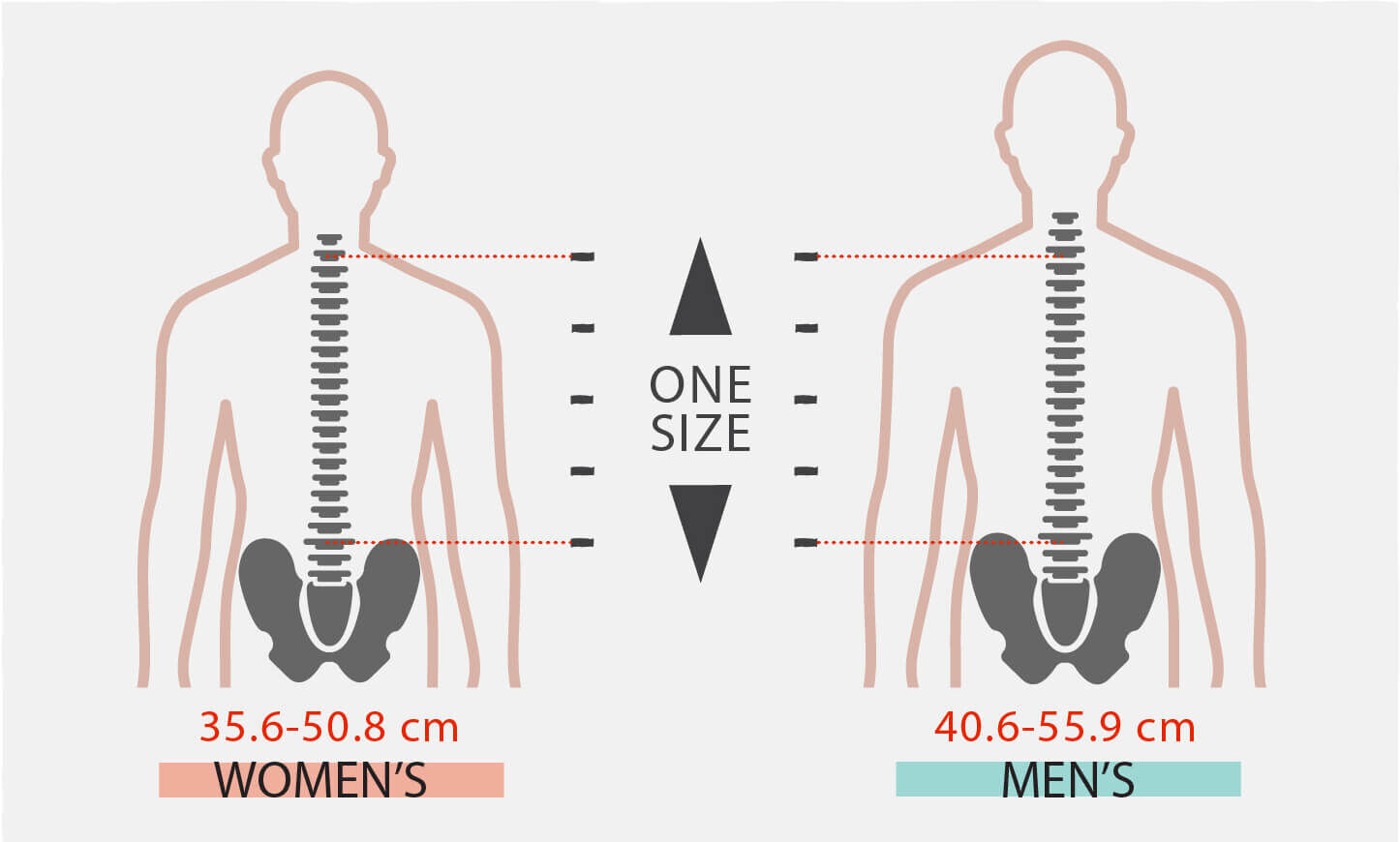
Start by finding the two main points on your back to measure torso length. These are the top and bottom points for the tape measure.
- Find the bony bump at the base of your neck. This is the seventh cervical vertebra, called C7.
- Locate the top of your hip bones. The iliac crest marks the bottom point.
- Stand straight and ask someone to help mark these points if possible.
Use A Flexible Tape Measure
Use a soft, flexible tape measure to follow your spine’s curve between the two points. This ensures a true measurement of your torso length.
| Tool | Why Use It |
|---|---|
| Flexible Tape Measure | Fits body curves for accurate torso length |
| Mirror (optional) | Helps you see the tape placement |
| Helper (optional) | Makes measuring easier and more exact |
Record Accurate Measurements
Write down the torso length clearly. Measure twice to avoid mistakes and get consistent results.
- Measure from C7 to iliac crest along the spine.
- Check the tape is snug but not tight.
- Repeat the measurement at least once.
- Use the average if measurements differ.

Credit: www.furtherfaster.co.nz
Choosing The Right Backpack Size
Picking the right backpack size helps you carry weight comfortably. A backpack that fits well supports your back and shoulders.
Measuring your torso accurately is key to choosing the best fit. This guide shows how to match your measurements and adjust straps.
Match Measurements To Backpack Specs
Measure your torso from the base of your neck to the top of your hips. Use a soft tape measure and stand straight.
| Torso Length | Backpack Size | Fit Description |
| 15–17 inches (38–43 cm) | Small | Best for short torsos and smaller frames |
| 17–19 inches (43–48 cm) | Medium | Fits average torso lengths comfortably |
| 19–22 inches (48–56 cm) | Large | Good for tall users with longer backs |
Adjusting Straps For Comfort
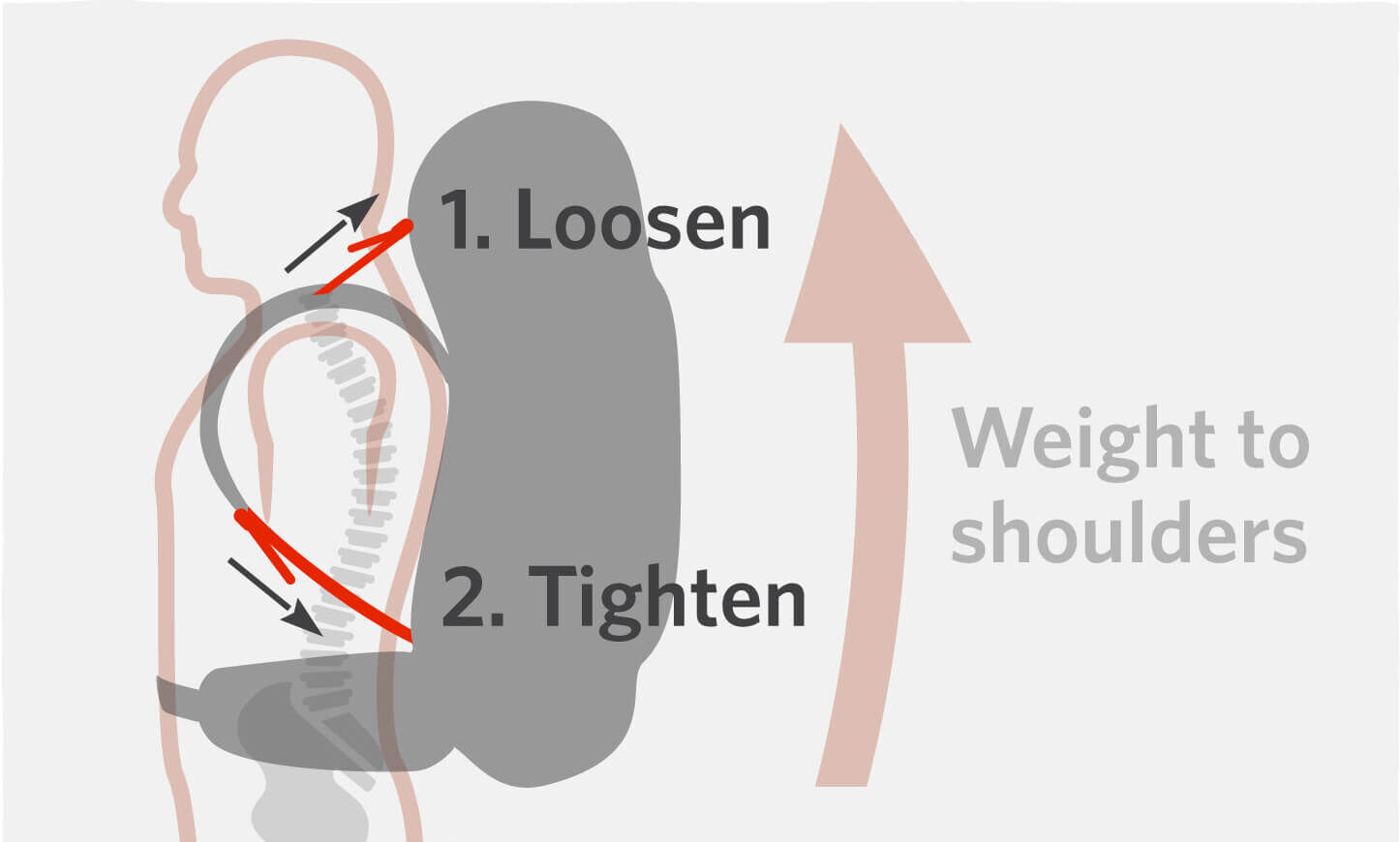
Strap adjustments help balance the load on your back. Properly adjusted straps reduce strain and improve posture.
- Tighten shoulder straps so the pack sits close to your back.
- Use the hip belt to carry most of the weight on your hips.
- Adjust the load lifters to pull the top of the pack closer to your body.
- Check that the sternum strap is snug but not tight across your chest.
Credit: eu.gregorypacks.com
Frequently Asked Questions
How Do I Measure My Torso Length For A Backpack?
Measure from the base of your neck to the top of your hip bone. Use a soft tape.
Why Is Torso Measurement Important For Backpacks?
A proper torso length ensures comfort and balance while carrying your backpack for long periods.
Can I Use A Ruler Instead Of A Tape To Measure Torso?
A soft tape is best. A ruler is hard and less accurate for body curves.
How Tight Should The Measuring Tape Be On My Torso?
Keep the tape snug but not tight. It should lie flat without squeezing your skin.
Should I Measure My Torso Standing Or Sitting?
Stand straight and relaxed for the most accurate torso measurement for your backpack.
How Often Should I Check My Torso Size For Backpacks?
Check your torso size before buying a new backpack or if your body shape changes.
Conclusion
Measuring your torso correctly helps you find the right backpack fit. A proper fit makes carrying gear easier and more comfortable. Use a tape measure and follow clear steps for accuracy. Check your measurements twice to avoid mistakes. Remember, a well-fitted backpack supports your back and shoulders.
This simple process improves your hiking or travel experience. Take your time and measure carefully before buying. Your back will thank you on every trip.