

Last Updated on June 28, 2026 by Eric B. Steele
Choosing the right backpack can make all the difference in your comfort and health. But have you ever stopped to think about how a backpack should fit your body?
If your backpack feels heavy, awkward, or causes pain, it might not be fitting correctly. Getting the perfect fit isn’t just about style or size—it’s about making sure your shoulders, back, and hips work together smoothly. You’ll discover simple tips to find a backpack that fits you just right, so every trip feels easier and more enjoyable.
Keep reading, and take the first step toward carrying your load without strain or discomfort.

Credit: alpkit.com
Choosing The Right Size
Picking a backpack that fits well makes carrying items easier. A good fit helps avoid back pain and keeps you comfortable.
Before buying, learn how to measure your body and think about the backpack size you need.
Measuring Your Torso Length
Your torso length is the key to choosing the right backpack size. It is the distance from your neck base to your lower back.
To measure, stand straight and use a tape measure. Find the bony bump at the base of your neck. Then measure down to the top of your hip bones.
- Stand straight against a wall
- Locate the bony bump at the neck base
- Measure down to the top of your hip bones
- Record the measurement in inches or centimeters
Considering Backpack Volume
Backpack volume shows how much the bag can hold. It is measured in liters and helps you pick a size for your needs.
Think about what you will carry. A small daypack holds 15 to 30 liters. Hiking backpacks can hold 40 liters or more.
- 15-30 liters for daily use or school
- 30-50 liters for short trips or hiking
- 50+ liters for longer trips or heavy gear
Adjusting For Body Shape
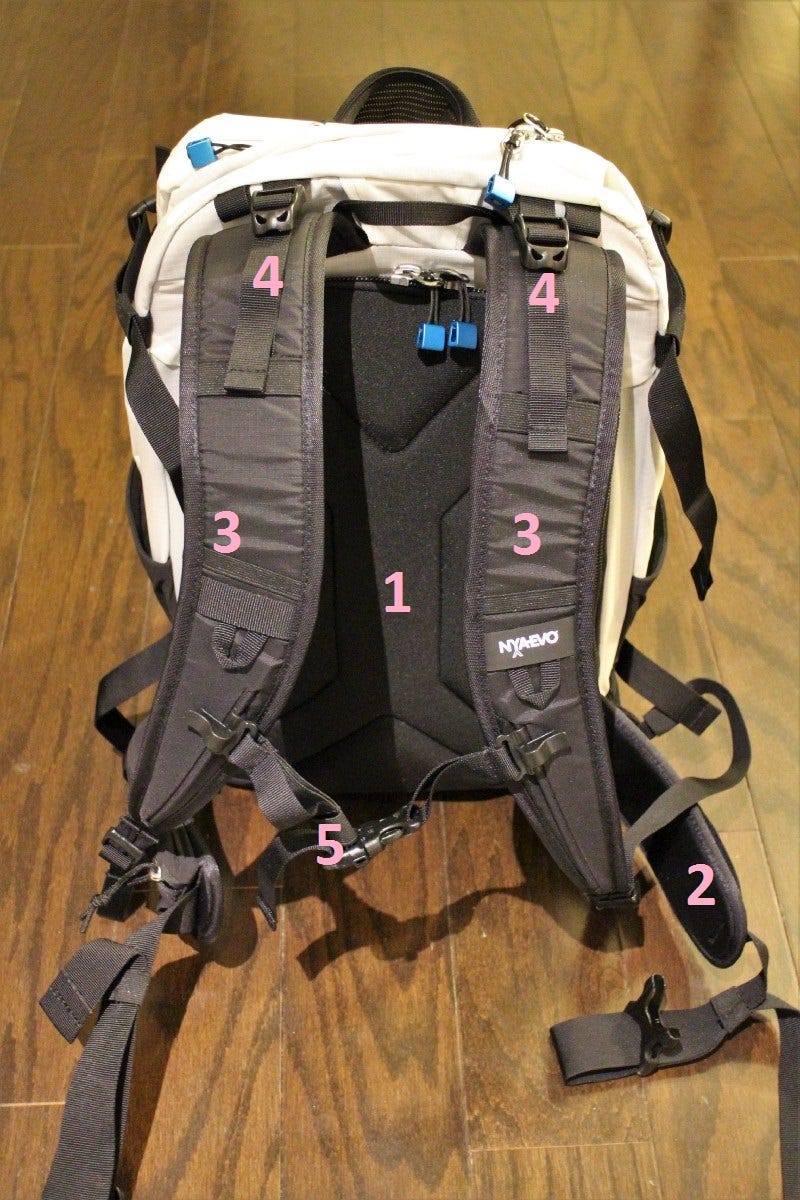
Backpacks come with adjustable straps to fit different body shapes. Adjust the shoulder straps, hip belt, and chest strap for comfort.
Make sure the hip belt rests on your hips, not your waist. The shoulder straps should hold the bag close but not squeeze your shoulders.
- Adjust shoulder straps to fit snugly
- Position hip belt on your hips
- Use chest strap to stabilize the load
- Check for even weight distribution
Strap Adjustments For Comfort
Having a well-fitted backpack is crucial for comfort. Adjusting the straps correctly can prevent back pain and ensure a pleasant journey.
Learn how to adjust the shoulder straps, use the hip belt properly, and set the load lifters for the best backpack fit.
Setting Shoulder Straps
Shoulder straps should rest comfortably on your shoulders. They should be snug but not tight.
- Position the straps so they lie flat.
- Adjust until the backpack sits close to your back.
- Ensure the straps are not pinching your shoulders.
Using The Hip Belt Correctly
The hip belt helps distribute weight evenly. It should sit on your hip bones.
| Adjustment Step | Description |
| Initial Placement | Place the belt over hip bones |
| Tightening | Secure the belt snugly |
| Final Check | Ensure no excessive movement |
Adjusting The Load Lifters
Load lifters help keep the weight close to your body. They are located at the top of the shoulder straps.
Load Distribution Tips
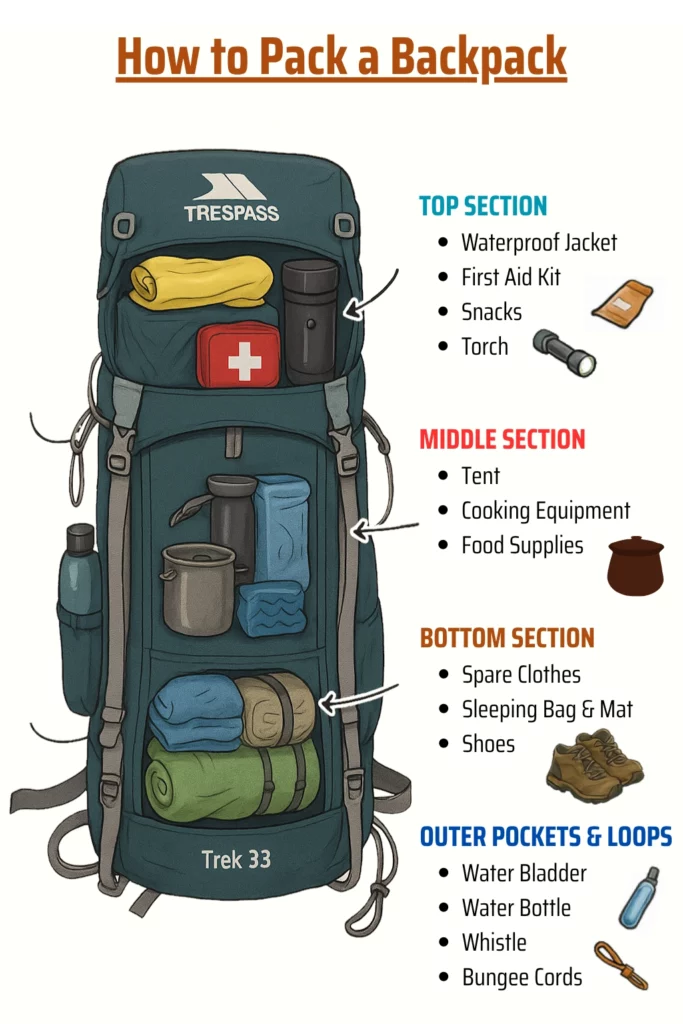
How your backpack fits depends on how the weight is spread inside. Good load distribution helps you carry heavy loads comfortably. It also prevents strain and back pain during your trip.
Use the right packing methods to balance the load. This makes your backpack feel lighter and easier to carry for longer times.
Packing Heavy Items Close To Back
Place heavy items near your back and close to the center of the pack. This keeps the weight stable and reduces pulling on your shoulders.
Put items like water bottles, food, or heavy gear in the middle section of your pack. Avoid putting heavy things at the bottom or far from your back.
Balancing Weight Evenly
Balance the weight on both sides of your backpack. Uneven load causes discomfort and can throw you off balance.
- Distribute items evenly from left to right.
- Keep medium-weight items around the heavy core.
- Use side pockets for small, light items.
- Adjust straps to keep the pack close to your body.
Avoiding Overloading
Do not overload your backpack. Carrying too much weight causes strain and affects your posture.
| Weight Limit | Recommended Range |
| Day Hikes | 10-15 pounds |
| Overnight Trips | 20-25 pounds |
| Multi-day Treks | 25-35 pounds |
Credit: pangolinswithpacks.com
Testing And Fine-tuning Fit
Getting your backpack to fit right takes time and effort. You must test it and make small changes.
Proper fit helps prevent pain and makes carrying gear easier on your body.
Walking With The Pack
Walk around with your loaded backpack to feel how it sits on your back. This helps you notice pressure points or slipping straps.
Try walking on different surfaces or slopes. This shows how the pack behaves with movement and balance.
Making Incremental Adjustments
Adjust your pack in small steps to improve comfort. Changing too much at once can cause new problems.
- Tighten or loosen shoulder straps slightly.
- Shift the hip belt for better support.
- Move load lifters to balance weight.
- Adjust the torso length if your pack allows.
- Check the sternum strap position and tension.
Signs Of A Poor Fit
| Sign | What It Means | Possible Fix |
|---|---|---|
| Sore shoulders | Straps too tight or pack too heavy | Loosen shoulder straps or lighten load |
| Lower back pain | Hip belt not supporting weight | Adjust hip belt position and tightness |
| Pack slipping | Straps too loose or wrong fit | Tighten straps and check torso length |
| Restricted breathing | Sternum strap too tight | Loosen sternum strap |
Credit: www.trespass.com
Frequently Asked Questions
How Tight Should A Backpack Fit On Your Back?
A backpack should fit snugly but not squeeze. It should sit close to your back without gaps.
Where Should The Backpack’s Hip Belt Sit?
The hip belt should rest on your hip bones, not your waist, to carry most weight.
How High Should Shoulder Straps Be Adjusted?
Shoulder straps should fit comfortably on your shoulders without digging in or slipping off.
Can A Backpack Be Too Big For You?
Yes, a too-large backpack can cause pain and balance problems. Choose one that fits your frame.
Why Is Backpack Weight Distribution Important?
Even weight helps prevent strain and keeps your posture balanced during walking or hiking.
How To Check If Backpack Fits Correctly?
Try walking with it loaded. It should feel stable, not heavy or uncomfortable anywhere.
Conclusion
A backpack should fit snugly and feel comfortable on your back. Adjust the straps to keep the weight balanced. The bottom of the pack should rest near your hips. Avoid straps that are too tight or too loose. A good fit helps prevent pain and injury.
Choose a backpack that matches your body size. Remember, comfort matters most for long trips or daily use. Fit it well, carry it right, and enjoy your journey.