

Last Updated on June 28, 2026 by Eric B. Steele
Have you ever stopped to think about how old your hairbrush really is? You use it every day, but when was the last time you replaced it?
Your hairbrush does more than just style your hair—it affects your scalp health and hair quality too. Using an old, worn-out brush could be causing damage without you even realizing it. You’ll discover exactly how often you should get a new hairbrush and why it matters for your hair’s health and shine.
Keep reading to find out how a simple change can make a big difference in your hair care routine.

Credit: www.consumerreports.org
Signs You Need A New Hairbrush
Your hairbrush helps keep your hair clean and styled. Over time, it can wear out and stop working well.
Knowing when to replace your hairbrush helps protect your hair and scalp. Here are signs that show you need a new one.
Worn Out Bristles
Bristles that are bent, broken, or missing can hurt your hair. They also do not brush hair smoothly anymore.
If your brush feels rough or pulls hair, its bristles are likely worn out. This means it is time to get a new brush.
Accumulated Dirt And Oils
Hairbrushes collect oils, dirt, dead skin, and product buildup over time. This can make your hair dirty again.
Even cleaning your brush may not remove all buildup. If your brush looks grimy or smells bad, replace it for better hygiene.
Hair Damage And Breakage
If your hair breaks or gets damaged after brushing, your brush might be the cause. Old brushes can pull and snag hair.
Switching to a new brush can help reduce hair breakage and keep your hair healthier.
Recommended Replacement Frequency
Hairbrushes are essential tools for daily grooming. But like all tools, they need replacing. Knowing when to get a new one ensures your hair remains healthy and styled.
Different types of brushes have different lifespans. Factors like usage and care also play a role in how long they last.
Daily Use Brushes
Brushes used every day experience more wear. They should be checked regularly for signs of damage or wear.
- Replace every 6 to 12 months.
- Check for missing bristles.
- Clean regularly to extend life.
Specialty Brushes
Specialty brushes are used less frequently, but they also need attention. These brushes have unique bristles and shapes.
Consider replacing specialty brushes every 12 to 18 months. Unique bristle types can wear differently, so inspect them often.
Factors Affecting Brush Lifespan
Many factors can affect how long your brush lasts. Proper care and maintenance are key.
| Factor | Impact on Lifespan |
| Frequency of use | Higher use, shorter lifespan |
| Type of bristles | Natural bristles may wear faster |
| Cleaning routine | Regular cleaning extends lifespan |
Proper Hairbrush Cleaning Tips
Keeping your hairbrush clean helps maintain healthy hair. Dirt and oils build up on brushes over time.
Regular cleaning removes debris and prevents scalp issues. Learn how to clean your hairbrush properly.
Removing Hair And Debris
Start by removing hair strands stuck in the brush. Use your fingers or a comb to pull out the hair.
- Hold the brush firmly.
- Use a comb or scissors to loosen hair.
- Pull out hair gently to avoid damage.
- Remove any visible dirt or flakes.
Deep Cleaning Methods
Deep cleaning removes oils and buildup from the brush base and bristles. Use warm water and mild soap.
Follow these steps for a thorough clean:
- Fill a bowl with warm water and add a few drops of shampoo.
- Dip the brush bristles into the water, avoiding the handle if wooden.
- Use an old toothbrush to scrub the base and bristles gently.
- Rinse the brush under running water to remove soap.
- Shake off excess water and let it dry bristle side down.
Frequency Of Cleaning
How often you clean your hairbrush depends on use and hair type. Regular cleaning keeps brushes fresh.
| Use Level | Cleaning Frequency |
| Daily Use | Once a week |
| Occasional Use | Every two weeks |
| After Styling Products | Clean immediately |

Credit: www.consumerreports.org
Choosing The Right Hairbrush
Choosing the right hairbrush is important for healthy hair. The right brush helps avoid damage and keeps hair smooth.
Your hair type and brush material affect how often you should replace your brush. Let’s look at some key points.
Brush Types And Hair Types
Different brushes suit different hair types. Using the wrong brush can cause hair breakage or scalp irritation.
- Wide-tooth combswork well for curly or thick hair to detangle gently.
- Paddle brushesare best for straight or wavy hair to smooth and style.
- Round brusheshelp add volume and curls during blow drying.
- Boar bristle brushesdistribute natural oils and add shine for fine or thin hair.
Materials And Durability
Hairbrushes come in many materials. Some last longer and cause less damage.
| Material | Durability | Hair Type Suitability |
| Plastic | Medium | Normal to thick hair |
| Wood | High | All hair types |
| Boar Bristle | High | Fine or thin hair |
| Metal | Low | Not recommended for scalp |
Maintenance For Longevity
Cleaning your hairbrush regularly keeps it working well. It also helps your brush last longer.
- Remove hair strands after each use.
- Wash with warm water and mild soap once a week.
- Let the brush dry completely before using it again.
- Replace your brush every 6 to 12 months or sooner if damaged.
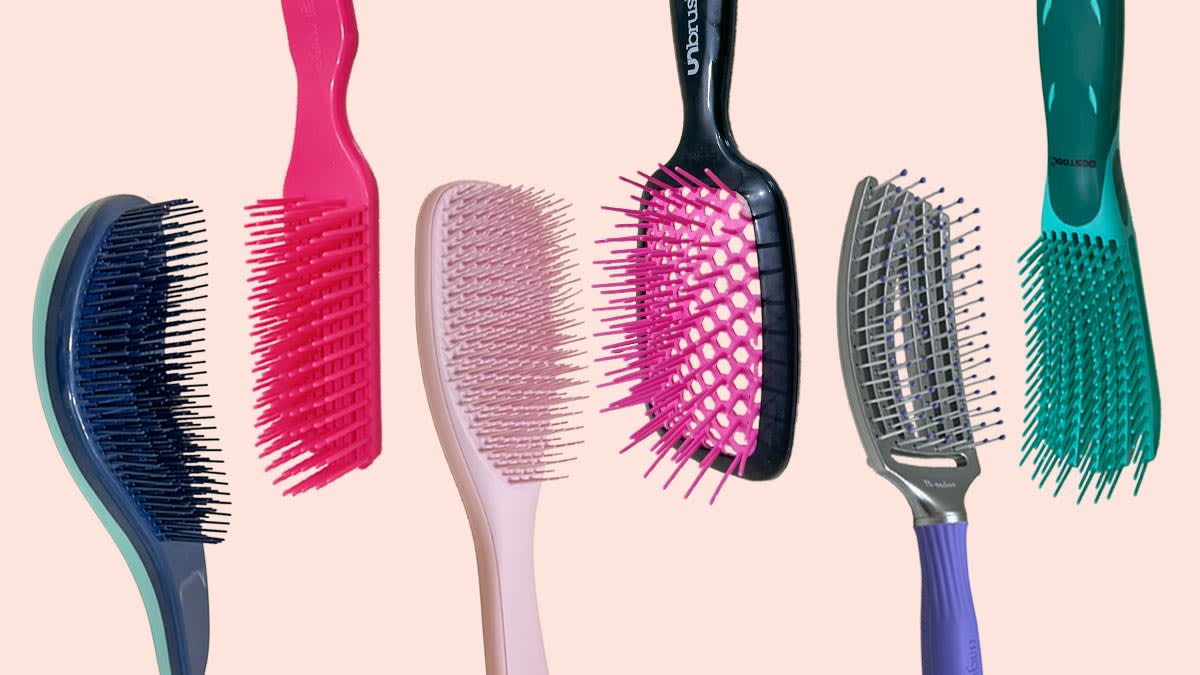
Credit: www.consumerreports.org
Frequently Asked Questions
How Often Should I Replace My Hairbrush?
Replace your hairbrush every 6 to 12 months to keep it clean and working well.
What Signs Show My Hairbrush Needs Changing?
Look for broken bristles, buildup of dirt, or a bad smell as signs to replace it.
Can Using An Old Hairbrush Harm My Hair?
Old brushes can cause hair breakage and scalp irritation due to dirt and worn bristles.
How Do I Clean My Hairbrush Properly?
Remove hair, soak in warm soapy water, then rinse and dry completely before use.
Does Hair Type Affect Hairbrush Replacement Frequency?
Yes, thicker or curly hair may need more frequent brush changes due to faster wear.
Conclusion
Replacing your hairbrush regularly keeps your hair healthy and clean. Old brushes can hold dirt and oils that harm your scalp. Aim to get a new brush every six months or when it shows wear. This simple step can prevent hair damage and improve styling results.
Taking care of your hair starts with the tools you use daily. Don’t wait until your brush looks worn out. A fresh brush means fresher hair and a happier scalp. Small changes make a big difference.