

Last Updated on July 4, 2026 by Eric B. Steele
Have you ever wondered how much your backpack really weighs? Whether you’re heading to school, work, or an outdoor adventure, knowing your backpack’s weight can make a big difference.
Too heavy, and you might feel tired or even risk injury. Too light, and you might be missing something important. You’ll discover simple ways to find out your backpack’s weight and learn why it matters for your comfort and health.
Keep reading—you’ll be surprised at what you might be carrying around every day.

Credit: www.sport-conrad.com
Average Backpack Weights
Backpacks come in many sizes and styles. Their weights vary depending on what they are used for.
Knowing the average weight helps you choose the right backpack. It also helps you pack smartly.
Typical Weights By Backpack Type
Different backpacks have different typical weights. These depend on their design and materials.
- Daypacks usually weigh between 1 and 3 pounds.
- School backpacks range from 2 to 5 pounds.
- Hiking backpacks often weigh 4 to 8 pounds empty.
- Travel backpacks can weigh 3 to 7 pounds.
- Technical backpacks for climbing may weigh 2 to 6 pounds.
Factors Affecting Backpack Weight
The weight of a backpack depends on many factors. The material and size are the most common.
Other factors include extra features and the items packed inside the backpack.
- Material: Nylon backpacks are usually lighter than leather ones.
- Size: Bigger backpacks weigh more even when empty.
- Frame type: Backpacks with metal frames weigh more.
- Extra pockets and zippers add to the weight.
- Packed items greatly increase the total weight.
Credit: pangolinswithpacks.com
Ideal Load For Different Activities
Choosing the right backpack weight is key to enjoying your activities. Carrying too much can tire you out quickly.
Let’s explore the ideal backpack weight for various activities. Each activity has unique requirements for comfort and safety.
Day Hiking And Urban Use
For day hikes and urban adventures, a lighter backpack is best. You need to move easily and stay comfortable.
- Day hikes: 10-20 pounds
- Urban use: 5-15 pounds
- Essentials: Water, snacks, and a map
Backpacking And Extended Trips
Backpacking requires more gear for longer durations. Balance is key to avoid strain.
| Trip Length | Recommended Weight |
| 1-3 days | 30-40 pounds |
| 4-7 days | 40-50 pounds |
| 7+ days | 50+ pounds |
School And Work Backpacks
For school and work, your backpack should carry essentials but remain light. Comfort is crucial for daily use.
- Books and notebooks: 10-15 pounds
- Laptop and accessories: 5-10 pounds
- Lunch and personal items: 5 pounds
Health Impacts Of Heavy Backpacks
Carrying a heavy backpack can cause health problems. Many people do not realize how weight affects their body.
It is important to understand the effects of heavy backpacks on your health. This helps prevent pain and injuries.
Effects On Posture And Spine
Heavy backpacks can change your posture. They pull your body backward and cause you to lean forward.
This poor posture puts pressure on your spine. Over time, it can cause pain and spinal problems.
- Slouching and hunching over
- Uneven shoulder height
- Muscle strain in the back and neck
- Possible spinal misalignment
Preventing Strain And Injury
To avoid injury, keep your backpack light. Choose backpacks with padded straps and back support.
Always wear both shoulder straps to spread the weight evenly. Adjust the straps to fit your body well.
- Limit backpack weight to 10-15% of your body weight
- Use waist or chest straps if available
- Pack only necessary items
- Take breaks to relieve back muscles

Credit: www.montanaknifecompany.com
Tips To Manage And Reduce Weight
Backpack weight affects your comfort and energy during trips. Managing weight helps you walk longer and feel less tired.
Use smart tips to reduce what you carry without losing important gear. Small changes make a big difference.
Choosing Lightweight Gear
Pick gear made from light materials. Avoid items that are heavy or bulky. Lightweight gear lowers your backpack weight a lot.
- Choose a lightweight tent or tarp
- Use thin, compact sleeping bags
- Select small, portable cooking tools
- Wear lightweight clothes and shoes
- Carry multi-use items to save space
Packing Strategies
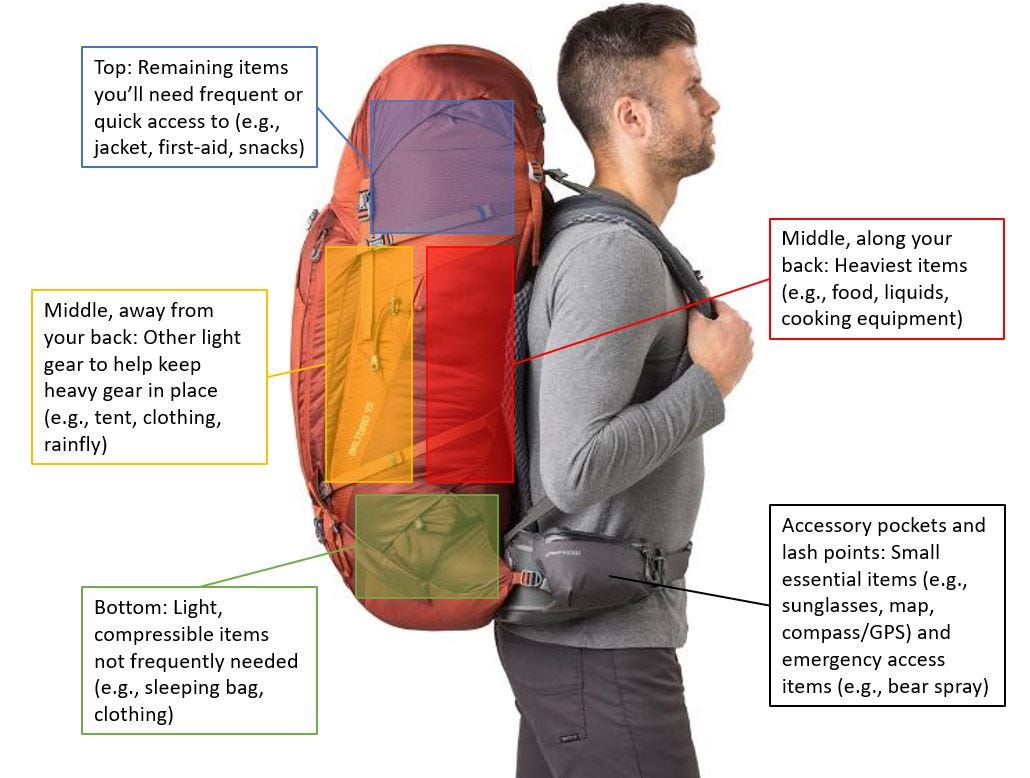
Packing well helps balance the load and reduce weight. Pack only what you need and arrange items smartly in your backpack.
| Packing Tip | Why It Helps |
| Pack heavy items close to your back | Improves balance and reduces strain |
| Use compression sacks | Saves space and keeps gear compact |
| Limit extras and duplicates | Reduces unnecessary weight |
| Organize items by use | Makes finding items faster |
| Distribute weight evenly | Prevents muscle fatigue |
Regular Weight Checks
Check your backpack weight often. Remove items you don’t need. Keep your pack as light as possible before you start hiking.
- Weigh your backpack before each trip
- List all items inside
- Remove or replace heavy items
- Weigh again after changes
- Repeat until weight feels right
Frequently Asked Questions
How Much Does An Average Empty Backpack Weigh?
An average empty backpack weighs between 1 to 3 pounds, depending on size and materials used.
What Factors Affect A Backpack’s Total Weight?
Backpack weight depends on size, material, and the items packed inside it.
How Heavy Is A Typical Hiking Backpack Fully Loaded?
A fully loaded hiking backpack usually weighs 20 to 40 pounds.
Does Backpack Weight Impact Comfort And Health?
Yes, carrying a heavy backpack can cause back pain and fatigue.
What Is The Ideal Backpack Weight For Students?
Students should carry backpacks weighing no more than 10-15% of their body weight.
How To Reduce The Weight Of A Packed Backpack?
Choose lightweight gear, pack only essentials, and distribute weight evenly inside.
Conclusion
A backpack’s weight depends on many things. It changes with what you carry inside. Lighter backpacks make travel and hiking easier. Heavy loads can cause discomfort and fatigue. Choose a backpack size that fits your needs. Always pack only the essentials to save weight.
Remember, a good backpack balances comfort and capacity. Knowing how much your backpack weighs helps you plan better. Stay prepared and enjoy your trips without extra strain.