

Last Updated on June 28, 2026 by Eric B. Steele
Have you ever worried about bringing bed bugs home after a trip? You’re not alone.
These tiny pests can hide in your luggage without you even noticing. But how long can bed bugs actually live in your suitcase? Knowing this can help you protect your home and avoid a nightmare infestation. Keep reading to discover the surprising facts about bed bugs in luggage—and learn exactly what you can do to stay safe.
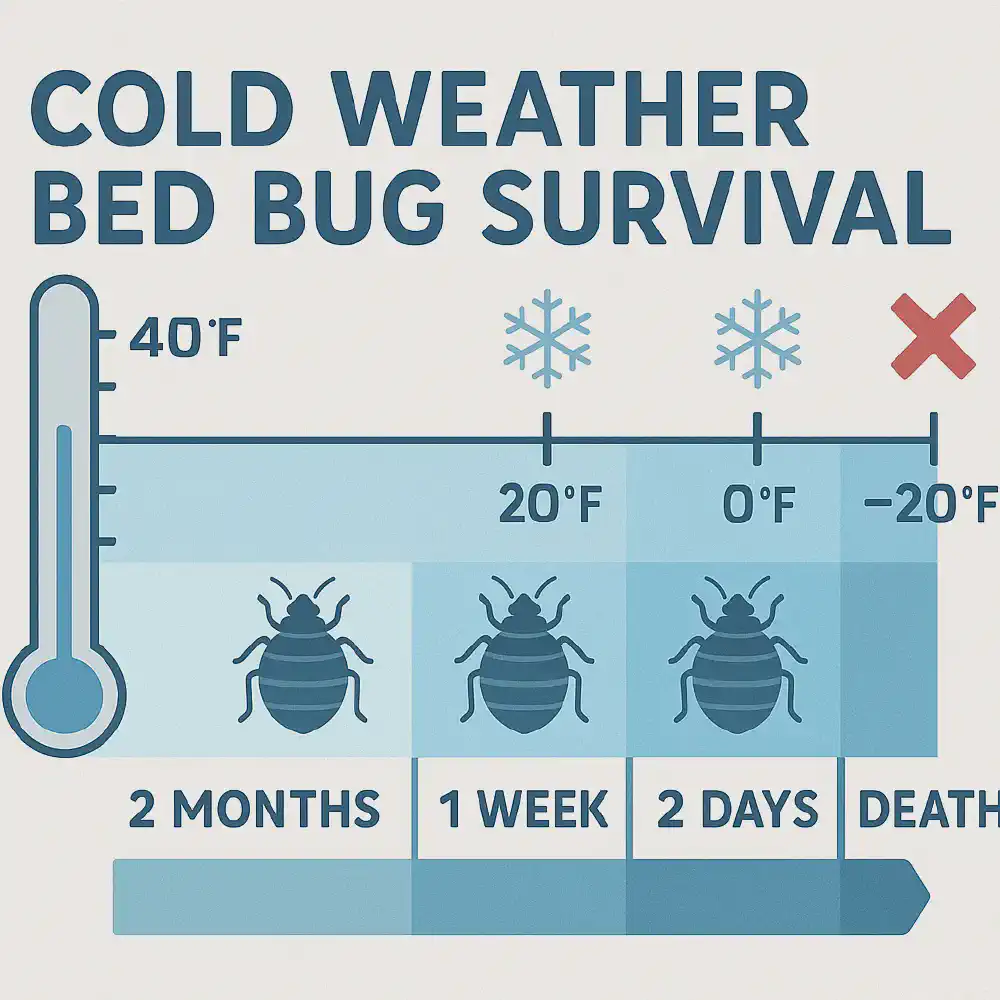
Credit: bedbugtreatmentkit.com
Bed Bug Lifespan In Luggage
Bed bugs can hide easily in luggage during travel. Knowing how long they live there helps prevent infestations.
This guide explains their survival time without a host and the factors that affect their lifespan in luggage.
Survival Time Without A Host
Bed bugs need blood to survive, but they can live for weeks without feeding. In luggage, they stay hidden and wait for a chance to feed.
- Adult bed bugs can live 2 to 6 months without a host.
- Young bed bugs (nymphs) survive for shorter periods, usually a few weeks.
- Temperature and humidity affect their survival time.
- In cooler conditions, bed bugs can live longer without feeding.
- Warm and dry environments shorten their lifespan.
Factors Influencing Longevity
Several factors change how long bed bugs live in luggage. These affect their ability to survive without a host.
| Factor | Effect on Bed Bug Lifespan |
| Temperature | Colder temps increase lifespan; heat reduces it |
| Humidity | Higher humidity helps bed bugs survive longer |
| Age of Bed Bug | Adults live longer without feeding than nymphs |
| Access to Shelter | Protected hiding spots in luggage improve survival |
| Previous Feeding | Recently fed bugs can survive longer without a new meal |

Credit: allsouthpestcontrol.com
Signs Of Bed Bugs In Luggage
Bed bugs can hide in luggage, making travel stressful. Knowing the signs helps you spot these pests early.
Look for clues in your luggage to prevent an infestation. Early detection is key to keeping your belongings safe.
Common Indicators
Bed bugs leave certain signs behind. Recognizing these indicators helps in identifying their presence.
- Small brown or red stains on fabric
- Eggshells or shed skins in corners
- Musty odor from infested areas
Inspection Tips
Inspect your luggage regularly to catch bed bugs early. Use simple tools for a thorough check.
- Use a flashlight to see in dark corners
- Check seams and folds for tiny bugs
- Examine zippers and pockets closely
Preventing Bed Bug Infestations
Bed bugs can hide in luggage and travel items. They survive for days without food. Knowing how to pack and check your bags helps stop infestations.
These pests can live up to several weeks in luggage. Cleaning and careful packing reduce the risk of bringing them home.
Packing Strategies
Pack your luggage in a way that lowers bed bug chances. Use hard-shell suitcases instead of soft bags. Bed bugs find it harder to hide in hard cases.
Keep clothes in sealed plastic bags. This stops bugs from crawling in. Avoid placing luggage on hotel beds or floors.
- Choose hard-shell luggage
- Seal clothes in plastic bags
- Use luggage racks in hotels
- Keep bags off beds and floors
Post-travel Precautions
After travel, inspect your luggage and clothes carefully. Look for small reddish or brown spots. Check seams and folds where bugs hide.
Wash all clothes in hot water and dry on high heat. Heat kills bed bugs and their eggs. Vacuum your suitcase and store it away from bedrooms.
- Check luggage seams and folds
- Wash clothes in hot water
- Dry clothes on high heat
- Vacuum suitcase inside and out
- Store luggage outside sleeping areas
Effective Bed Bug Removal Methods
Bed bugs can hide easily in luggage and survive for weeks without feeding. Removing them quickly is important to stop their spread.
There are several ways to get rid of bed bugs. Some treatments you can try at home. Others need professional help.
Diy Treatments
You can remove bed bugs from luggage using simple methods. Cleaning and heat can kill them effectively.
Start by emptying your luggage and vacuuming all seams and pockets. Use a brush to reach tight areas.
- Wash clothes in hot water above 120°F (49°C).
- Dry clothes on high heat for at least 30 minutes.
- Use a steamer on the luggage surface to kill bugs and eggs.
- Seal luggage in a plastic bag for several days to starve any bugs.
- Apply bed bug sprays designed for luggage if safe to use.
Professional Solutions
Pest control experts offer effective ways to remove bed bugs from luggage. They use specialized tools and chemicals.
Professionals can inspect your luggage and home for infestation. They apply treatments that are safe and strong.
- Heat treatments that raise temperature to kill all bugs quickly.
- Insecticide sprays and dusts made for bed bug control.
- Fumigation for severe infestations.
- Ongoing monitoring to ensure bugs are gone.
- Advice on preventing future bed bug problems.

Credit: bedbugtreatmentkit.com
Frequently Asked Questions
How Long Can Bed Bugs Survive In Luggage Without Food?
Bed bugs can live up to several months inside luggage without feeding.
Can Bed Bugs Hide In All Types Of Luggage?
Yes, bed bugs can hide in fabric, leather, and hard-shell luggage.
How Do Bed Bugs Enter Luggage During Travel?
They cling to clothes or luggage in infested places like hotels or public transport.
What Signs Show Bed Bugs Are In Your Luggage?
Look for small blood stains, dark spots, or a musty odor in your luggage.
Can Bed Bugs Survive Airplane Or Car Travel?
Yes, bed bugs can survive travel since they can stay hidden and go without food.
How To Prevent Bringing Bed Bugs Home In Your Luggage?
Inspect, vacuum, and use protective covers on luggage before and after travel.
Conclusion
Bed bugs can live in luggage for several months without food. This makes them hard to detect and remove. Always check your bags carefully after travel. Clean and treat luggage to stop bugs from spreading. Taking quick action helps protect your home from infestations.
Stay aware and keep your belongings safe. Small steps can prevent a big problem later.