
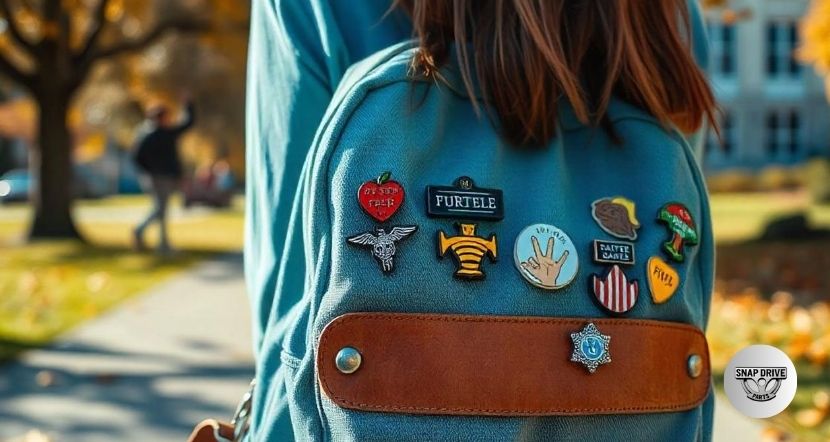
Do you love personalizing your backpack with pins but struggle to keep them in place? Losing your favorite pins can be frustrating, especially when they hold special memories or show off your unique style.
What if you could easily secure every pin so they stay put, no matter where you go? You’ll discover simple and effective ways to keep your pins safe and sound on your backpack. Ready to protect your collection and make your backpack stand out?
Let’s dive in!
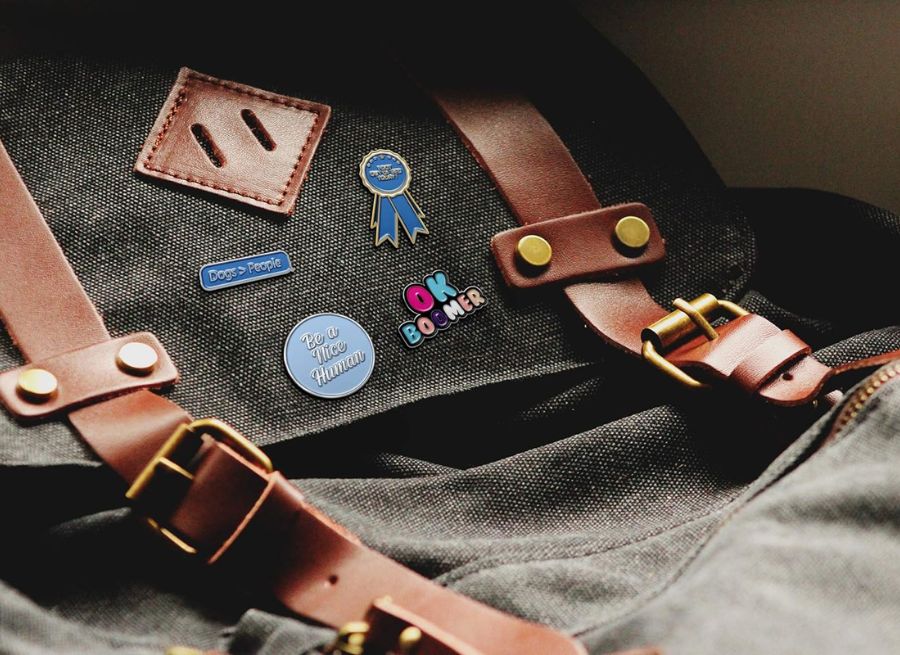
Choosing The Right Pins
Picking the right pins helps keep them secure on your backpack. You want pins that match your style and stay in place.
This guide covers important details about pin materials and sizes. It also explains different pin types for backpacks.
Material And Size Matters
Pin materials affect how well they hold and how long they last. Size impacts how easily pins stay on your backpack.
- Metal pinsare strong and durable. They hold better but can be heavy.
- Plastic pinsare lightweight but may break more easily.
- Enamel pinslook nice and often have a smooth finish.
- Larger pinscover more space but need a firm backing to stay secure.
- Smaller pinsfit in tight spots but can fall off if not fastened well.
Pin Types For Backpacks
Different pin types offer various ways to attach to your backpack. Some work better for thick fabric or straps.
| Pin Type | Description | Best Use |
| Butterfly Clutch | Metal clasp that grips pin post | Standard backpacks |
| Rubber Clutch | Soft grip, less likely to scratch fabric | Delicate materials |
| Magnetic Pins | Use magnets instead of posts | Thin fabric, no holes |
| Safety Pins | Simple pin with a clasp | Temporary or quick fixes |
| Locking Pins | Secure locking mechanism | Active use and travel |
Placement Tips For Security
Keeping pins secure on a backpack is important. It’s best to place them in spots where they are less likely to fall off.
Consider both the strength of the fabric and the potential for the pin to snag on something.
Best Spots On Your Backpack
Choosing the right spot can make a big difference. Some areas are better than others for holding pins securely.
- Straps: They are thick and sturdy.
- Front pockets: Easy to access and see.
- Top flap: High visibility, less contact.
Avoiding Weak Areas
There are areas on a backpack where pins might not stay put. Avoid these spots to keep your pins safe.
Avoid the bottom of the backpack. It often brushes against surfaces.
| Area | Reason to Avoid |
| Bottom | High contact with surfaces |
| Thin fabric | Less support for pins |
| Side pockets | Can get caught easily |
Fastening Techniques
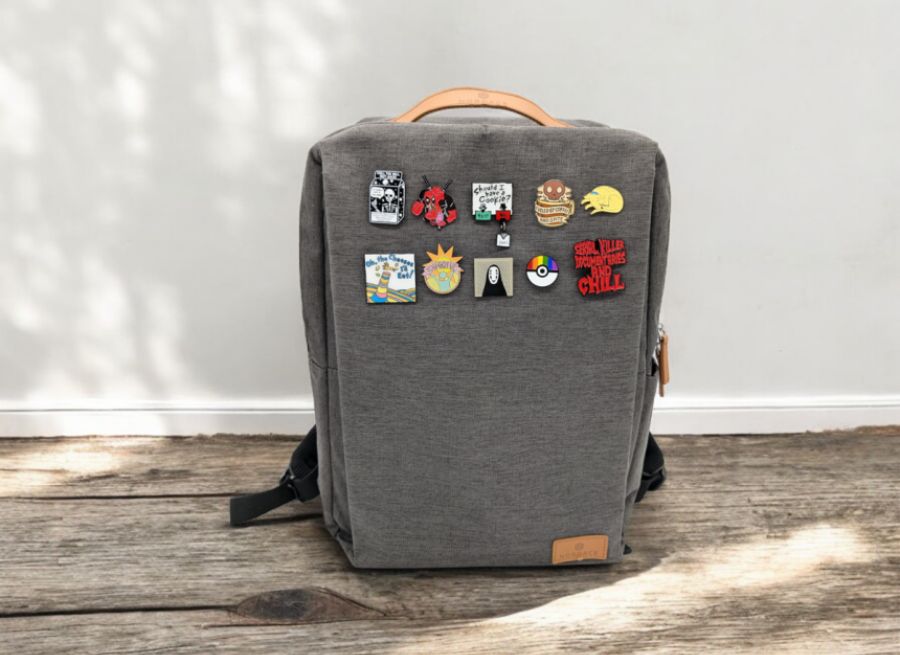
Keeping pins secure on your backpack helps prevent loss or damage. Choosing the right fastening technique is key for durability.
This guide explains two common methods to fasten pins firmly and safely on your backpack.
Using Backing Clutches
Backing clutches are small pieces that attach behind the pin to hold it tight. They stop pins from falling off during movement.
- Push the pin through the backpack fabric.
- Place the backing clutch on the pin’s sharp end.
- Press the clutch firmly to lock it in place.
- Check that the pin does not wiggle or slide.
Double Pin Method
The double pin method uses two pins close together for extra support. This reduces pin movement and keeps them secure.
| Step | Action |
| 1 | Attach the first pin to the backpack fabric. |
| 2 | Place the second pin about half an inch apart. |
| 3 | Secure both pins with backing clutches. |
| 4 | Ensure both pins are tight and stable. |
Maintenance And Care
Keeping pins on your backpack in good shape helps them last longer. Regular care stops damage and keeps pins looking nice.
Simple maintenance steps can protect your pins and backpack from wear. Learn how to check and handle your pins carefully.
Regular Checks
Look at your pins often to find any loose parts or rust. Tighten pins that feel shaky to avoid losing them.
- Inspect pin backs and clasps for damage
- Check for signs of rust or discoloration
- Make sure pins are firmly attached to the backpack
- Clean pins gently with a soft cloth
Handling Wear And Tear
Wear and tear can harm pins and your backpack fabric. Handle pins with care to reduce scratches and bending.
| Problem | Cause | Care Tip |
| Loose pins | Frequent use or rough handling | Retighten clasps regularly |
| Rust spots | Moisture exposure | Keep pins dry and clean |
| Fabric tears | Sharp pin edges | Use pin backs or covers |
| Scratches on pins | Contact with hard surfaces | Store pins safely when not in use |
Frequently Asked Questions
How Can I Attach Pins Securely On My Backpack?
Use the backpack’s fabric loops or seams to push the pin through firmly for a tight hold.
What Type Of Pins Work Best On Backpacks?
Metal pins with a strong clasp are ideal as they hold better on thick backpack material.
Can I Prevent Pins From Falling Off During Travel?
Yes, check pins regularly and tighten clasps to avoid losing them on the go.
Where Is The Best Spot To Place Pins On A Backpack?
Place pins on sturdy areas like straps or thick fabric sections for extra support.
How Do I Remove Pins Without Damaging My Backpack?
Gently open the pin clasp and pull it straight out to avoid ripping the fabric.
Are Magnetic Pins Safe For Backpacks?
Magnetic pins may fall off easily; traditional metal pins with clasps work better for backpacks.
Conclusion
Keeping pins on your backpack is simple with the right care. Choose sturdy pins that fit your bag’s fabric well. Attach them firmly to avoid losing any while moving. Check your pins regularly to make sure they stay in place.
Small adjustments can prevent damage to both pins and backpack. Enjoy personalizing your bag safely and confidently. Your pins can show your style without worry. Easy steps make a big difference. Keep your backpack looking great every day.